The Convergence of Spectacle and Traditional Formats
The digital entertainment sphere is currently experiencing a significant transformation in how classic experiences are presented to contemporary audiences. Where digital platforms once relied on minimalist, purely functional user interfaces, today’s environment demands high production values that mirror television broadcasts and cinematic productions. This transition is particularly evident in how traditional table entertainment has been reimagined through the lens of popular culture, gaming aesthetics, and advanced streaming technology.
Audiences no longer seek isolated, static interactions. Instead, the preference has tilted toward immersive environments that tell a story, utilize striking visual palettes, and foster a sense of shared participation. By borrowing design philosophies from video games, comic books, and fantasy cinema, content creators have managed to breathe new life into classic formats, making them relevant to a generation raised on high-definition, interactive media.
Visual Design and Mythological Imagery in Pop Culture
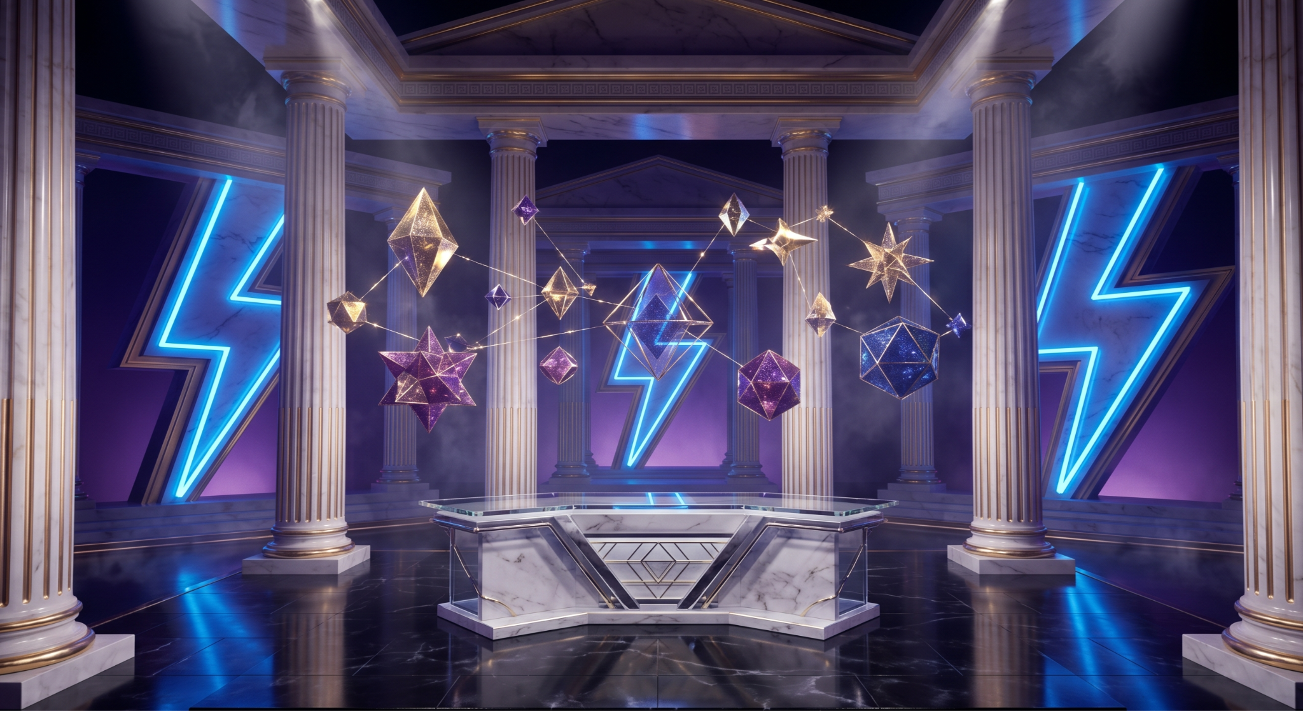
Ancient pantheons have remained a staple of popular culture for decades, influencing everything from high-fashion collections to summer blockbusters. The grandeur of Greek mythology, with its dramatic iconography of lightning bolts, marble columns, and golden accents, provides an immediate and powerful visual shorthand. When applied to digital broadcasting studios, these motifs create a theatrical atmosphere that elevates the entire viewer experience.
The choice of color psychology plays a critical role in setting this tone. Deep purples, rich blues, and shimmering golds are frequently employed to evoke a sense of prestige and drama. The physical set design of these streaming studios often features a blend of classical architecture and futuristic neon lighting, creating a unique retro-futuristic aesthetic that appeals directly to design-conscious viewers. This careful curation of visual elements ensures that the broadcast feels less like a standard utility and more like an entertainment event.
Moreover, the integration of dynamic visual effects enhances the narrative pacing of the stream. Real-time rendering technology allows for environmental changes based on events within the broadcast. For example, a sudden shift in the studio’s lighting from a calm blue to a vibrant amber can signal a transition in the operational phase, building anticipation and maintaining high engagement levels without relying on artificial prompts.
Structural Elements of Interactive Broadcasts
To grasp how these themed formats function, it is useful to examine the underlying structural variations that differentiate them from conventional studio setups. Traditional table presentations rely almost entirely on the physical elements before the camera—a wheel, a deck of cards, or a felt layout. In contrast, thematic hybrid variations introduce layers of digital augmentation that alter both the visual presentation and the internal pacing of the activity.
When examining specific titles within this space, such as Gates of Olympus Roulette live, the fusion of physical studio equipment with digital random number generators becomes highly apparent. In this specific format, the classic European layout is maintained, but the entertainment value is augmented by randomized multiplier multipliers that are visually projected onto the studio backdrop using augmented reality. This blending of physical reality and digital graphics represents the current pinnacle of interactive broadcast design.
The following table outlines the key distinctions between standard digital presentations and enhanced thematic streaming formats:
| Structural Element | Standard Presentation | Enhanced Thematic Formats |
| Studio Aesthetic | Minimalist, traditional casino styling | Immersive, narrative-driven set design |
| Visual Effects | Static multi-camera angles | Dynamic augmented reality overlays |
| Pacing Control | Fixed intervals, uniform rhythm | Variable intensity driven by thematic events |
| Audience Interface | Functional betting grid | Integrated social features and custom UI |
| Core Value Driver | Simplicity and replication of reality | Spectacle, audio-visual feedback, and theme |
By shifting the focus from mere replication to active enhancement, creators of these formats ensure that the broadcast retains a broad appeal, capturing the attention of individuals who appreciate design, technology, and pop-culture trends.
The Presenter as a Show Host
One of the most critical components of the contemporary streaming ecosystem is the human element. The role of the individual behind the table has shifted from a traditional dealer to an authentic show host or master of ceremonies. These presenters are tasked with maintaining the energy of the broadcast, interacting with live chat feeds, and navigating the complex digital overlays seamlessly.
The styling of these hosts is carefully aligned with the overarching theme of the studio. Rather than standard formal attire, outfits often feature stylized elements that hint at the narrative theme—whether through custom jewelry, unique color coordination, or tailored garments that complement the theatrical lighting. This level of attention to costume design further blurs the line between traditional gaming and mainstream entertainment broadcasting.
Communication and Community Building
The interaction model utilized by these hosts relies heavily on real-time feedback loops. By addressing viewers directly via usernames and responding to comments in the chat, the host transforms a passive viewing experience into a two-way conversation. This dynamic creates a distinct subculture around specific streams, where regular viewers return as much for the social environment and the host’s personality as they do for the core activity itself.
- Real-time adaptation: Hosts must adjust their commentary style to match the current energy of the studio and the statistical outcomes of the digital elements.
- Theatrical delivery: Voice modulation, physical gestures, and timing are utilized to emphasize key moments during the broadcast.
- Boundary management: Professional presenters maintain a welcoming atmosphere while ensuring the conversation remains constructive and aligned with the platform’s community standards.
Audience Psychology and the Appeal of Shared Spaces
The popularity of these themed digital spaces can be attributed to broader shifts in consumer psychology. The contemporary audience values shared experiences and digital spaces that offer a sense of belonging. Watching a beautifully produced live stream provides a form of passive entertainment akin to watching a reality television show or a live esports tournament.
The inclusion of visible metrics, such as live winner feeds or community chat windows, reinforces the collective nature of the event. Viewers are aware that hundreds or thousands of others are witnessing the exact same digital events simultaneously, creating a form of digital synchronized viewing. This collective validation enhances the perceived value of the entertainment, making it a recognized facet of current digital lifestyle trends.
Furthermore, the technological sophistication behind these streams appeals directly to tech-savvy demographics. The seamless integration of low-latency video feeds, complex graphics engines, and responsive user interfaces creates a polished product that aligns with the high standards expected by users of modern streaming platforms like Twitch or YouTube Live.
Conclusion: The Horizon of Interactive Media
The ongoing development of thematic live streams suggests that the boundaries between gaming, television, and social media will continue to dissolve. As production companies invest heavier resources into set design, augmented reality, and talent acquisition, the quality of these broadcasts will likely achieve parity with mainstream media properties.
The integration of specific popular intellectual properties and recognizable aesthetic themes remains a powerful strategy for attracting diverse audiences. By focusing on high production values, engaging narratives, and community-centric features, the creators of these digital environments have successfully repositioned a traditional pastime into a vibrant, highly visual component of the current entertainment sphere.