Introduction
A useful necklace should do more than look beautiful in one setting. The strongest pieces move easily between different parts of life, from relaxed daytime outfits to polished workwear and formal evening looks. This is why versatile necklace styles are often the most valuable pieces in a jewelry wardrobe. They save effort, reduce styling confusion, and give the wearer more ways to enjoy the same investment.
A necklace that works across casual and formal looks usually has balance. It should have enough presence to feel intentional, but not so much drama that it becomes difficult to wear. Design simplicity, quality materials, and thoughtful proportions all matter. The goal is not to own a necklace for every possible outfit. It is to choose pieces that can adapt gracefully, like tiny diplomats of sparkle moving between denim, silk, tailoring, and eveningwear.
Start With Clean, Balanced Designs
Necklaces that transition well usually begin with clean design. A simple diamond pendant, fine chain, tennis chain, station necklace, or slim gold necklace can work with many outfits because it does not depend on one narrow trend. These pieces can sit quietly with casual clothing or add refinement to more formal styling. Their strength comes from proportion rather than excess.
A highly detailed necklace may still be beautiful, but it can be harder to style often. Large statement pieces usually need the right neckline, event, and outfit mood. A balanced necklace offers more freedom. It can be worn with a white shirt, black dress, cashmere sweater, blazer, evening gown, or simple T-shirt without feeling misplaced. That kind of adaptability is what separates a wardrobe foundation from a once-a-year accessory.
Diamond Pendants Offer Quiet Flexibility
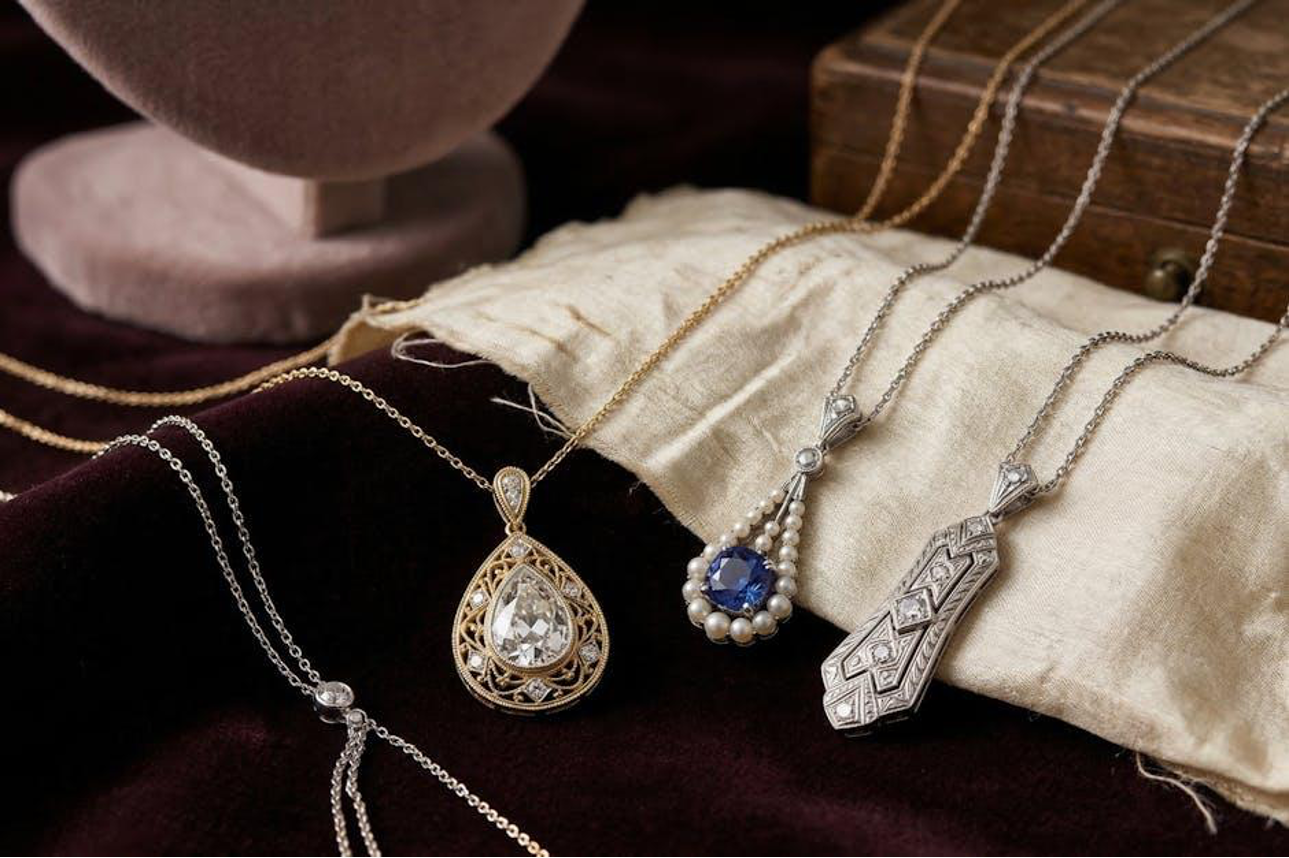
A diamond pendant is one of the easiest necklace styles to wear across casual and formal settings. Its simplicity allows the diamond to remain the focus without overwhelming the neckline. A small pendant can add polish to everyday clothing, while a larger or more refined design can feel appropriate for dinners, celebrations, and formal events.
The chain length also affects versatility. A pendant that sits near the collarbone can work with open shirts, dresses, and knitwear. Longer pendant styles may feel more relaxed and layered. The best choice depends on the wearer’s wardrobe and neckline preferences. A pendant becomes more useful when it fits the clothes someone actually wears, not an imaginary closet with perfect lighting and obedient collars.
Station Necklaces Create Subtle Sparkle
A diamond station necklace can be another versatile option. Instead of focusing on one center stone, it places smaller stones along a chain, creating a lighter rhythm of sparkle. This makes the piece easy to wear during the day while still refined enough for evening occasions. It can feel elegant without becoming too formal.
Station necklaces work especially well for people who prefer understated jewelry. They can be layered with shorter chains, worn alone with a simple neckline, or paired with diamond studs for a polished set. Because the sparkle is distributed, the necklace feels relaxed and graceful rather than demanding full attention.
Which Diamond Necklace Styles Offer the Greatest Versatility?
Jewelry buyers often prioritize versatility because the most frequently worn pieces tend to work across multiple settings rather than serving a single purpose. A necklace that complements professional attire, casual outfits, and formal occasions provides greater long-term value than one limited to specific events. Design simplicity, balanced proportions, and consistent visual appeal all contribute to this flexibility. As consumers evaluate different diamond necklace categories, they frequently look for styles that combine luxury with everyday practicality. Shoppers interested in necklaces that deliver both elegance and adaptability often explore tennis chains because the design is widely recognized for its ability to transition smoothly between different wardrobes and occasions.
This versatility comes from a combination of visual refinement and styling flexibility. A continuous arrangement of stones creates a polished appearance, while a streamlined structure allows the necklace to function effectively as either a standalone statement piece or part of a layered jewelry look. These characteristics help the necklace remain relevant despite changing fashion trends and evolving personal preferences. Adaptability also increases wear frequency because owners can integrate the same piece into a variety of style choices without significant adjustments. Understanding why certain necklace designs perform well across multiple settings helps consumers evaluate jewelry using practical ownership criteria rather than appearance alone. When buyers focus on versatility, craftsmanship, and long-term wearability, they are more likely to select pieces that continue to deliver satisfaction and style value over time.
Tennis Chains Balance Luxury and Wearability
A tennis chain carries more presence than a small pendant, but it can still be surprisingly adaptable when chosen carefully. Its continuous line of stones creates a refined look that can dress up casual clothing and complete formal outfits. A slimmer tennis chain can feel polished with a blouse or knit top, while a more substantial version can stand confidently with eveningwear.
The key is proportion. A necklace that is too heavy or too wide may become limited to special occasions, while a balanced tennis chain can work across more settings. Metal tone, stone size, length, and clasp quality all influence how often the piece will be worn. When the design is elegant rather than excessive, the necklace becomes a flexible foundation instead of a single-purpose statement.
Layering Makes Necklaces More Adaptable
Layering is one of the easiest ways to move a necklace between casual and formal looks. A simple chain worn alone may feel minimal during the day, but when paired with a pendant, station necklace, or tennis chain, it can become more styled for evening. Layering gives the wearer control over how much visual emphasis the jewelry creates.
Good layering depends on spacing and contrast. Necklaces should sit at different lengths so they do not tangle or compete. A fine chain can pair with a diamond pendant, while a tennis chain may work best as the strongest piece in the arrangement. The goal is to create rhythm rather than clutter. A necklace stack should feel composed, not like the jewelry box sneezed.
Use Online Research to Compare Necklace Quality
Buying versatile jewelry also requires understanding quality. A necklace that will be worn often needs secure construction, smooth finishing, reliable clasps, and durable materials. Online research can help shoppers compare options, but buyers should focus on practical details rather than surface beauty alone. Length, stone setting, chain flexibility, and maintenance requirements all affect the ownership experience.
Resources about sophisticated diamond shopping platforms show how technology has changed the way buyers compare diamonds and jewelry. The same principle applies when choosing necklaces for different looks. A polished website or attractive image may help with discovery, but the final decision should still consider craftsmanship, fit, documentation, and long-term wearability.
Dedicated Brand Section: Why Expert Necklace Guidance Matters
A professional jewelry experience can help buyers choose necklaces that match both style goals and practical needs. Many shoppers know they want a diamond necklace, but they may not know whether a pendant, tennis chain, station necklace, or layered set will provide the best value for their wardrobe. Expert guidance helps connect design details with real-world wear.
This matters because versatile jewelry should be evaluated differently from occasion-only jewelry. A necklace intended for frequent wear needs comfort, durability, balanced proportions, and easy styling potential. A knowledgeable specialist can explain how length, stone size, metal choice, clasp strength, and setting style affect whether the piece will work across casual and formal outfits. Better guidance often leads to better use.
Let Rare Stones Inspire, Not Limit, the Choice
Rare stones and extraordinary diamond discoveries often capture attention because they show the dramatic side of the jewelry world. A rare blue diamond, for example, may inspire fascination because of its color, scarcity, and geological story. These stones remind buyers that jewelry can hold scientific, historical, and emotional interest as well as visual beauty.
Reports about a rare blue diamond found in a South African mine show how exceptional diamonds can shape public imagination. Still, everyday versatility usually comes from design balance rather than rarity alone. A necklace does not need to contain an extraordinary stone to become valuable in daily life. It needs to be well made, wearable, and aligned with the owner’s style.
Match the Necklace to Necklines and Occasions
Neckline compatibility strongly affects how often a necklace can be worn. Shorter chains and tennis chains often work well with crew necks, open collars, strapless dresses, and eveningwear. Pendants pair naturally with V-necks and scoop necks. Longer chains can add shape to simple tops, sweaters, and dresses. A versatile necklace should work with several neckline types rather than only one.
Occasion also matters. A necklace for work may need to feel refined but not distracting. A necklace for casual wear should feel easy and comfortable. A necklace for formal events should have enough presence to support elevated clothing. Pieces that can move between these categories are the ones that earn their place in a long-term jewelry wardrobe.
Conclusion
Necklace styles that work across casual and formal looks usually share the same qualities: balanced design, quality craftsmanship, comfortable proportions, and styling flexibility. Diamond pendants, station necklaces, refined chains, and tennis chains can all become versatile wardrobe pieces when chosen with care.
The best necklace is not always the most dramatic one. It is the piece that can be worn often, styled easily, and trusted to elevate different outfits without feeling out of place. When buyers focus on versatility and long-term wearability, a necklace becomes more than an accessory. It becomes a reliable finishing touch for many versions of personal style.