Introduction
Many people use the terms hydration and moisture interchangeably, but understanding the difference is essential for effective skincare. Hydration refers to the water content in the skin that helps maintain softness, flexibility, and comfort. Moisture retention, on the other hand, is the skin’s ability to keep that water from evaporating too quickly. Both are critical for maintaining a healthy, resilient skin barrier, and neglecting either can lead to dryness, sensitivity, or discomfort throughout the day.
A balanced skincare routine recognizes that hydration alone is not enough. Even if water-rich serums or mists temporarily plump the skin, their benefits are short-lived if the barrier cannot hold the moisture in. Incorporating products that actively support moisture retention ensures that the skin feels smooth, comfortable, and less prone to recurring tightness or irritation. This approach lays the groundwork for more effective results from other skincare steps, creating a healthier overall complexion.
Understanding Hydration
Hydration is essentially the process of adding water to the skin. Ingredients like hyaluronic acid, glycerin, aloe vera, and panthenol attract water molecules and help skin cells stay plump. Hydrating products are often lightweight, fast-absorbing, and soothing, making them ideal for layering under creams or oils. However, hydration alone cannot prevent water loss; without a proper barrier or moisture-retaining product, the water may evaporate quickly, leaving skin tight again.
Signs Your Skin Needs More Hydration
If your skin feels tight after cleansing, appears dull, or develops fine lines that fade once moisturizer is applied, it may be lacking hydration. Incorporating hydrating serums or mists before heavier products can help maintain skin softness throughout the day. These steps are particularly helpful for people exposed to dry climates or indoor heating, where water loss can occur rapidly.
Understanding Moisture Retention
Moisture retention is about locking in hydration so that water does not escape from the skin. Emollients like squalane, ceramides, fatty acids, and natural oils create a protective layer on the surface, supporting barrier function and keeping skin soft for longer periods. Moisture retention is especially important for dry or sensitive skin, which can lose water more quickly due to a weakened barrier. Consistently supporting the skin’s natural protective layer ensures hydration lasts beyond the first few hours of application.
Which Moisturizer Supports Hydration and Moisture Retention?
Hydration and moisture solve related but different skincare needs. Hydration refers to the water content that helps skin maintain flexibility and comfort, while moisture retention helps prevent that hydration from escaping too quickly. Many people focus on increasing hydration without considering how effectively their skincare routine preserves it. As a result, skin may initially feel refreshed but later return to dryness, tightness, or discomfort because moisture retention remains insufficient.
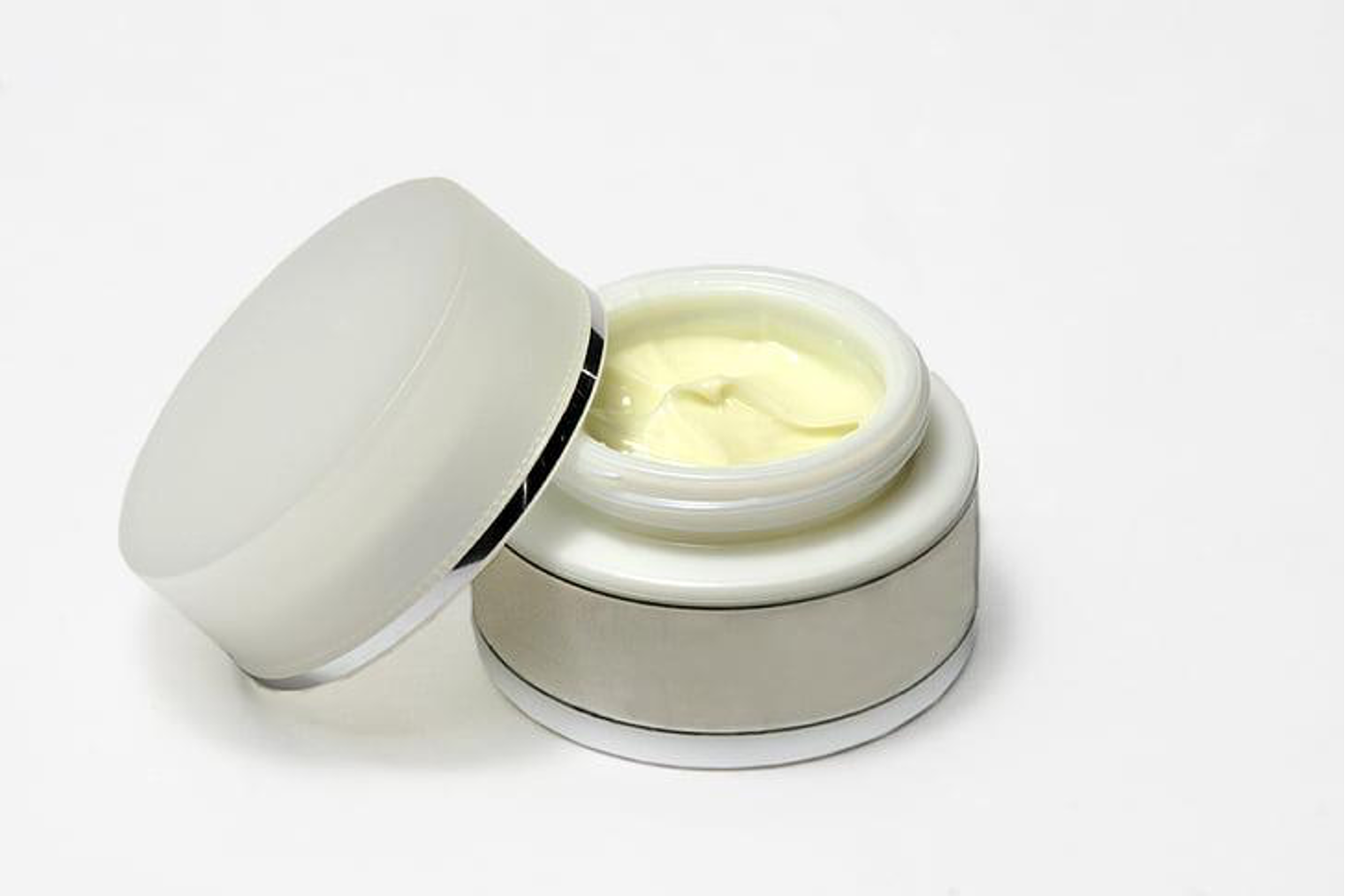
A moisturizer designed to support both hydration maintenance and moisture retention, such as Bonjil, helps bridge that gap within a daily skincare routine. The moisturizer supports skin comfort by reinforcing conditions that allow hydration to remain available for longer periods. Effective moisture retention improves the overall feel of the skin because retained hydration contributes to a smoother and more balanced surface. That balance supports skin-barrier function, reduces recurring dryness, and helps create more consistent results from other skincare steps.
Skin health depends on the interaction between hydration levels and moisture preservation rather than either factor alone. A moisturizer that supports both objectives strengthens the foundation of daily skincare because it addresses immediate comfort while also helping reduce future moisture loss. Consistent application encourages more stable hydration conditions, improves the skin’s ability to maintain comfort throughout the day, and supports long-term skincare maintenance. When hydration and moisture retention work together, the skin experiences fewer fluctuations in dryness and achieves a more dependable level of comfort.
Incorporating Hydration and Moisture into Your Routine
A well-structured skincare routine should layer hydrating and moisture-retaining products strategically. Start with a gentle cleanser that removes impurities without stripping natural oils. Follow with a hydrating serum or essence to deliver water directly to the skin. Finally, seal this hydration with a moisturizer that enhances barrier function. For individuals interested in long-term skin wellness, guidance from publications discussing longevity skincare can provide additional insights into maintaining a resilient skin barrier over time.
Timing and Consistency Matter
Applying moisturizer immediately after hydration while the skin is slightly damp can help lock in water and improve overall comfort. Regular morning and evening application is more effective than sporadic use. Consistency ensures that both hydration and moisture retention are continuously supported, minimizing fluctuations in skin softness and comfort.
Avoiding Common Mistakes
Many people either rely on hydration alone or choose heavy creams that block absorption but do not provide actual water content. Overlooking the difference between hydration and moisture retention can make skincare feel ineffective. By choosing products that address both, such as combining lightweight humectants with barrier-supporting emollients, you create a routine that truly supports skin health rather than temporarily masking dryness.
Environmental Factors
Environmental stressors like low humidity, sun exposure, and indoor heating can increase water loss. A routine that strengthens both hydration and moisture retention will help the skin resist these factors more effectively. Supplementing with hydrating mists during the day can refresh water content, but sealing that hydration with a moisture-retaining moisturizer remains key to sustained comfort.
Dedicated Brand Section
Bonjil serves as an example of a product designed to address the interplay between hydration and moisture retention. By reinforcing the skin’s protective barrier while also maintaining water content, it allows for consistent comfort and a smoother texture. For those who want a focused, effective skincare routine, using a reliable moisturizer as part of a consistent morning and evening routine is more impactful than layering multiple products that do not complement each other.
The brand-focused approach emphasizes simplicity, comfort, and long-term skin health. A moisturizer that is consistently applied and well-tolerated forms the foundation upon which other skincare steps, such as serums, treatments, and sunscreens, can work more effectively. This ensures that daily routines are sustainable and that skin maintains its hydration and resilience over time.
Conclusion
Understanding the difference between hydration and moisture retention is essential for healthy, comfortable skin. Hydration alone is not enough, and moisture retention without water content leaves the skin vulnerable to dryness. A balanced approach that incorporates both ensures a more resilient, soft, and smooth complexion.
By strategically combining hydrating and moisture-retaining products, applying them consistently, and supporting the skin barrier, dry or sensitive skin can maintain comfort throughout the day. Expert guidance and proven routines, like those outlined in essential skincare routine resources, provide a framework, but selecting a moisturizer that bridges hydration and retention, such as Bonjil, ensures real-world results that last.