
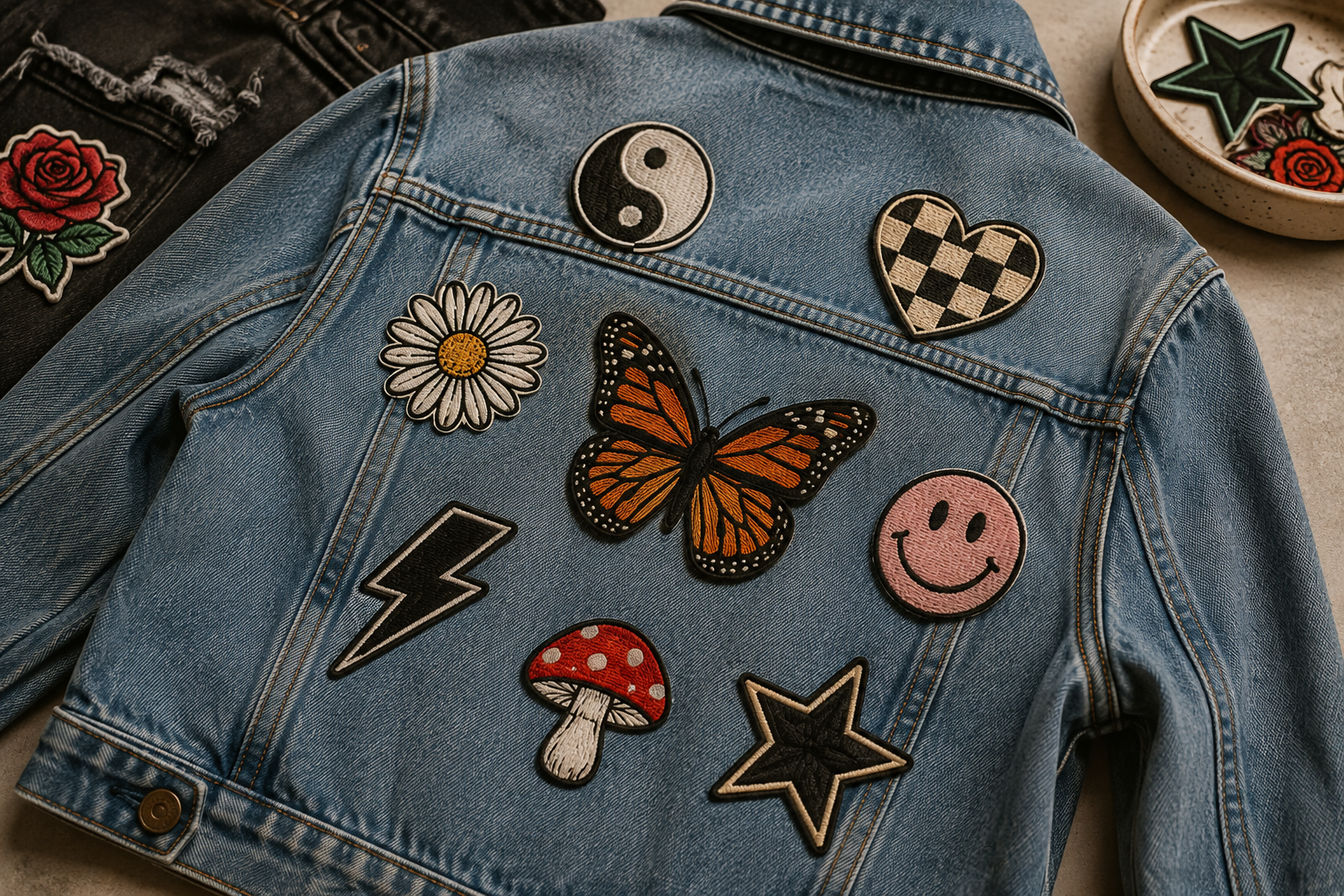
Denim has a way of staying relevant, even as fashion trends come and go. A faded denim jacket, a pair of well-worn jeans, or an old denim shirt can remain a wardrobe favorite for years. The challenge is finding ways to make these familiar pieces feel fresh without replacing them. Sometimes, the simplest solution is a small detail that changes the entire look.
For anyone looking to give an old favorite a new personality, Standard Patches offers custom patches in USA. They can turn plain denim into something more personal, whether the goal is a vintage-inspired jacket, a colorful statement piece, or a subtle design that reflects an individual interest. They offer a practical way to experiment with style without investing in a completely new wardrobe.
Why Denim and Custom Patches Work So Well Together
Denim is one of the most adaptable materials in everyday fashion. Its texture, durability, and casual appearance make it a natural match for decorative details. Unlike delicate fabrics that require careful styling, denim can handle bold colors, embroidered designs, and contrasting textures.
Patches also give denim a sense of character. A simple blue jacket can look entirely different with a few embroidered flowers, a graphic symbol, or a collection of small designs arranged across the back. Even a single patch on a pocket or sleeve can make an ordinary garment feel more considered.
Another advantage is that patches work with different personal styles. Someone who prefers minimal clothing might choose a small monochrome design, while a fan of streetwear could experiment with larger graphics and contrasting colors. Those drawn to vintage fashion might combine several embroidered patches to create a worn-in, collected look.
The appeal lies in the freedom to make a piece your own without changing its original structure.
How Custom Patches USA Can Refresh Old Denim on a Budget
– Reuse clothes you already own: Give old denim jackets and jeans a fresh look with decorative patches instead of buying new clothes.
– Make the most of quality denim: Older denim often has a unique character and a comfortable feel. Patches can enhance its appearance without hiding its original charm.
– Save money: Adding patches can cost less than purchasing a new designer jacket or embellished jeans. The total cost depends on the number of patches, their materials, and application charges.
– Customize gradually: Start with one patch and see how it looks before adding more. This keeps the design flexible and helps you avoid overcrowding the fabric.
– Create a personalized style: Choose patches that reflect your personality and turn ordinary denim into something distinctive.
There is also room to make changes gradually. Start with one patch, wear the garment for a while, and add more only if the design needs something extra. This keeps the process flexible and avoids overcrowding the fabric.
Five Ways to Style Custom Patches on Denim
The best patch placement depends on the garment, the design, and how much attention you want it to attract. These ideas offer a starting point for creating a distinctive look.
1. Create a Statement Denim Jacket
The back panel of a denim jacket provides plenty of space for a larger design. A central patch can become the main feature, while smaller designs around the sleeves or front pockets help bring the look together.
For a balanced result, choose a theme before selecting individual patches. Music, travel, nature, art, and pop culture can all provide inspiration. Keeping the colors within a similar palette can also help different designs look cohesive.
2. Add Small Details to Jeans
Patches do not need to cover large areas to make an impact. A small embroidered design near a front pocket, on the upper thigh, or close to the back pocket can add personality without changing the overall appearance of the jeans.
For everyday outfits, smaller patches are often easier to style. They work with plain T-shirts, trainers, casual shirts, and oversized sweaters. If the jeans already have distressed details, choose patch colours that complement the existing finish.
Avoid placing thick patches directly over areas that bend frequently, such as the knees, unless the design and application method are suitable for that movement.
3. Give Oversized Denim a Vintage Feel
Oversized denim jackets are particularly suited to vintage-inspired styling. A mixture of embroidered symbols, retro graphics, and muted colours can create the impression of a garment collected and customised over time.
The key is to avoid making every detail look identical. A combination of different patch sizes can feel more natural, especially when the colours share a common theme.
Before attaching anything, arrange the patches on the jacket and take a photograph. This makes it easier to compare different layouts and identify areas that need more or less decoration.
4. Experiment With Denim Shirts
Denim shirts offer a more understated alternative to heavily decorated jackets. Small patches on the chest, collar, or sleeve can create a subtle point of interest without overwhelming the garment.
A shirt with a single contrasting patch can work well as part of a layered outfit. Wear it open over a plain T-shirt or buttoned with dark jeans for a coordinated look.
Since shirts are generally lighter than denim jackets, check the weight and backing of each patch before applying it. A bulky design may pull at the fabric or affect how the shirt sits.
5. Build a Personal Collection of Designs
One of the most enjoyable aspects of custom patches is the opportunity to create a design that tells a story. Instead of following a single trend, select symbols connected to favorite places, hobbies, memories, or creative interests.
For example, a travel-inspired jacket might feature designs representing places visited, while a nature-themed piece could combine flowers, mountains, and wildlife. The result becomes more meaningful because the decorations reflect personal experiences.
When choosing several patches, consider how they will look together from a distance. A consistent theme helps the finished garment feel intentional rather than random.
Choosing the Right Patches for Your Denim
Not every patch suits every garment. Materials, size, colours, and application methods all affect the finished result.
Embroidery is a popular choice for denim because its raised stitching adds texture against the fabric. It works particularly well for lettering, symbols, flowers, and detailed illustrations.
Woven patches can be useful when a design includes fine lines or smaller text. Their flatter surface allows for more intricate details without the bulk of some embroidered designs.
Printed patches offer another option for colorful artwork, photographs, and graphics that need smooth colour transitions.
The backing is equally important. Iron-on patches can be convenient for straightforward projects, but their durability depends on the adhesive, fabric, application temperature, and care instructions. Sew-on patches provide a more secure option for garments that experience frequent wear, and stitching can help reinforce the edges.
Before applying a patch, read the manufacturer’s instructions and test the method on an inconspicuous area when possible. Some denim finishes and blends may not respond well to high heat.
Custom Patches and the Appeal of Personal Style
Fashion often moves between two ideas: following trends and expressing individuality. Customised denim offers a way to do both. A basic jacket can follow a familiar silhouette while its decorations make it unique to the person wearing it.
This is one reason patchwork continues to appear in streetwear, vintage-inspired collections, festival outfits, and casual everyday clothing. It allows people to experiment with visual details without committing to a completely different style.
For those exploring different designs, Standard Patches provides a place to discover custom patch options for personalising clothing and other items. The important part is choosing designs that work with the garment and reflect the look you want to achieve.
Customisation can also encourage a more thoughtful approach to clothing. Rather than discarding a jacket because it feels outdated, a small design change can help make it wearable again. Although patches cannot repair every type of damage, they can add decorative interest and extend the styling possibilities of pieces already in the wardrobe.
How to Apply Patches Without Ruining Your Denim
A little preparation can make the difference between a clean finish and a patch that sits awkwardly.
- Start by cleaning the garment according to its care instructions and allowing it to dry completely. Lay the denim on a flat surface, then position each patch before attaching it. Check the arrangement while the garment is hanging as well, since folds and seams can affect how the design appears when worn.
- For iron-on patches, use the recommended temperature and protective layer specified by the manufacturer. Avoid applying heat directly to areas that could melt, scorch, or become damaged. When working with stretch denim or delicate finishes, check compatibility before proceeding.
- For sew-on patches, choose thread that either blends with the patch edge or creates a deliberate contrast. Secure the corners and edges carefully, especially if the garment will be washed regularly.
- If the denim is expensive, heavily structured, or difficult to work with, professional application may be worth considering.
- Finally, follow the patch and garment care instructions after customisation. Turning denim inside out before washing, using a suitable cycle, and avoiding unnecessary high heat can help preserve both the fabric and the decorative details.
Why Custom Patches Make Such an Easy Upgrade
The strongest fashion updates are not always the most expensive or complicated. Sometimes, they come from looking at familiar clothing differently. Custom patches allow denim to evolve without losing the qualities that made it a favorite in the first place.
They offer flexibility in design, work across different denim garments, and make it possible to experiment with colour, texture, and personal meaning. Whether you prefer a single understated detail or a jacket covered in expressive artwork, there is room to create a look that feels individual.
Most importantly, patches make the process approachable. You do not need advanced sewing skills or a complete wardrobe overhaul to begin. With a suitable design and thoughtful placement, an ordinary denim piece can become something worth wearing again.
Frequently Asked Questions
1. Are custom patches a good way to upgrade denim jackets?
Yes. Custom patches are a simple way to add colour, texture, and personality to denim jackets. They can be used on the back panel, sleeves, chest, or pockets, depending on the design and the look you want.
2. Can you put custom patches on jeans?
Yes. Patches can be attached to many denim jeans, including designs placed near pockets, along the upper thigh, or on selected areas of the leg. Choose a suitable size and placement that will not interfere with movement.
3. Are iron-on patches durable enough for denim?
Iron-on patches can hold well when the adhesive is compatible with the fabric and applied according to the manufacturer’s instructions. For frequently worn garments, stitching around the edges may provide additional security.
4. How do I choose the right custom patches for my clothing?
Consider the garment’s colour, fabric weight, design, and intended use. Embroidered patches offer texture, woven patches suit detailed artwork, and printed patches can work well for colorful graphics. Select designs that complement one another if you plan to use several.
5. Where can I find custom patches for denim projects?
You can explore Standard Patches for custom patch options. Consider the design, backing type, dimensions, and application instructions before choosing patches for your denim project.
6. Can custom patches make old denim look fashionable again?
They can refresh the appearance of denim that is still in good condition. A carefully selected patch can introduce a new colour scheme, add a vintage touch, or create a more personalized look without requiring you to replace the garment.
7. Should custom patches be sewn or ironed onto denim?
Both methods can work. Iron-on patches are convenient when the garment and patch backing are heat-compatible, while sew-on patches offer a reliable alternative for frequent wear. Follow the manufacturer’s recommendations and consider reinforcing iron-on patches with stitching when appropriate.
Final Thoughts
Denim is versatile, durable, and easy to wear, but even favorite pieces can begin to feel repetitive. Custom patches provide a straightforward way to change that. From a small detail on a pair of jeans to a bold design across a jacket, they make personal expression part of everyday dressing.
Rather than replacing an old favorite, consider giving it a new identity. A few well-chosen patches may be all it takes to make familiar denim feel fresh again.



