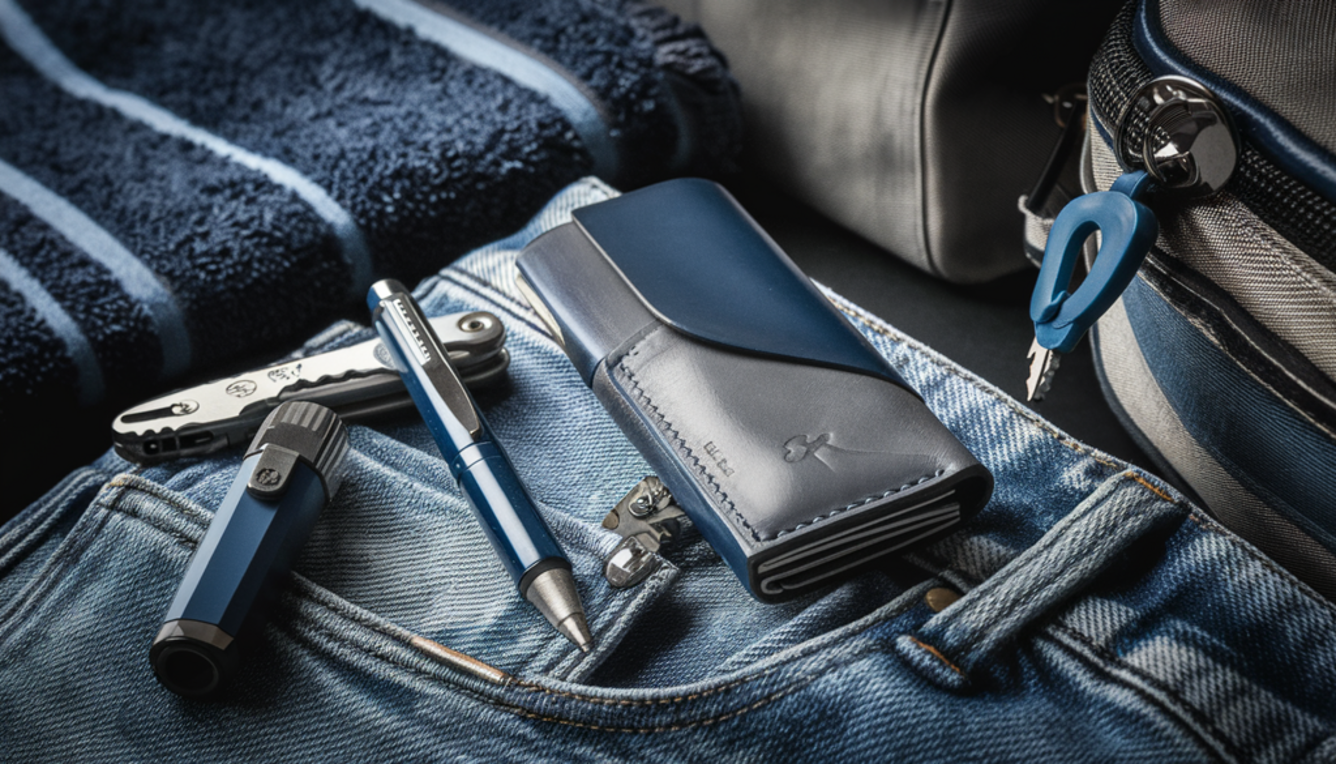
In an industry defined by rapid iteration and precise execution, fashion designers are increasingly returning to an analog essential: the mechanical pencil. Unlike traditional wooden pencils that require constant sharpening or digital styluses tethered to screens, mechanical pencils offer consistent line weight, portability, and tactile feedback that many creatives find irreplaceable. For professionals sketching drapes on a train to Milan or refining pattern details in a studio, the right writing instrument becomes an extension of thought itself.
The mechanical pencil’s evolution traces back to the early 19th century, when inventors sought alternatives to the limitations of wooden pencils. Early prototypes aimed to eliminate the interruption of sharpening while maintaining precision. Modern iterations have refined this concept dramatically. Today’s designs feature advanced lead suspension systems, ergonomic grips engineered to reduce hand fatigue during extended sessions, and retractable mechanisms that protect fragile graphite tips during transport. These improvements address the specific demands of professionals who sketch for hours, whether developing initial concepts or finalizing technical flats.
What separates a functional tool from an indispensable one often comes down to nuanced design choices. For fashion work, several specifications matter considerably:
- Lead diameter: Most designers gravitate toward 0.5mm or 0.7mm leads, which strike a balance between fine detail work and durability during aggressive shading.
- Weight distribution: Pencils with lower centers of gravity provide better control during intricate linework without causing wrist strain.
- Lead advancement mechanism: Side-click or twist mechanisms prevent accidental lead extension when stored in bags alongside fabric swatches and mood boards.
- Grip texture: Knurled metal or rubberized surfaces maintain control even during marathon sketching sessions.
Engineering pencils represent a specialized subset designed originally for technical drafting but adopted enthusiastically by fashion professionals who require absolute precision. These instruments typically feature longer lead sleeves that allow designers to work against rulers and templates without the pencil body interfering with sightlines. The fixed lead sleeve also enables consistent line weight when creating pattern pieces or technical specifications that will guide sample makers and production teams. This level of precision becomes critical when a millimeter’s difference in a pattern can affect how a garment drapes on the body.
Fashion designers working on structured garments—tailoring, corsetry, architectural silhouettes—particularly value this exactitude. The ability to render clean, repeatable lines supports both the creative exploration phase and the technical communication required to bring designs into physical reality.
Beyond pure function, many designers select mechanical pencils that reflect their aesthetic sensibilities. The tool becomes part of a curated workspace, alongside fabric scissors, French curves, and inspiration boards. Manufacturers have responded with finishes ranging from matte black aluminum to brass that develops a patina over time, even limited editions featuring collaborations with artists — brands like Everyman, Rotring, and Staedtler have each carved distinct identities in this space, appealing to creatives who want their instruments to carry as much intention as the work they produce.
Some designers maintain collections of mechanical pencils the way chefs maintain knife sets, choosing different instruments for different tasks: a lightweight model for quick gesture sketches, a heavier drafting pencil for technical work, a vintage piece for personal journaling. This approach recognizes that tools shape process, and process shapes outcome.
The manufacturing process behind quality mechanical pencils reveals why certain models command premium prices. Production typically begins with precision-machined metal components—often brass or aluminum—cut on CNC mills to tolerances measured in hundredths of millimeters. The internal clutch mechanism that grips and advances the lead requires careful assembly of springs, sleeves, and buttons that must function reliably through thousands of cycles.
Higher-end models often incorporate knurled grips created through a separate machining process, adding both visual interest and functional texture. Anodizing or powder coating provides durable finishes that resist wear from constant handling. Understanding this craftsmanship helps explain why a well-made mechanical pencil can last decades, becoming a career-long companion rather than a disposable commodity.
The concept of everyday carry—selecting and maintaining a curated set of essential tools—has gained traction beyond its origins in preparedness communities. For fashion professionals, an EDC approach means having reliable instruments immediately accessible, whether working from a studio, a café, or an airport lounge between shows. A quality mechanical pencil fits this philosophy perfectly: compact enough to slip into any bag, durable enough to withstand daily transport, and immediately functional without setup or charging.
This portability proves particularly valuable during fashion weeks, when designers often need to make quick adjustments to looks between fittings, or during fabric sourcing trips when inspiration strikes in unexpected moments. The mechanical pencil’s instant readiness—no sharpening, no boot time, no battery anxiety—removes friction from the creative process. Ideas can be captured at the moment of conception rather than mentally filed away and potentially lost.
In an industry increasingly dominated by digital tools, the mechanical pencil’s persistence speaks to something fundamental about how many designers think and work. The direct connection between hand, tool, and paper—without the mediation of screens and software—offers a different quality of engagement with emerging ideas. Early-stage sketches often benefit from this immediacy, allowing rapid iteration without the cognitive overhead of navigating interfaces.
For fashion professionals building their essential toolkit, a well-chosen mechanical pencil represents a modest investment with disproportionate returns. The combination of precision, reliability, and portability supports creative work across contexts, from initial concept sketches to final technical drawings. Whether selecting a workhorse drafting pencil or a design object that inspires daily, the right mechanical pencil becomes not just a tool but a creative partner—ready whenever inspiration strikes, capable of capturing ideas with the clarity and precision they deserve.