Fashion design is a complex niche. One of the biggest challenges that designers face is thematic. What’s in today becomes cliché tomorrow, and the difficulty in finding timeless inspiration persists to this day.
If the goal is to find timeless themes, what better inspiration exists than something that’s already timeless? Thankfully, our world is blessed with several such themes, and nature is a classic example.
In this article, let’s explore how it continues to fascinate and inspire design.
Nature fulfills Fashion’s Love for Metaphors
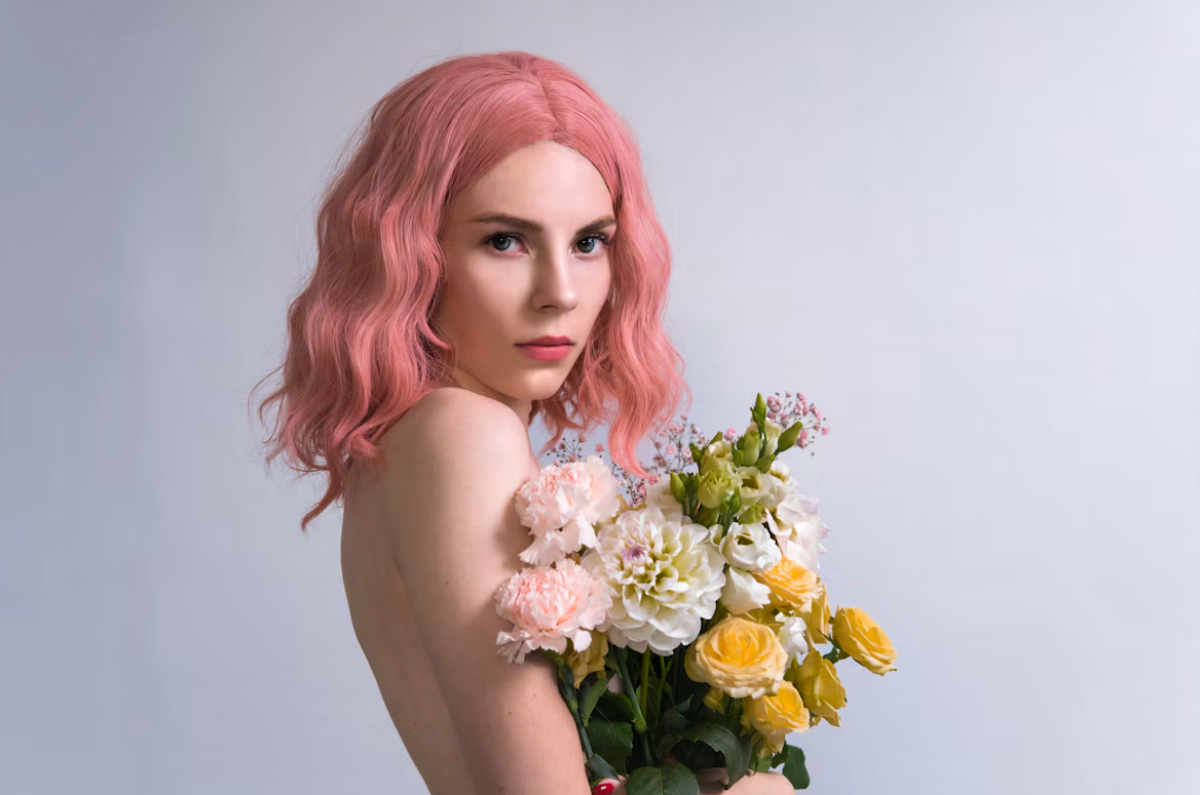
Fashion designers at all levels crave one thing more than others. It’s to tell a story and to express human emotion. That is the crux on which most design relies. Every story needs a sprinkle of metaphor to add that extra layer of beauty to it. It allows complex themes to be distilled and understood in one moment.
According to Andrew Bolton, curator at The Costume Institute, nature serves as the ultimate metaphor for fashion. It touches on themes of rebirth, renewal, simplicity, and ephemerality.
Celestial-inspired clothing could be used to send a message of wonder and mystery. Fashion with imagery of the stars and the cosmos instantly awakens those emotions in us. It also becomes a favorite for people who deeply identify with things linked to it.
As celestial lifestyle brand Under The Stars Babe explains, celestial fashion is popular for people into yoga or manifesting. The same holds for fashion featuring other elements like the wind, water, flowers, or the sun. They are already established in our psyche as having profound beauty. Thus, wearing or perceiving their themes automatically awakens associated emotions.
Nature Appeals to People of All Classes
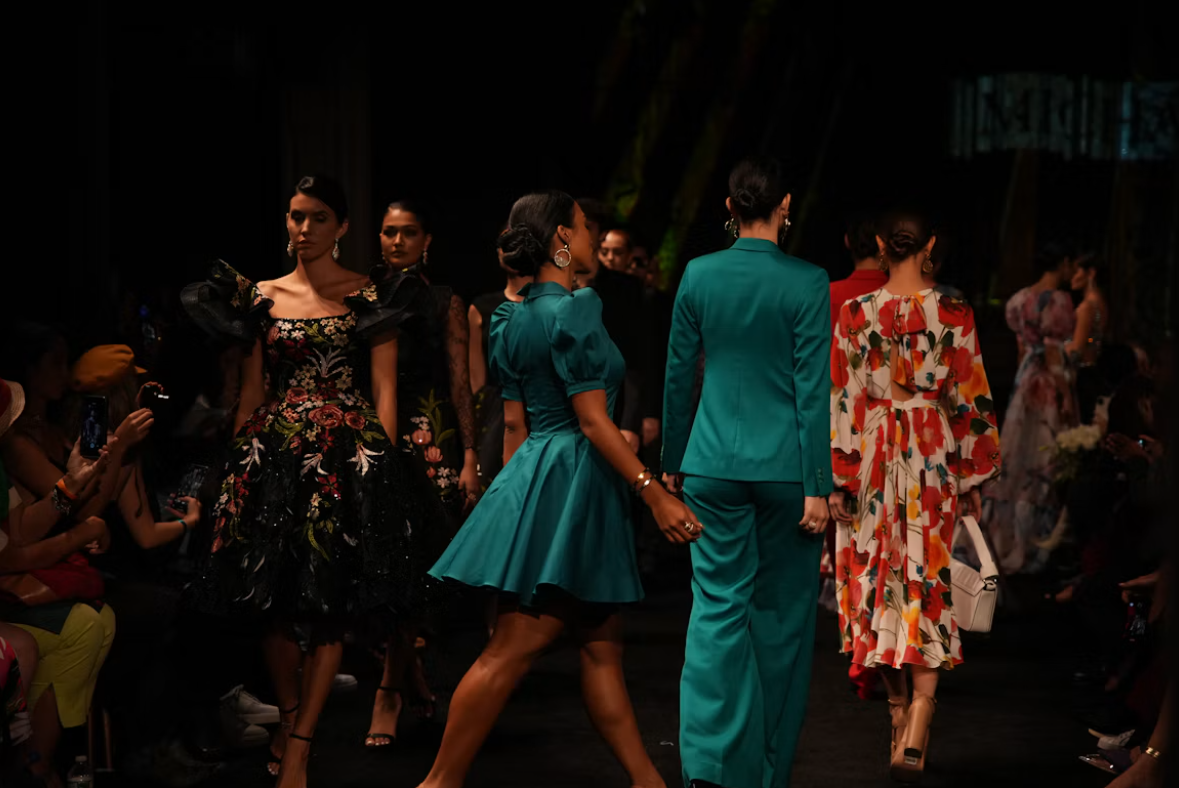
A common issue in the world of fashion is class divide, where the rich favor fashion that sets them apart from the poor. In the past, that meant using expensive gold embroidery or craftsmanship that only the affluent could afford. Today, the rich focus on subtle branding and other criteria like fabric choice and fit.
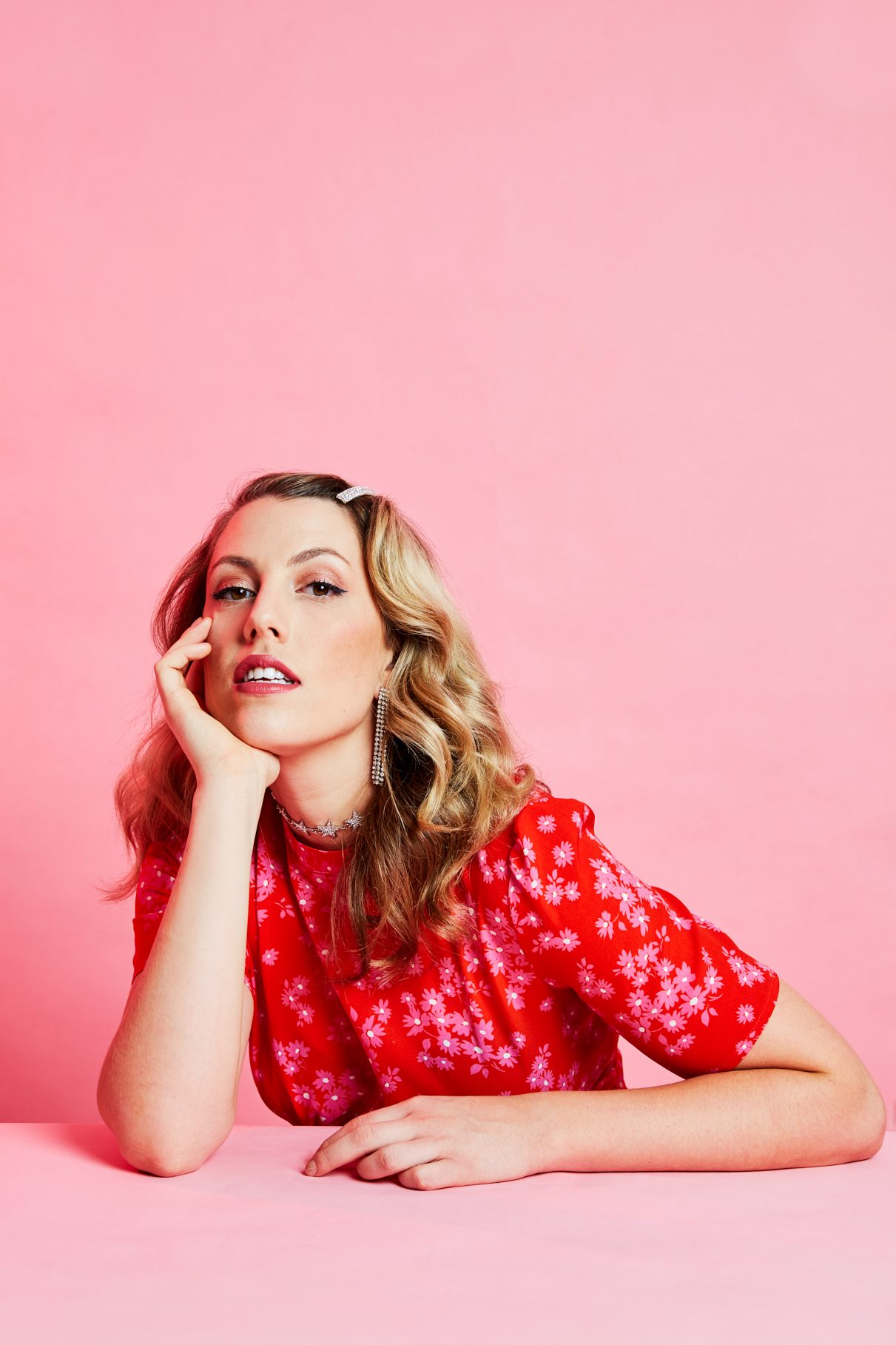
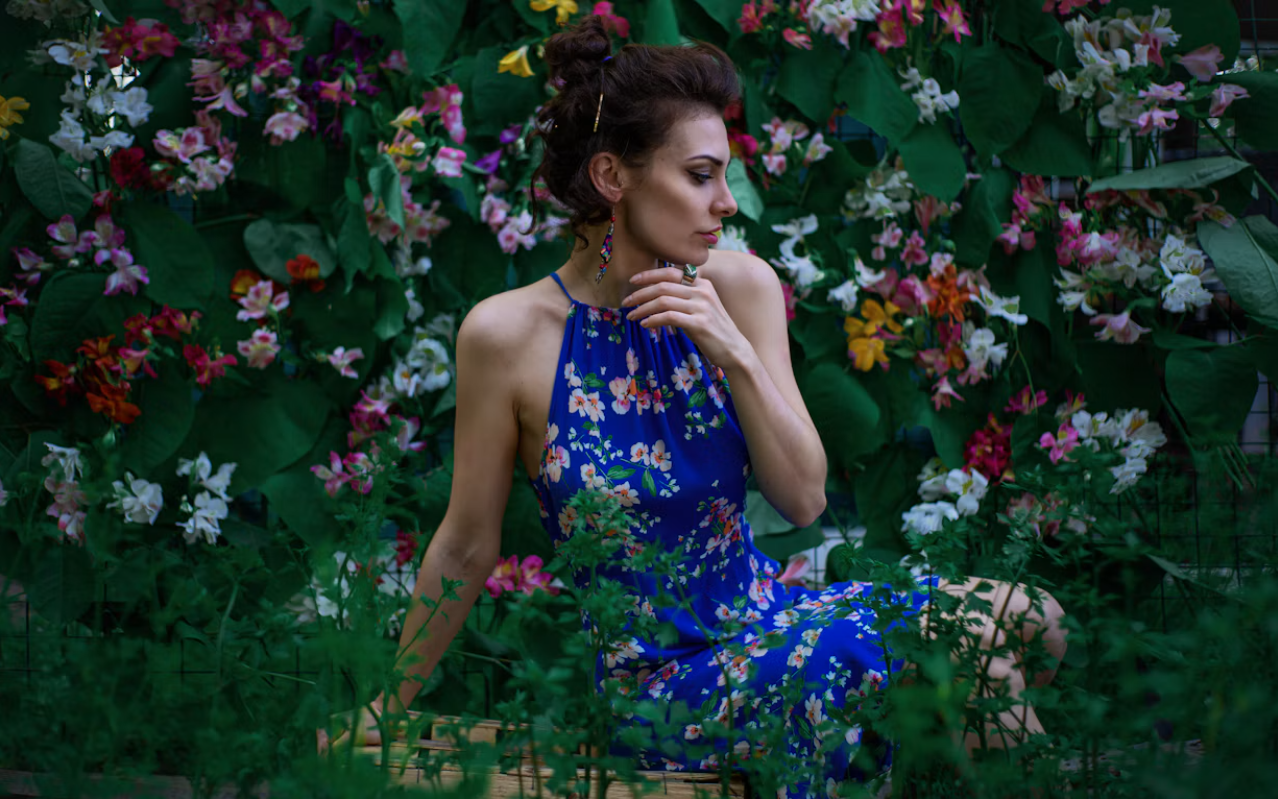
However, nature-inspired, or biophilic fashion doesn’t allow itself to be bound by a class. For instance, floral patterns are seen on fashion pieces that range from $5 to $1,000 and are equally popular among all classes.
In fact, researchers analyzed over 805 products from 6 different brands and found that inspiration from nature is quite noticeable. To be specific, 13.3% of products featured nature-inspired colors and 12.3% of products featured nature-inspired patterns. Essentially, a total of 25.6% of products have some inspiration from nature, and fashion is one of the broadest industries that exists.
Nature Inspires Sustainability in Fashion
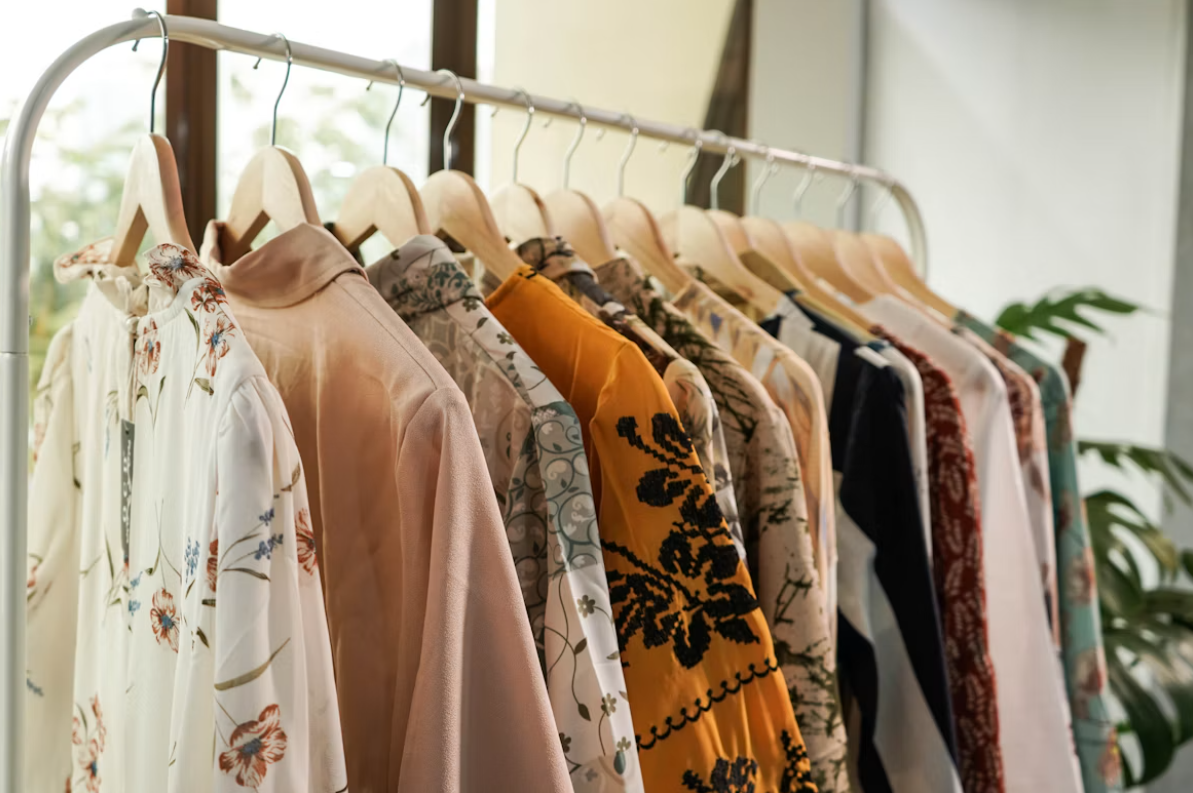
From toxic chemicals to leather from endangered species, fashion doesn’t have the best track record in sustainability. It’s an industry that’s notorious for massive overproduction, water consumption, and a high-carbon footprint.
Yet, the theme of nature reminds us about the need for more conscious design choices. A great example is mycelium leather. Research has shown that it takes about 5 days to produce versus the 6 to 8 weeks for animal leather. Researchers believe that this material, grown from fungal networks, also has the potential to address ethical concerns around animal farming.
Similarly, there’s been increased effort being put into brewed protein or spider silk to create organic silk. Another example of how nature inspires sustainability is the use of algae-based textiles and dyes. It’s a solution that doesn’t involve toxic chemicals, pesticides, or lots of fresh water.
Frequently Asked Questions
How does nature influence modern fashion trends?
Nature influences modern fashion through colors, textures, patterns, and even the materials used to make clothing. Designers might take inspiration from ocean waves, autumn leaves, animal markings, or the night sky. These references give collections a visual identity while connecting them to something people already recognize and appreciate.
What are some examples of nature-inspired fashion materials?
Some interesting examples include mycelium leather made from fungal networks, algae-based textiles, and fabrics developed using bioengineered proteins. Designers also work with organic cotton, hemp, and linen. Each material has different properties, so its environmental benefits depend on how it is produced, processed, and eventually disposed of.
How can you incorporate nature-inspired fashion into your everyday wardrobe?
Start with small details that complement clothes you already own. Floral prints, earthy colors, leaf-shaped jewelry, or accessories featuring stars and moons can bring natural influences into your personal style. If you prefer a more understated look, try textured fabrics or shades inspired by forests, beaches, and sunsets.
Key Numbers & Facts at a Glance
| Products featuring nature-inspired colors | 13.3% |
| Products featuring nature-inspired patterns | 12.3% |
| Time required to produce mycelium leather | Approximately 5 days |
| Time required to produce animal leather | 6 to 8 weeks |
| Biophilic fashion | Fashion that is influenced by colors, patterns, textures, and other visual elements drawn from the natural world |
Nature has the power to make a busy industry like fashion slow down. It doesn’t care about being on the cover of Vogue, nor does it care to impress critics in France. Yet, it’s been a part of fashion since the time humans first covered themselves in fig leaves.
It’s a muse for the rich and for the poor. It’s inspired fashion in the past and will likely continue to do so in the future.
While other themes from pop culture and sports also influence the industry, they lack the staying power that nature has. Meanwhile, nature has never needed to keep up with trends over the centuries. That’s not something most design concepts can boast of.