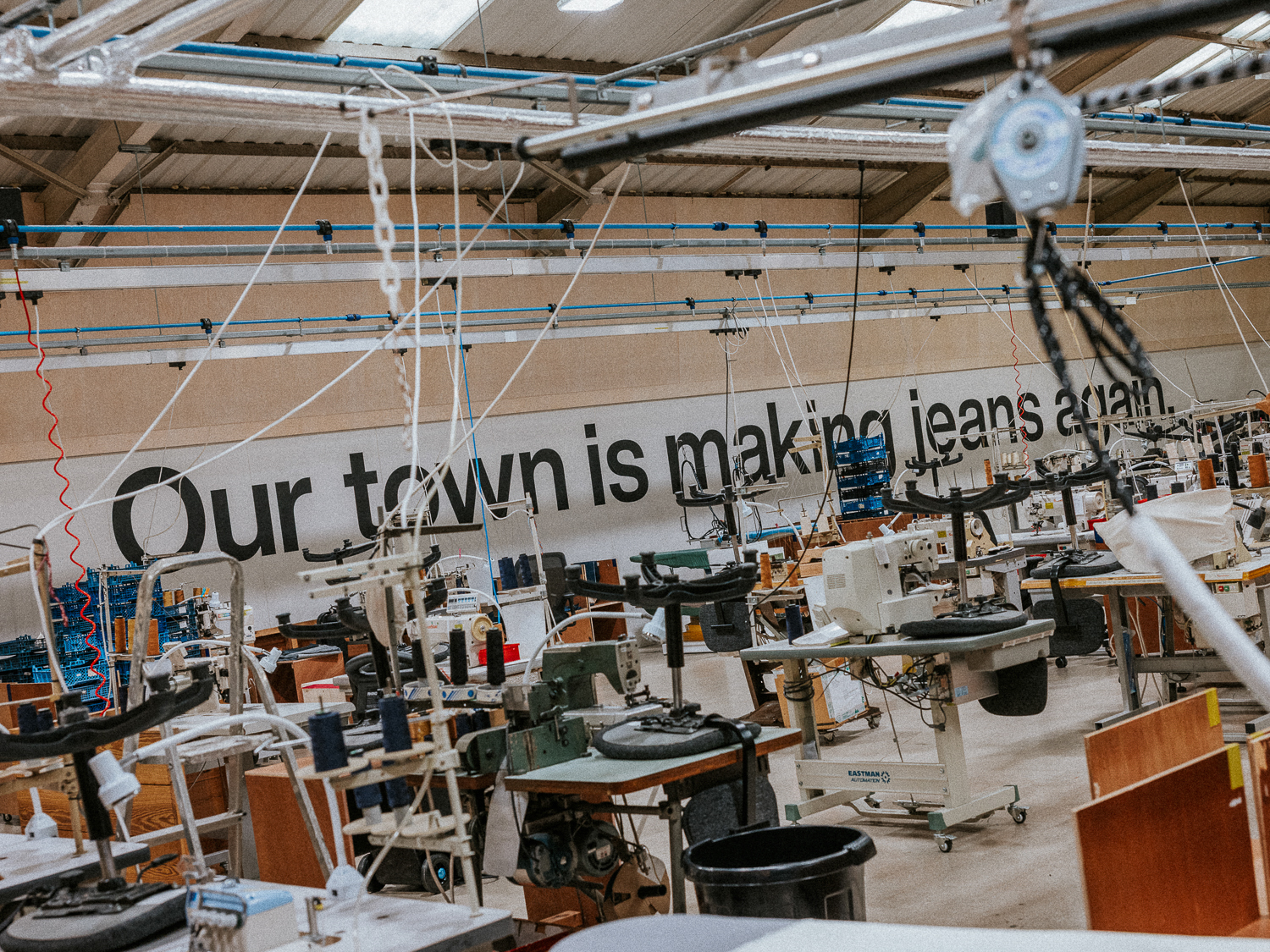
Cardigan, a small town on the west coast of Wales, once produced 35,000 pairs of jeans every week. When the factory closed, four decades of expertise went with it, until 2011, when Hiut Denim Co. was founded with a single mission: to bring jean making back to the town that knew how to do it best. Rather than chasing volume, Hiut produces premium denim with an emphasis on quality, longevity and responsible manufacturing, every pair handcrafted by skilled makers whose expertise has become increasingly rare in modern fashion.
It’s a philosophy that runs against the grain of an industry built on constant replacement. Conversations around sustainable fashion tend to centre on recycled fibres, lower impact dyes and carbon footprints and those innovations matter, but perhaps the most sustainable garment is also the simplest: the one you buy once and wear for years.
Buying better, not more
I’ll admit this piece is personal. Earlier this year I counted the pairs of jeans in my wardrobe: 23. Not even an exaggeration, 23 pairs, of which I’d worn exactly 2 all year. The rest sat there in my wardrome as evidence of trends I’d chased and sales I couldn’t resist. I gave most of them away, and made myself a promise in the process: buy less, and make sure whatever I do buy is built to last.
Denim, as it happens, is the category best suited to keeping that promise. A great pair of jeans doesn’t simply survive years of wear; it often looks better because of it. The fading, softening and subtle marks of everyday life become part of the garment’s character, making each pair entirely unique to its owner.
Hiut’s women’s collection is built around enduring silhouettes rather than fleeting trends, with a small, considered range of styles to suit different wardrobes.
Those drawn to classic denim will appreciate The Mari, a slim fit with a flattering high waist and a clean line. For lovers of wider proportions, The Edna delivers a relaxed wide leg that feels effortlessly modern, while The Aurelia offers a wide straight cut that bridges classic and contemporary.
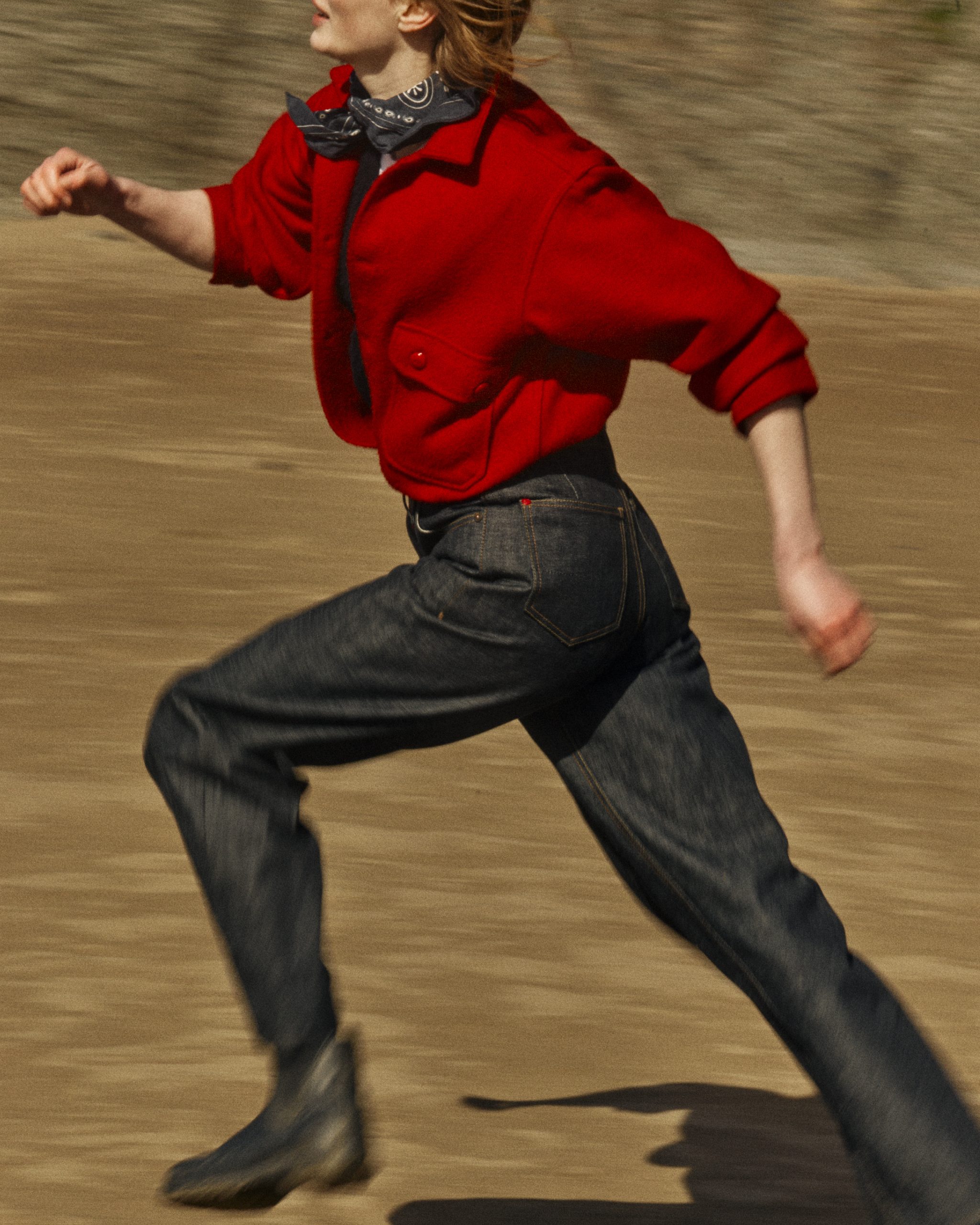
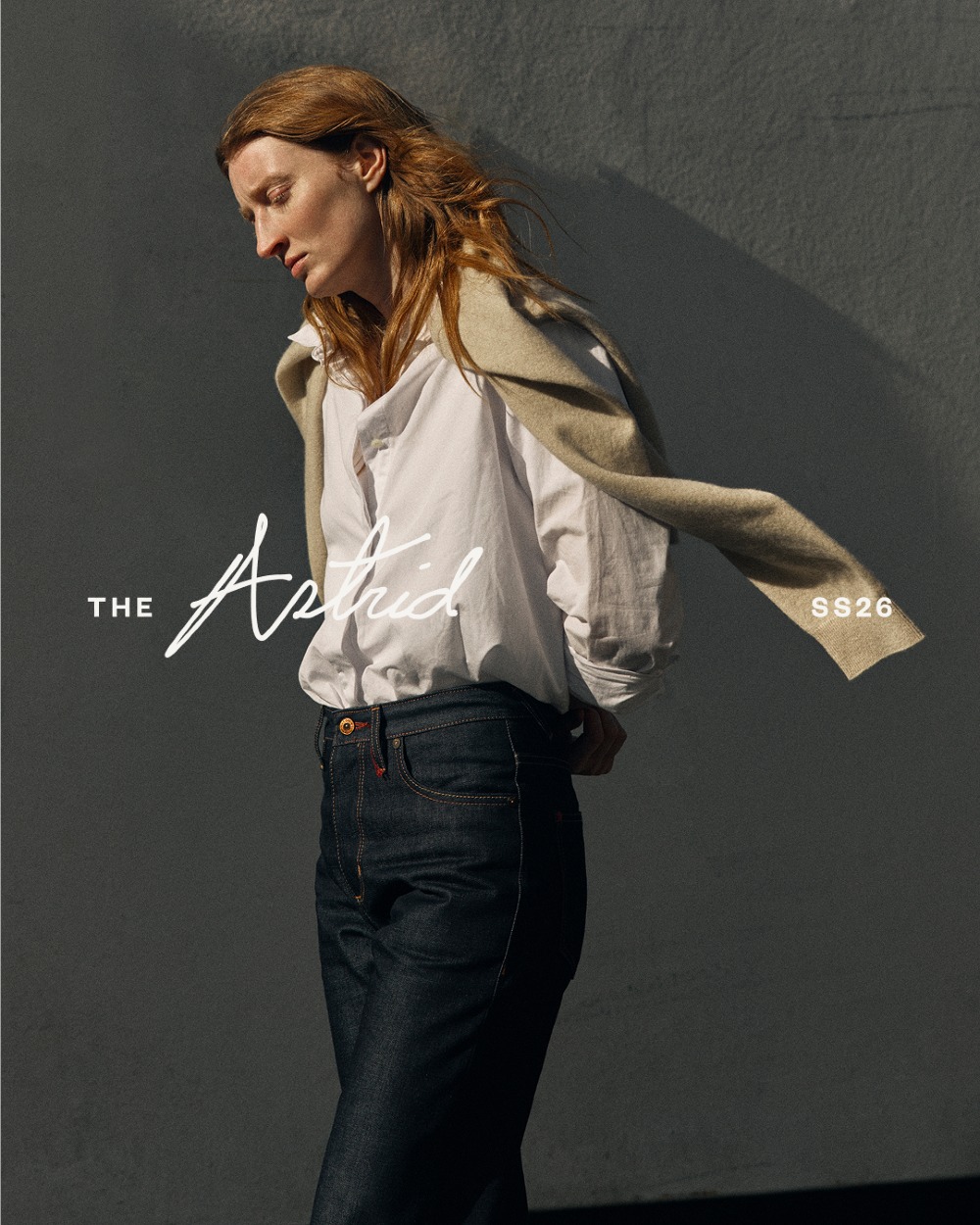
The pair I opted for was The Astrid, Hiut’s take on the barrel fit. Unlike some exaggerated versions of the shape, the Astrid feels remarkably wearable: a comfortable mid-rise with a softly curved leg that creates shape without overwhelming the frame.
A heatwave isn’t the best moment to road-test heavyweight denim, but even from the first few wears the quality is obvious. The fabric is noticeably denser than most jeans I’ve owned very stiff at first, as raw denim always is, though it softens with each wear. Crucially, they hold their shape all day instead of bagging out at the knees by mid-afternoon, which is where cheaper denim always gives itself away.
Arey they worth the price tag?
Hiut’s jeans sit firmly in the premium category. The women’s organic denim collection starts at £245, while styles in Japanese selvedge and other specialist fabrics reach around £350.
That may seem a significant outlay when high street denim has never been cheaper. But comparing Hiut to fast fashion alternatives rather misses the point. You’re paying for handcrafted production, premium materials, small-scale manufacturing and a garment designed to to last years. Hiut also offers free repairs for life, encouraging customers to mend and keep wearing their jeans instead of replacing them.
Ultimately, the value of a great pair of jeans isn’t measured by how little they cost, but by how often you reach for them. Divide the price over hundreds of wears and the equation starts to look very different.
I’d love to end this by promising I won’t buy another pair for five years. I won’t promise that. But I’ve gone from 23 pairs to a handful, which I’d call progress and the Astrid is the one I’ve reached for the most.