
It is a science concerned with the working processes of muscles, joints, and other forces in movement. Coaches, physiotherapists, and researchers use biomechanical principles to make an analysis of a movement technique with great accuracy. It reveals all those places where efficiency is lost, as well as risks of injury. This scientific approach has changed dramatically the way of designing training programs for almost all kinds of sports and physical activities. Let us find out how the knowledge of these principles can improve our movements and eliminate excessive stress.
Performance Data Analysis for Optimized Movement
Modern biomechanics involves a lot of performance data analysis and movement analysis. All these sensors and motion capture systems measure all joint angles, velocities, and output of forces in the course of training. Many people following sports statistics often compare their favorite betting site with direct deposit (Farsi: سایت شرط بندی با واریز مستقیم), where they can place wagers on games. This example shows how much influence the performance metrics have on modern sports wagering. Those bettors who know all these movement patterns are able to evaluate the performance of those players better.
These data allow coaches to detect all the inefficient moments long before any serious injuries occur. Some small changes made by the athletes in their techniques will allow them not only to become faster but also to avoid any additional stress. Thus, such an approach turns the performance data into practical training decisions. Regular biomechanical analysis makes the movements of athletes safer and more efficient. The video and force-plate analysis often reveal some flaws that cannot be seen by the human eye.
Wearable Technology and Instant Feedbacks
Now the athletes are provided with wearable sensors that give them instant feedback during every training and competition. Coaches get the data about their strides, balance, and joint stresses instantly. The fans who monitor this data sometimes look for a betting site download (Farsi: دانلود سایت شرط بندی) for the matches to follow live odds. It shows how closely these technologies and fans have been connected recently. The data and live odds require the same kind of instant access.
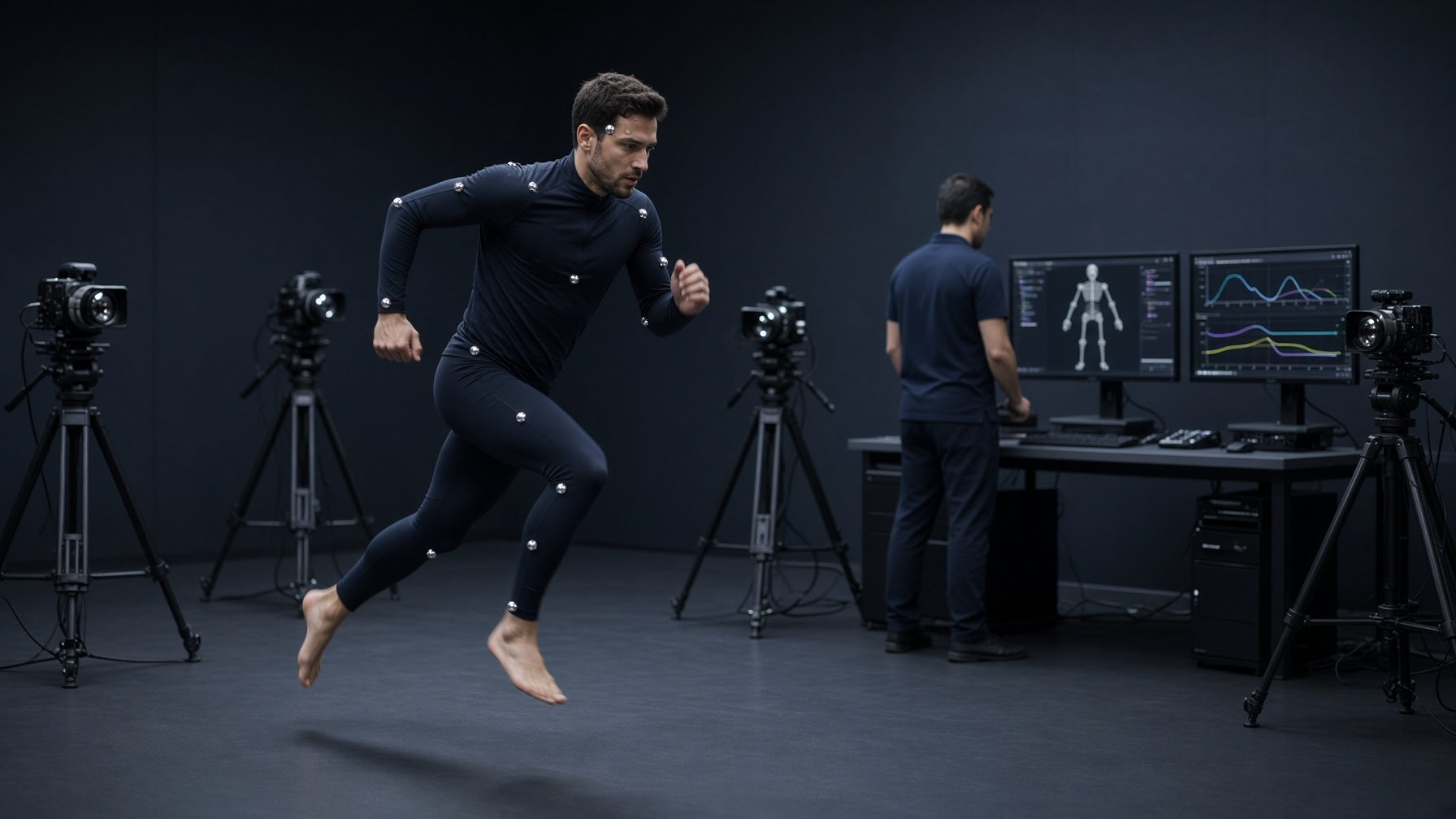
With the help of such a system, the athletes are able to correct their form right in the middle of training. No need for post-session analysis – adjustments occur during the training session itself. Thus, thanks to this feedback, athletes are able to avoid all those repetitive strain injuries that later turn into chronic injuries. Nowadays, sports scientists treat this kind of feedback as an indispensable element of any elite training program.
Tools Used for Measurement of Human Movement
There are many specialized devices that enable coaches and scientists to measure human movement in a precise and accurate way. All the devices described below provide different aspects of movement, forces involved, or muscle activity during a certain exercise. By using all of them together, one can get a much more detailed insight into human technique.
Usually, researchers use a combination of several of these technologies in order to cross-check and reduce mistakes in measurements. Below is the table that includes several most frequently used technologies.
| Tool | Function | Common Use |
| Motion capture cameras | Records joint angles and body position | Running and jumping analysis |
| Force plates | Measures ground reaction forces | Landing and balance assessment |
| EMG sensors | Tracks muscle electrical activity | Identifying muscle imbalances |
| Wearable IMUs | Captures acceleration and rotation | Real-time gait monitoring |
Each device presented above provides specific information during an analysis. Thus, by combining several different sources of information, one can obtain a full picture of an athlete’s technique. None of these devices can tell the full story by itself, but together they can provide a much more efficient training strategy.
Application of Biomechanics in Training Outside Elite Sports
However, the application of biomechanics goes beyond professional athletes and Olympic training centers. Every day activities, such as walking, lifting, or climbing stairs, are based on the same physical laws as complex sports techniques. Physical therapists use these principles when helping people to rehabilitate after their injury or surgery. Even office workers will benefit from basic information about the biomechanics of posture and repetitive strain.
It is important to understand the basic principles of movements in order to prevent common injuries during daily activities. Proper lifting will reduce unnecessary strains on your joints and muscles. This knowledge enables people to move effectively in their daily lives.
The Role of Biomechanics in Injury Prevention
One of the most important applications of biomechanics nowadays is the prevention of injuries. Using biomechanical principles, scientists investigate movement patterns that can cause injuries and develop training strategies to avoid them. Many professional sports teams have biomechanists in their medical staff.
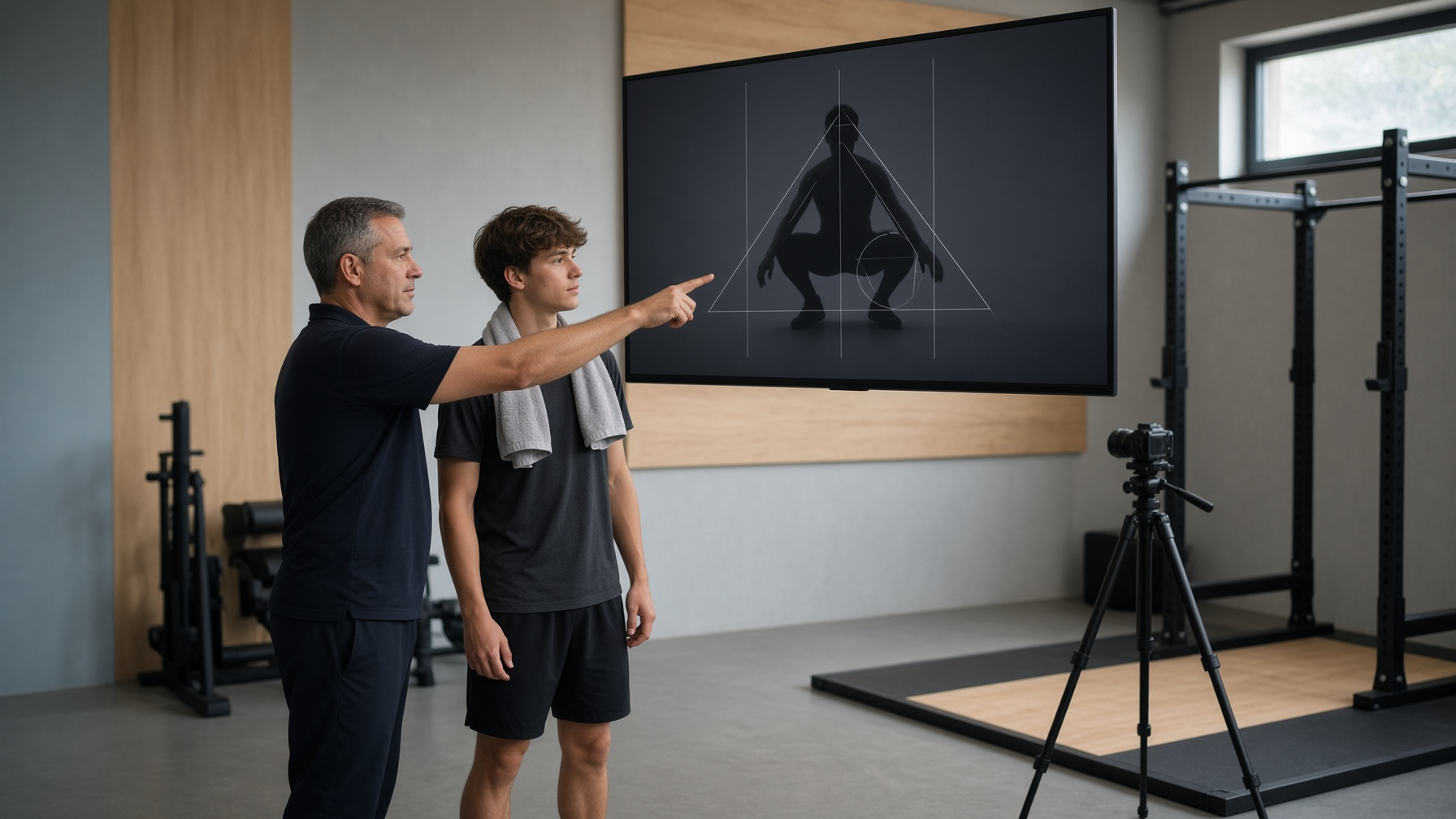
Injury prevention screenings are used in order to identify movement patterns that can cause injury later. For example, athletes with poor landing technique will have a higher chances to suffer from knee injuries. Thus, some targeted exercises will help to prevent this.
Biomechanics in Strength and Conditioning
Coaches use biomechanics as a foundation when designing safe and effective lifting programs. Barbell path, joint angles, and load distribution play crucial roles in transferring force effectively through one’s body. Poor biomechanics is the major cause of unnecessary spine or knee strain experienced during lifting. Analyzing videos of athletes performing exercises such as squats or deadlifts helps to identify any flaws in mechanics, which can increase an athlete’s risk of getting injured.
Training programs based on feedback provided by biomechanics progress faster and more safely than generic ones. In these cases, coaches base their decisions regarding range of motion, tempo, and repetition ranges on individual movement patterns. This way, coaches eliminate any guesswork and make training more efficient and evidence-based. Athletes with certain anatomical features will benefit greatly from personalized training programs designed by biomechanics.
Biomechanics Across Different Sports
All sports place different requirements on the body, and biomechanics is able to solve these differences. Sprinters need explosive hip extension, while swimmers need excellent shoulder rotation and core strength. Understanding the biomechanical needs of different sports will allow coaches to design efficient and individualized training programs. The following table contains the main categories of sport disciplines and their main biomechanical aspects.
- Running sports: Stride efficiency, ground contact time, and hip mobility.
- Throwing sports: Shoulder rotation, elbow torque, and kinetic chain sequencing.
- Jumping sports: Landing mechanics and force absorption in the lower body.
- Swimming: Streamline positioning and rotational core strength.
It is clear that generic training does not take into account biomechanical differences between various sports. For example, athletes who specialize in sprints have very different joint mobility and muscular work compared to swimmers. It is the duty of biomechanists to work together with sports specialists to create useful cues for athletes.
Technology That Will Shape the Future of Movement Science
The use of artificial intelligence has started shaping the way biomechanical information is collected and analyzed. Machine learning algorithms can process movement information at a much quicker pace than through the conventional method of manual collection and analysis. Such technologies enable trainers to identify trends in hundreds of practice sessions within seconds.
Smart Movements, Step-by-Step
The field of biomechanics makes the process of human movement a science for athletes and regular people. Motion capture systems and wearable sensors allow for improving training and recovery processes significantly. These findings help to decrease injury risk and improve efficiency continuously. With further development of this science, analysis of movements will continue to provide smart training solutions.



