

In a time where consumer experience unfolds almost exclusively across our smartphones, a fundamental shift is reshaping design: motion is no longer a cosmetic veneer applied at the end of a commercial project; it is becoming the foundational architecture of modern branding.
Brand identity was typically anchored in static touchpoints: business cards, print campaigns and fixed logos. Motion design was routinely treated as an afterthought; something commissioned long after a visual identity had been locked in. Today, motion design fuels social feeds, product interfaces, interactive web frameworks and video ecosystems.
In other words, a modern brand identity must be engineered with motion embedded directly into its DNA.
Costa Rica-born Brand and Motion Designer Sofia Garcia would know, as her work sits at the intersection of strategic brand identity and visual storytelling. After honing her skills in agency hubs like Chicago and Los Angeles, Garcia built a career shaping high-profile motion systems, brand identities, and global campaigns for industry giants like Samsung, Disney Entertainment, Tennis Channel, Netflix and Amazon Prime Video.
“For me, good motion and brand design starts with one really strong idea,” said Garcia. “I try not to design every element independently because everything should feel like it belongs to the same thought.”
She then thinks about hierarchy: What should someone notice first? What should they understand immediately? Where should their attention go next?
“In motion design, even a small decision about timing can completely change how something feels,” she said. “I also try to edit a lot. Sometimes removing something makes the idea stronger. I think memorable work usually has a clear point of view, rather than trying to show everything at once.”
But rather than viewing motion as an afterthought, she approaches movement as an essential part of a brand’s DNA, bridging the gap between big-picture strategy and fine-tuned execution. Garcia evaluates how a brand breathes and communicates across digital environments.
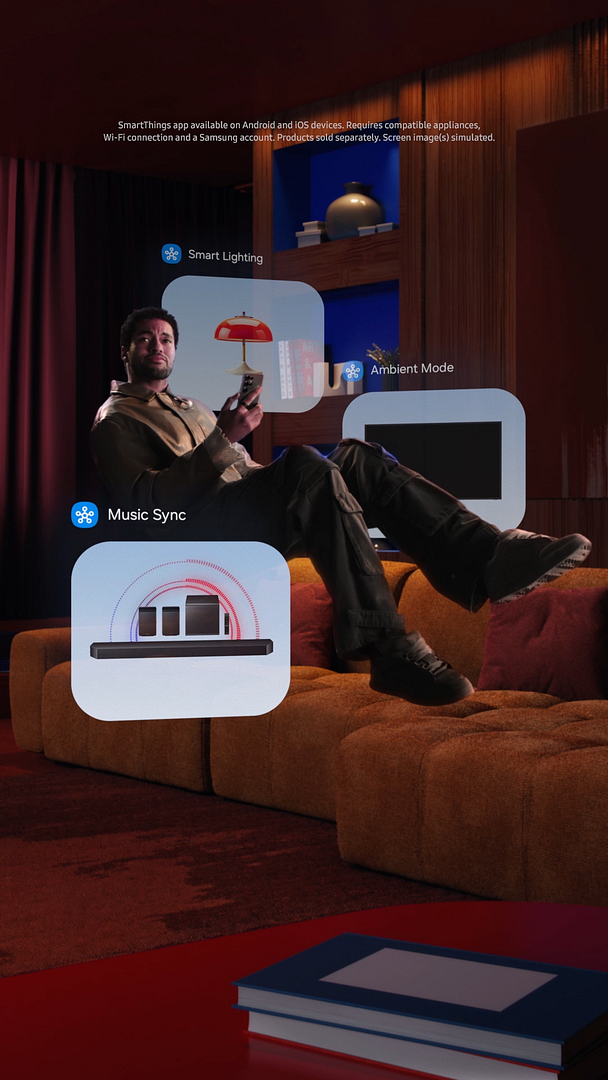
“Brands are no longer static,” explains Garcia. “They exist across interactive platforms where motion connects the entire experience. Motion designers naturally evaluate systems, transitions, and brand behavior over time rather than focusing on a single, frozen frame.”
With digital platforms flooded with visual clutter and hyper-animated content, the challenge for modern designers is no longer execution capability—it is editorial discipline. Operating across agency environments and complex production pipelines, Garcia’s toolkit spans After Effects, Premiere Pro, Illustrator, Photoshop, Figma, 3D software, and generative AI tools.
Yet, across high-stakes engagements for global technology, entertainment, and sports brands, the primary objective remains filtering out non-essential noise to highlight the core message.
“I’m used to getting a concept across a finish line across motion systems, campaigns, social content and visual identity,” says Garcia, whose main toolkit includes After Effects, Premiere, Illustrator, Photoshop, Figma, 3D software, and creative AI (“tools may help execute ideas, but clarity of communication always comes first,” she notes).
Garcia’s design approach prioritizes strategic problem-solving over ‘decorative’ animation. Before opening up and logging into a design software program, her focus centers on user intent.
Some of her projects include creating promotional videos for TV series and films on Disney+, Netflix and Amazon Prime Video, like Only Murders in the Building, creating the UI motion and branded interactive experiences for Samsung SmartThings. She has also worked on reels for Pampers, Samsung AI and Synchrony Bank, including the illustration and motion graphics for the bank’s short film, The Lemonade Stand.
“I audit the core problem before opening any design software,” Garcia explains. “I map out the audience, platform context, and target emotional impact. Different industries require distinct visual styles, but the strategy remains identical: clarify the objective, then deliver the simplest execution that fits.”

She also tends to avoid decorative movement just for movement’s sake. Bells and whistles are unnecessary in motion design. “Having dual training in advertising and motion design lets me refine the overarching concept while dialing in mechanical details like timing, typography, and composition,” she explains.
Overall, the goal is to use technical mechanics for a purpose, rather than just to hook viewers into staying on the screen.
“For me, it starts with one strong idea,” Garcia notes. “I try not to design every element independently. Everything should feel like it belongs to the same thought. Then I think about hierarchy. What should someone notice first? What should they understand immediately? Where should their attention go next?”
Garcia adds: “In motion, even a small decision about timing can completely change how something feels. I also try to edit a lot. Sometimes removing something makes the idea stronger. I think memorable work usually has a clear point of view, rather than trying to show everything at once.”
Human direction in the age of AI is absolutely necessary. With generative AI tools automating routine asset generation and technical iteration, the designer’s role is shifting from manual production to curator and creative director.
Having evaluated AI-generated motion frameworks for advanced language models like Anthropic’s Claude, Garcia views algorithmic tools as accelerators that elevate the necessity of human taste.
“AI accelerates early visual exploration and concept testing, but it shifts the human role toward taste and creative direction,” Garcia notes. “Anyone can generate raw assets now; the value lies in knowing what is worth creating and why it serves the idea.”
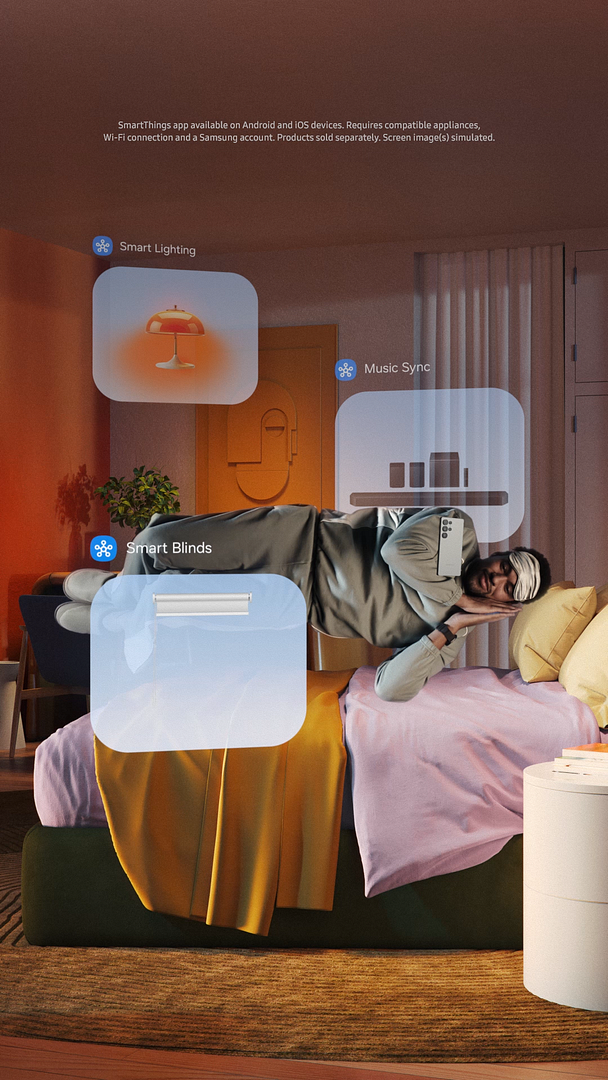
This focus on structural clarity also redefines how creative teams collaborate on complex production pipelines. In fast-moving environments, the most impactful contribution often involves refining chaotic iterations down to their essential elements.
“One thing I’ve learned working on larger teams is that the best idea isn’t always the first idea,” Garcia says. “Sometimes a project starts in one direction and, once everyone sees it in motion, you realize there’s an opportunity to make it much stronger.”
Making ideas stronger is the bread and butter of what Garcia does; it’s taking a static brand logo, project or campaign and bringing it to life through a reel, animated intro or short film.
“Instead of continuing to add more visual elements, I’m always looking at what is actually necessary and how motion design can make the idea even clearer,” she said. “That means changing the pacing, simplifying a transition, or rethinking how the brand shows up.”
As Garcia admits: “I’m fairly soft-spoken, so I’m not usually the loudest person in the room, but I pay close attention and I’m thoughtful about when I have something to contribute,” she said. “I’ve found that sometimes a small observation can completely change the direction of a piece.”
Words: Nadja Sayej
Images courtesy of Sofia Garcia



