
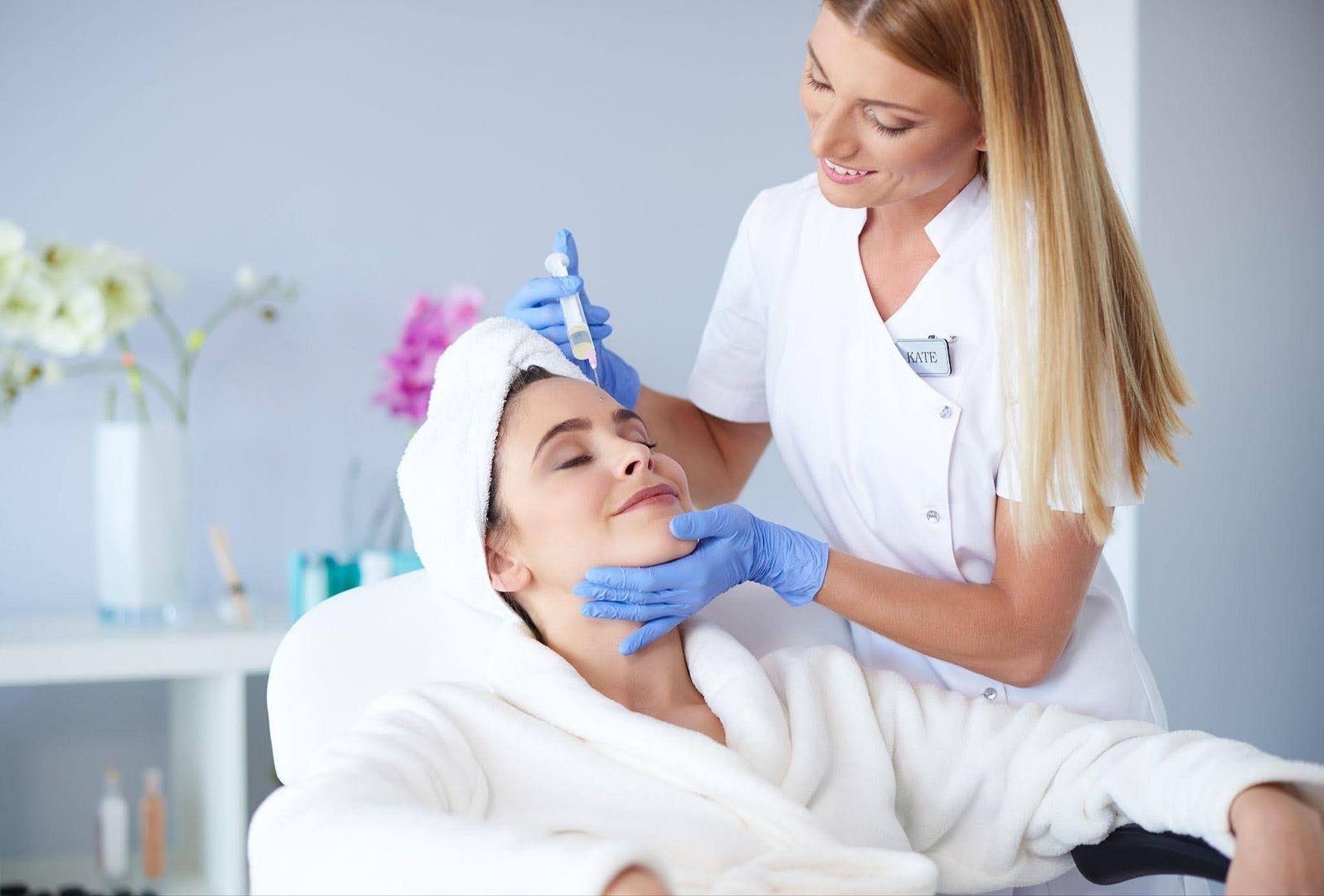
For many nurse practitioners, a focused Botox course is the first step toward work that feels creative, steady, and far less rushed than a hospital floor or a packed primary care schedule. Earning a nurse injector certification is one of the most practical ways to make that move into aesthetic medicine without starting your career from scratch.
Patient demand is a big part of the appeal. Neuromodulator injections such as Botox were the most performed minimally invasive cosmetic procedure in the United States in 2024, with close to 9.9 million treatments performed nationwide. That figure was up 4% from the year before.
This guide explains what Botox certification involves, how your clinical background carries over, what the law expects of you, and what this new career can realistically look like.
Why Nurse Practitioners Are Turning to Medaesthetics Training
Many NPs arrive in aesthetics after years in urgent care, emergency, or family practice. They often describe the same pull: they still love patient care, but they want more time with each person and more control over their day.
What makes the work appealing
- Creative problem solving. Every face is different, so treatment planning blends clinical judgment with an eye for balance and proportion.
- Predictable schedules. Most aesthetic clinics run on appointments, with few nights, weekends, or on-call shifts.
- Long-term relationships. Neuromodulator results usually last three to four months, so patients return regularly and trust builds over time.
- A calmer pace. Treatments are elective and planned, which is a welcome change from high-acuity settings.
The skills you already bring
An NP’s training gives a strong head start. You already know how to take a health history, screen for contraindications, understand how drugs act in the body, and explain risks in plain language.
Picture a family NP who has spent a decade managing chronic disease. She already documents carefully, recognizes adverse reactions, and knows when to escalate care. Quality medaesthetics training does not replace those skills. It builds facial anatomy, injection technique, and aesthetic judgment on top of them.
Can You Be a Nurse Injector as an RN?
Yes, in most U.S. states, a registered nurse can work as a nurse injector. The key difference is independence. RNs generally inject under an order or delegation from a physician, NP, or PA, often after that provider completes a good-faith exam of the patient.
NPs have more room, but rules still vary. In full practice states, NPs may assess, prescribe, and treat on their own. In restricted states such as Texas, NPs work under a prescriptive authority agreement with a supervising physician, which shapes how an aesthetic practice can be set up.
Before you treat a single patient, confirm these points with your state board:
- Who may perform the initial patient assessment
- Whether physician supervision or collaboration is required
- Who can order and purchase neurotoxins and fillers
- What your malpractice policy covers for cosmetic procedures
How Do I Become a Certified Nurse Injector?
It helps to know what “certified” means here. Botox certification is a certificate showing you completed a training course. It is not a state license, and it does not expand your legal scope of practice on its own.
What quality injector training covers
- Facial anatomy, including muscles, vessels, and danger zones
- How neurotoxins work, plus dosing and dilution
- Patient consultation, assessment, and informed consent
- Injection technique for common treatment areas
- Recognizing and managing complications, such as eyelid drooping or vascular events
- Supervised hands-on practice on live models
Practical steps to get started
- Confirm your license is active and unrestricted.
- Review your state’s scope-of-practice and supervision rules.
- Choose a course with small hands-on groups and experienced clinical faculty.
- Complete the training and keep your certificate and CE records.
- Secure malpractice coverage that includes aesthetic procedures.
- Gain supervised experience before treating patients independently.
Many NPs research a dedicated medical aesthetic training academy, such as Injector Training Academy, when comparing options for nurse injector certification. Whatever program you pick, look for hands-on hours and complication training rather than a fast certificate.
How Long Does It Take to Become a Nurse Injector?
The course itself is short. Most foundational Botox programs run one to two days, and combined Botox and dermal filler courses usually take two to three days.
Real confidence takes longer. Many new injectors spend six to twelve months treating patients under the guidance of an experienced mentor before they feel ready to work alone.
For RNs, the full path is longer still. Many employers and programs prefer one to two years of clinical nursing experience before aesthetic training. NPs already hold an advanced degree, so their timeline depends mostly on training and supervised practice.
How Much Do Botox RNs Make?
Aesthetic RN pay often ranges from about $75,000 to $125,000 a year, depending on location, experience, and how busy the clinic is. That compares with a national median of $93,600 for all registered nurses.
Aesthetic pay is often structured differently from hospital pay. Many clinics combine an hourly base with commission per unit or per treatment, so income grows as your patient list grows. NPs who later open their own practice may earn more, but they also take on overhead, marketing, and business risk.
Career Paths After Nurse Injector Certification
Most new injectors start inside an established practice. A med spa, dermatology office, or plastic surgery clinic offers steady patient flow and colleagues to learn from.
From there, the path often widens. Common next steps include:
- Advanced training in dermal fillers, skin treatments, or microneedling
- A hybrid schedule that keeps one foot in traditional clinical work
- Leadership roles such as lead injector or clinical trainer
- An independent aesthetic practice, where state law allows it
Key insights
- Your clinical background is a real advantage, but aesthetics is a new specialty with its own learning curve.
- Patient safety and complication management matter more than speed or volume.
- Steady growth usually comes from repeat patients and referrals, not quick wins.
Limitations to keep in mind
- A weekend course alone will not make you a confident injector.
- Supervision rules may limit how independently you can practice.
- Income can be uneven in the first year while you build a patient base.
- Training, insurance, and product costs add up before earnings do.
Conclusion
Nurse practitioner Botox certification is less a career switch than a career extension. The judgment, safety habits, and communication skills you built in clinical practice remain the core of good aesthetic care.
The NPs who thrive in this field tend to treat certification as a starting line, not a finish line. They keep learning, respect their state’s rules, and put patient safety ahead of growth.
So the real question may not be whether aesthetics pays well. It may be whether you are ready to apply everything you already know to a kind of care where patients leave feeling more like themselves.



