There is something immediately reassuring about Ewa Dina’s confidence. As she prepares to make her Young Vic debut, directing Theresa Ikoko’s Girls, she speaks with the assurance of someone who has spent years learning her craft and is ready to put that experience into practice. Winning the 2026 JMK Award has given her the opportunity. Now comes the work she has been waiting to do.
Born in Nigeria, raised in Sheffield, and now based in London, Ewa trained as an actor before discovering that her curiosity extended beyond the character she was playing. Her directing brings together music, movement, and an interest in what makes people feel, connect, and respond to one another. For Girls, those instincts meet a story she has been returning to for a decade.
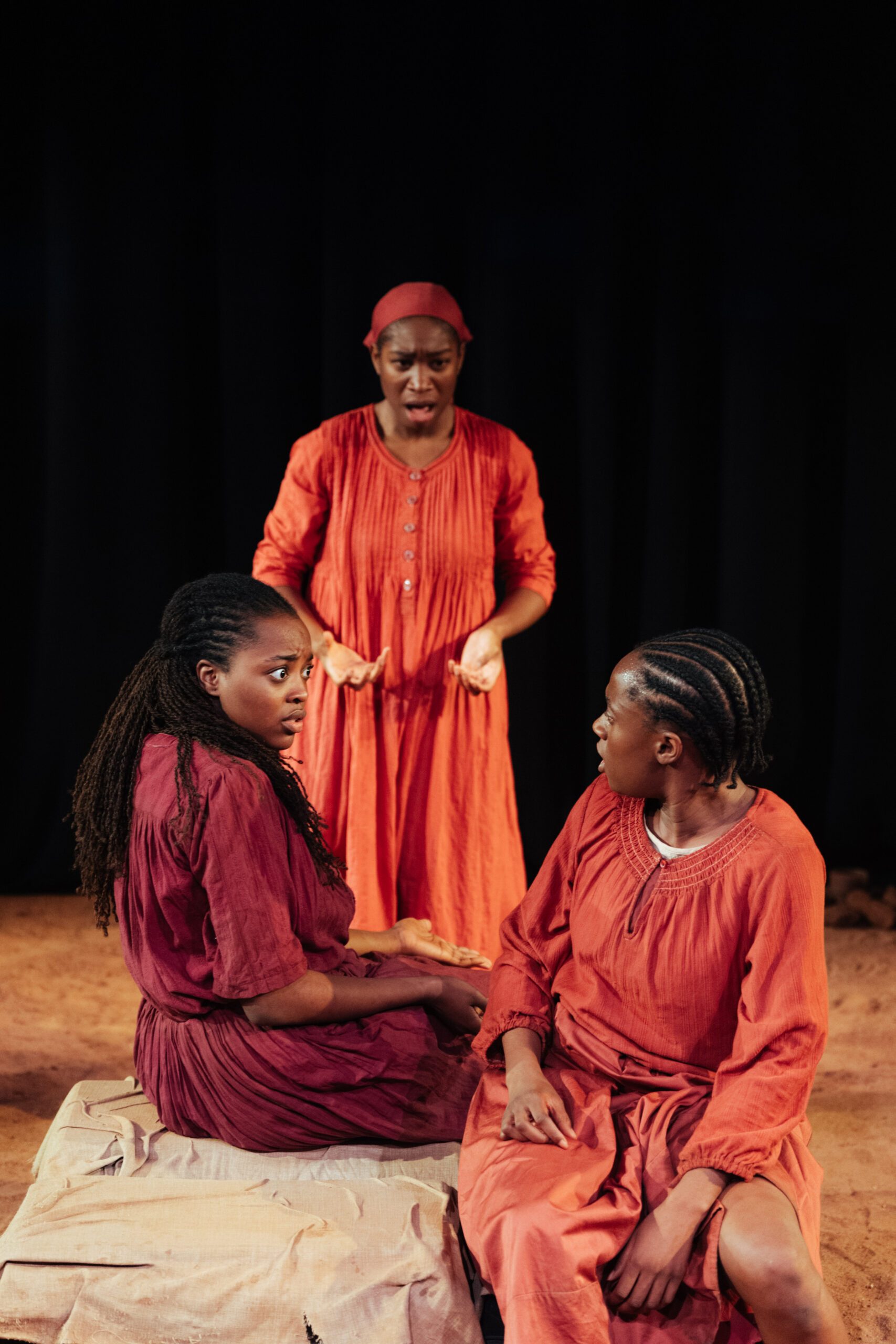
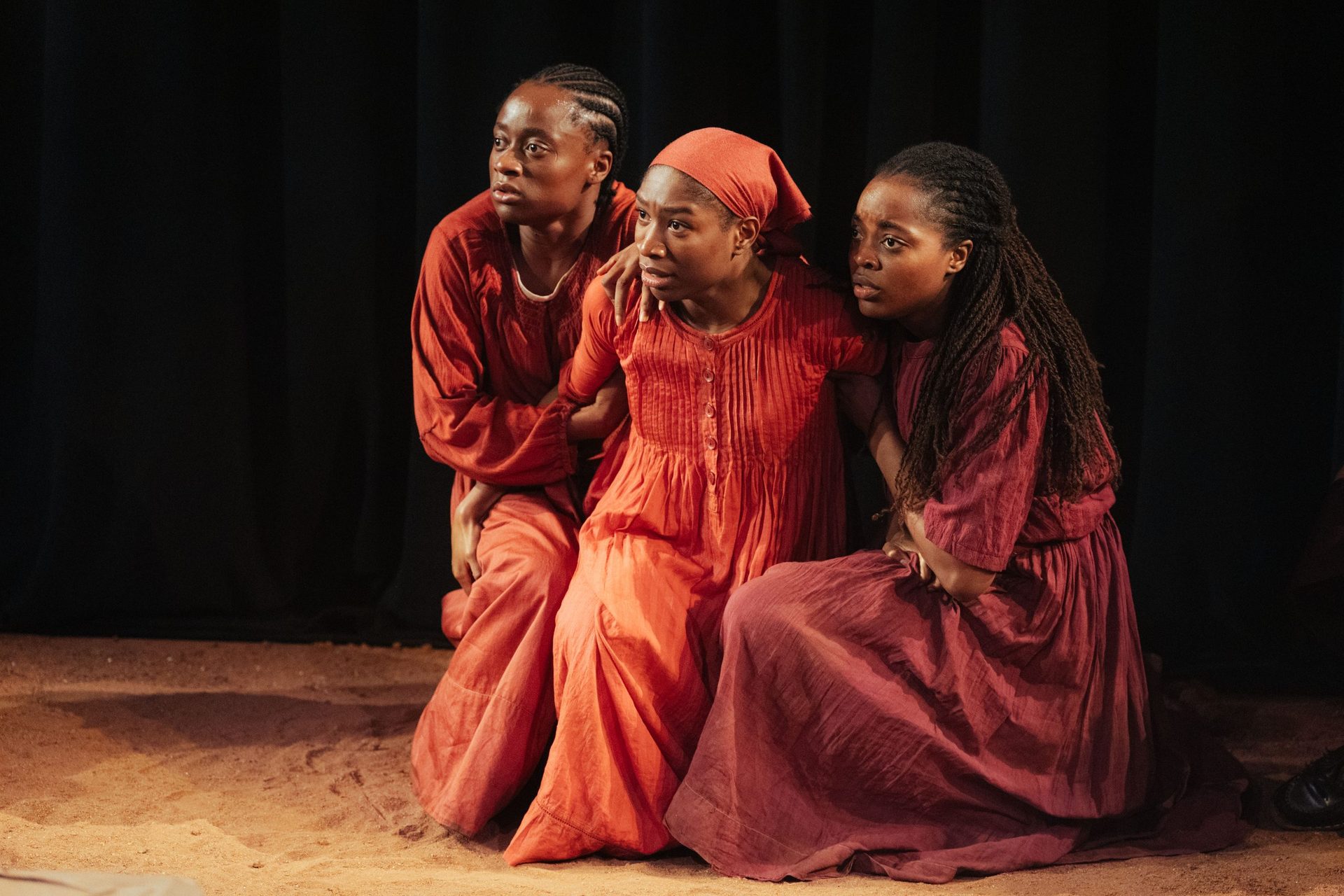
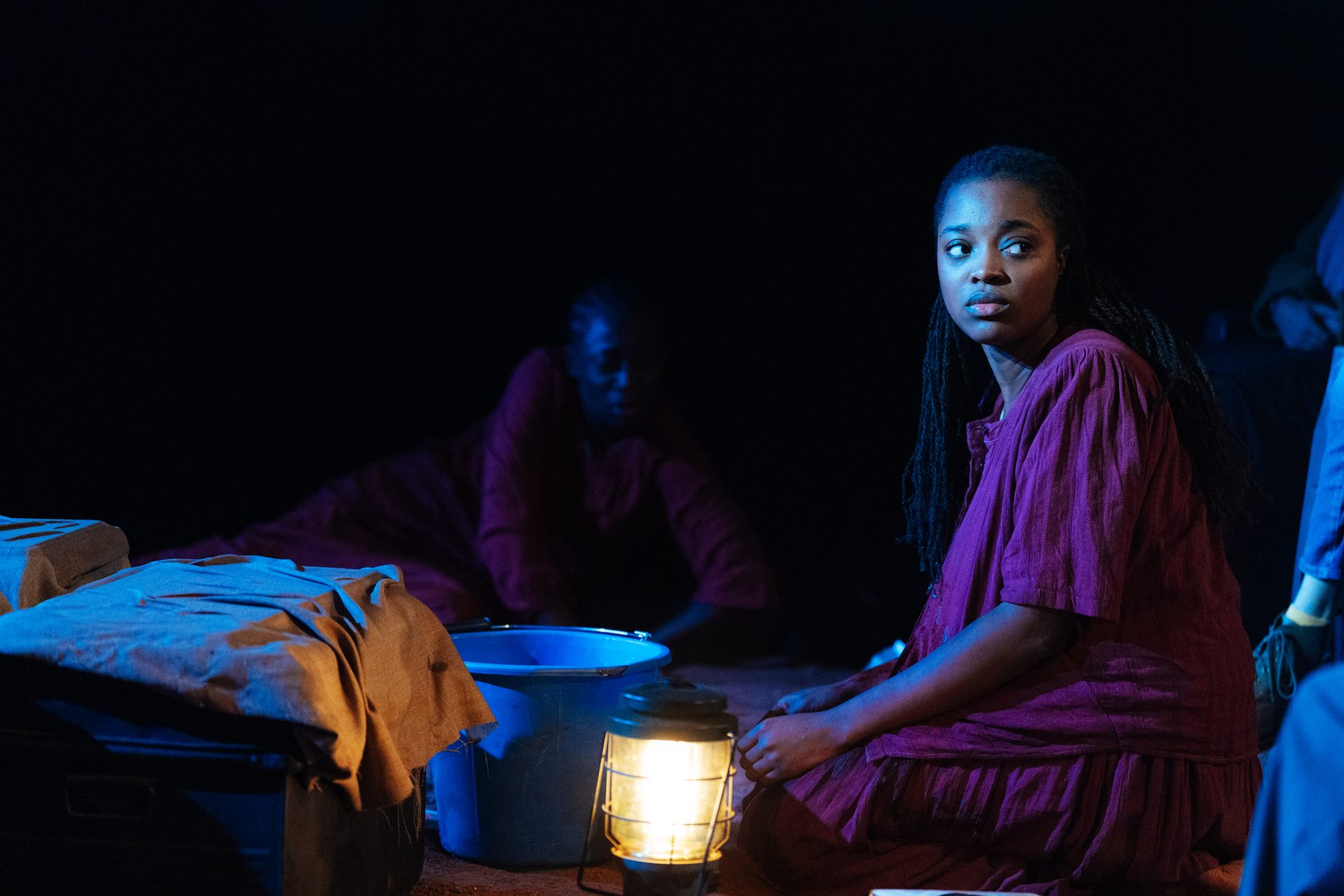
Set in Nigeria in 2014, the play follows three teenage friends whose lives are violently interrupted when they are kidnapped by militant insurgents. That April, Boko Haram abducted 276 schoolgirls from a boarding school in Chibok, northern Nigeria, prompting the global #BringBackOurGirls campaign. For Ewa, the kidnapping was a subject of urgent conversation in her family and community. Ikoko’s fictional characters gave her another way into that experience, through their personalities, disagreements, humour, and the sisterhood that sustains them.
We spoke about finding her directing voice, making space for complicated young women, and why bringing this story to the stage means allowing its girls to be fully human.
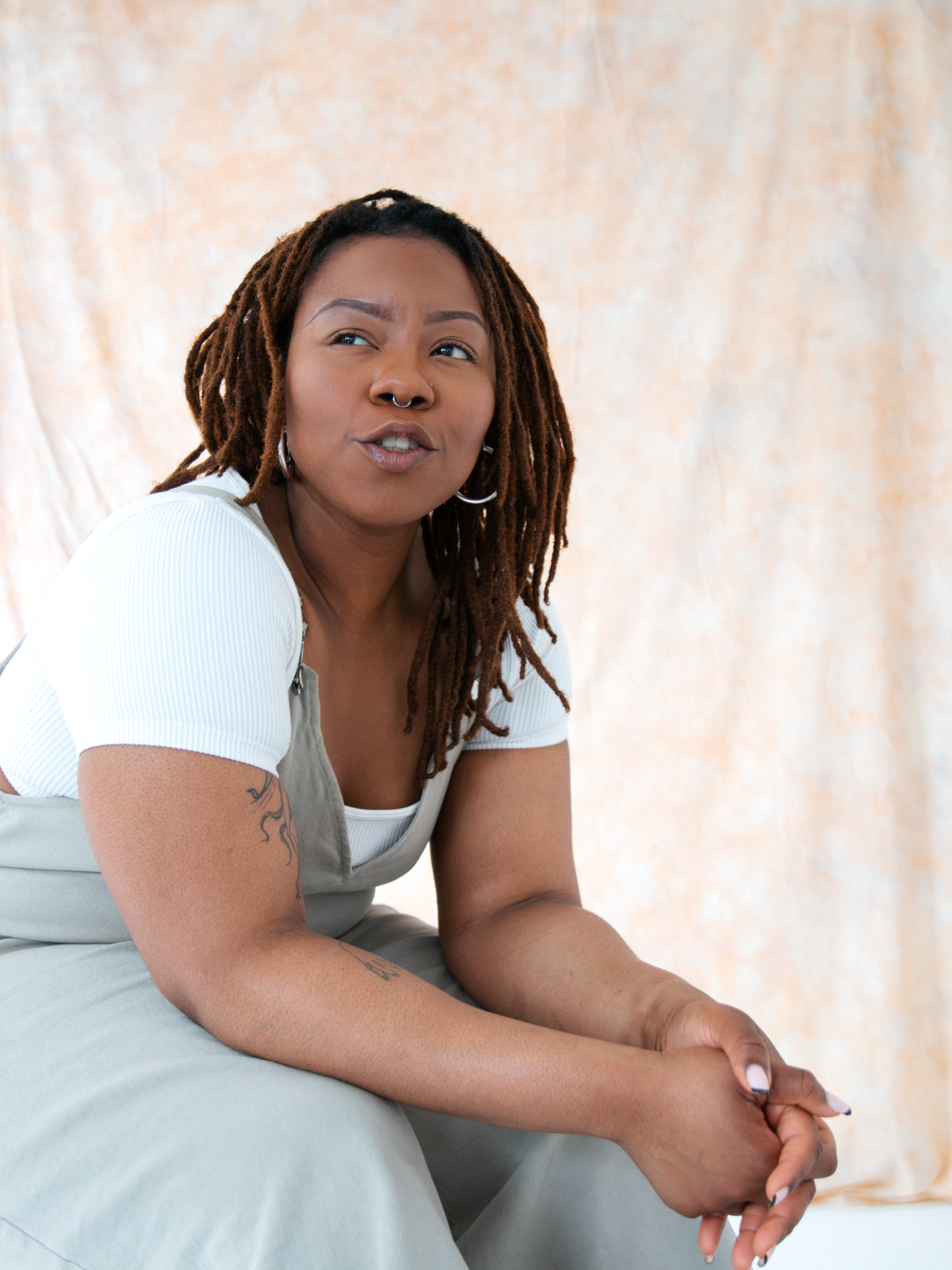
You trained as an actor. What first made you want to shape the whole production, rather than play a part in it?
I’ve always been interested in how you get inside a story. When I’ve read something and it makes me feel something, or certain parts hit me in a particular way, I’ve found that fascinating. As an actor, your job is to understand this character and their world, but I was always interested in what else was happening around them.
My acting tutor, Julian Jones, stopped me after an acting theory lesson and said, ‘I think you’ve got a director’s brain. I really think you should explore that alongside the acting.’ He gave me The Director’s Craft. I read it, and that summer I directed my first show.
My GCSE drama teacher, Mrs Richardson, had also encouraged me. When we were devising, I remember thinking, ‘I like this. I think I’m good at this.’ Julian helped me envision directing as something I could do. I kept following my curiosity, and that’s what’s landed me here.
You were born in Nigeria, grew up in Sheffield, and then moved to London. What did those places give you that you recognise in the theatre you make?
Nigeria is my home. It’s my blood. My passion, my ability to interact deeply with how I feel, my relationship to sound, music, community, and people: all of that comes from Nigeria. That’s the bedrock of who I am. Even my language, Yoruba, is very tonal. Say something one way and it means something completely different from saying it another way. It’s about sound and how sound interacts with the body.
Sheffield gave me a lot of my whimsy. I lived there from five to 18. I didn’t speak much English when I arrived, so I watched Disney Channel, Nickelodeon, and Cartoon Network. That was part of how I learned English. For ages, I had this hybrid Nigerian, kind of British accent. Sometimes the Northern sounds still come out when I’m tired.
I fell in love with theatre there. Between my school drama teacher and Sheffield Theatres, that was what pushed me towards doing this. I was part of Sheffield People’s Theatre, and Daniel Evans wrote my drama school reference.
London has taught me how to be an adult and refined my craft. I’ve found a lot of my creative voice here. Everything before that is the foundation, but in London I feel like I’ve become a woman and become an artist.
You’ve described Girls as a story very close to your heart. What was it about these three girls that made you want to direct it?
I remember when the Chibok girls were taken. My parents had lived their lives in Nigeria and moved here to give me and my sister different opportunities. It was a big topic of conversation in my house and in our church. My grandma, aunts, and uncles were calling from Nigeria. Everybody was talking about it.
In my small microcosm of the world, it was massive, but outside that it didn’t feel the same. I felt connected to them because I was born in Nigeria and could have lived there. Even though I’m not from the north, I felt that could easily have been me.
When I read the play, it felt as though something I’d been feeling had been reflected in a text. It was one of the first things I read when I moved to London for drama school, when I was asking who I could model myself after as a Black British actress.
It’s been a ten-year journey of coming back to it. As I’ve grown as a director, I’ve kept re-encountering it and feeling it’s my purpose, my duty, to put it on.
And there’s the sisterhood. My life is upheld by sisterhood. I live with two Black women who are among my closest friends. Sisterhood has defined me, held me, wiped my tears, made me laugh, and reaffirmed me. That’s what these girls give each other.
The play premiered ten years ago. What feels different about bringing it to an audience today?
The way you could put on theatre and allow it to feel authentically connected to a particular culture was different ten years ago. I’m not talking specifically about this play’s premiere. I mean the wider climate around non-British stories. There could be a hesitancy about being culturally specific.
Audiences have more awareness of different cultures now. In the last ten years, we’ve seen Afrobeats and Nigerian culture blow up. Wizkid has reached a whole new market. You’ve got Omah Lay, Asake, and Davido, artists who have paved the way for a new wave of art.
I’ve seen that begin in music and spread into visual art, television, and theatre. There is space for risk. There’s also me as an artist, wanting to interact with the play in my own way. The ground is fertile. There’s more space to be honest, daring, and authentic to these girls.
Do you feel British theatre has become more open to Black stories and the artists telling them?
I do think there’s more space. Ten years ago, I don’t know how something like For Black Boys would have been received, or how open non-Black British audiences would have been to allowing that story to affect them. It doesn’t mean these things weren’t being put on then. There’s more space now.
You have artists like Lynette Linton and Ryan Calais Cameron doing exciting work. Their bravery has paved the way for someone like me, whose style is slightly abstracted and experimental, but also grounded in realism.
Miranda Cromwell was someone I did one of my first assisting jobs with. She changed how I saw theatre and opened so much up for me. These artists have paved the way, so now we can be even bolder.
Someone hearing the premise might expect an evening of relentless suffering. What would they be missing about these girls, and the play?
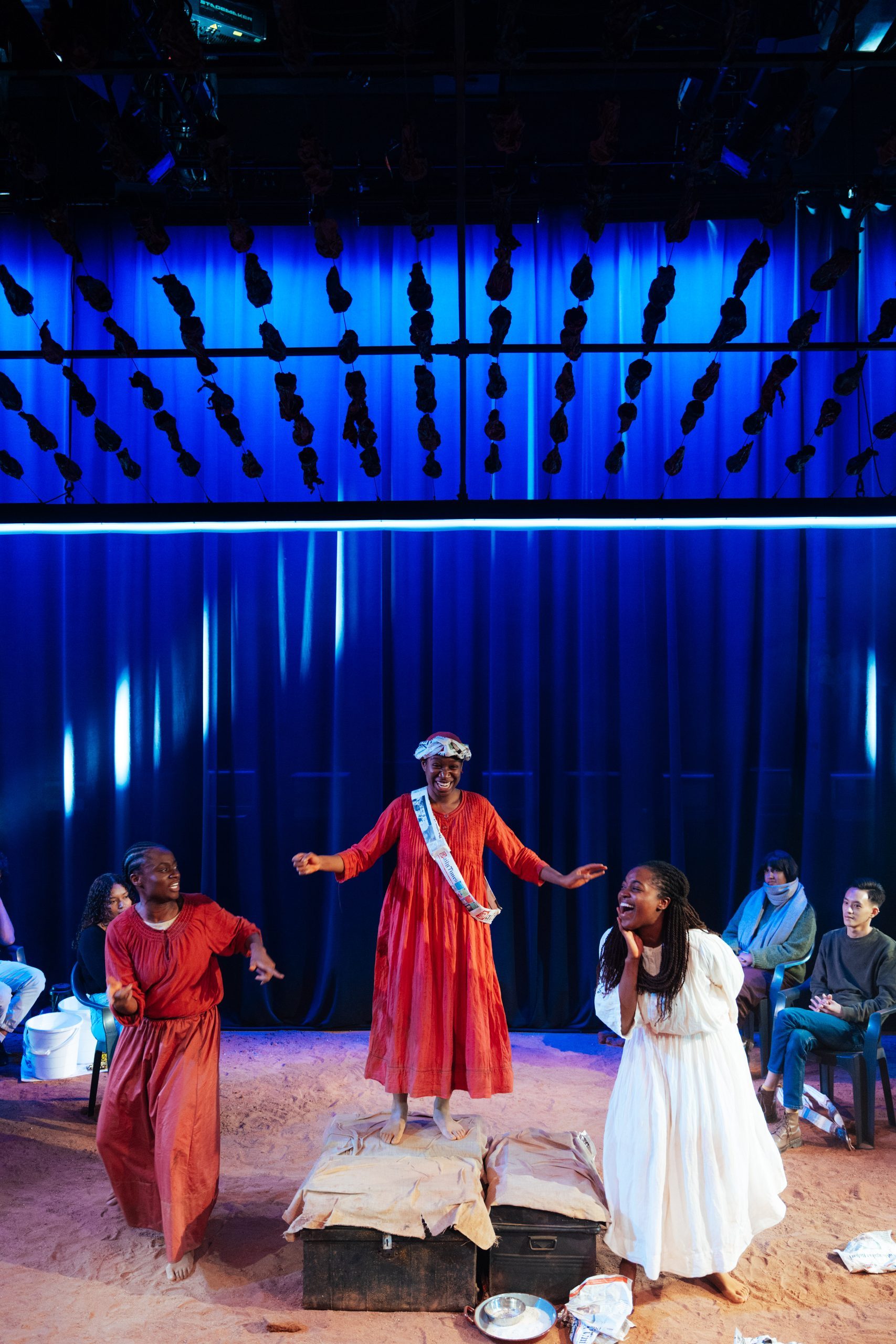
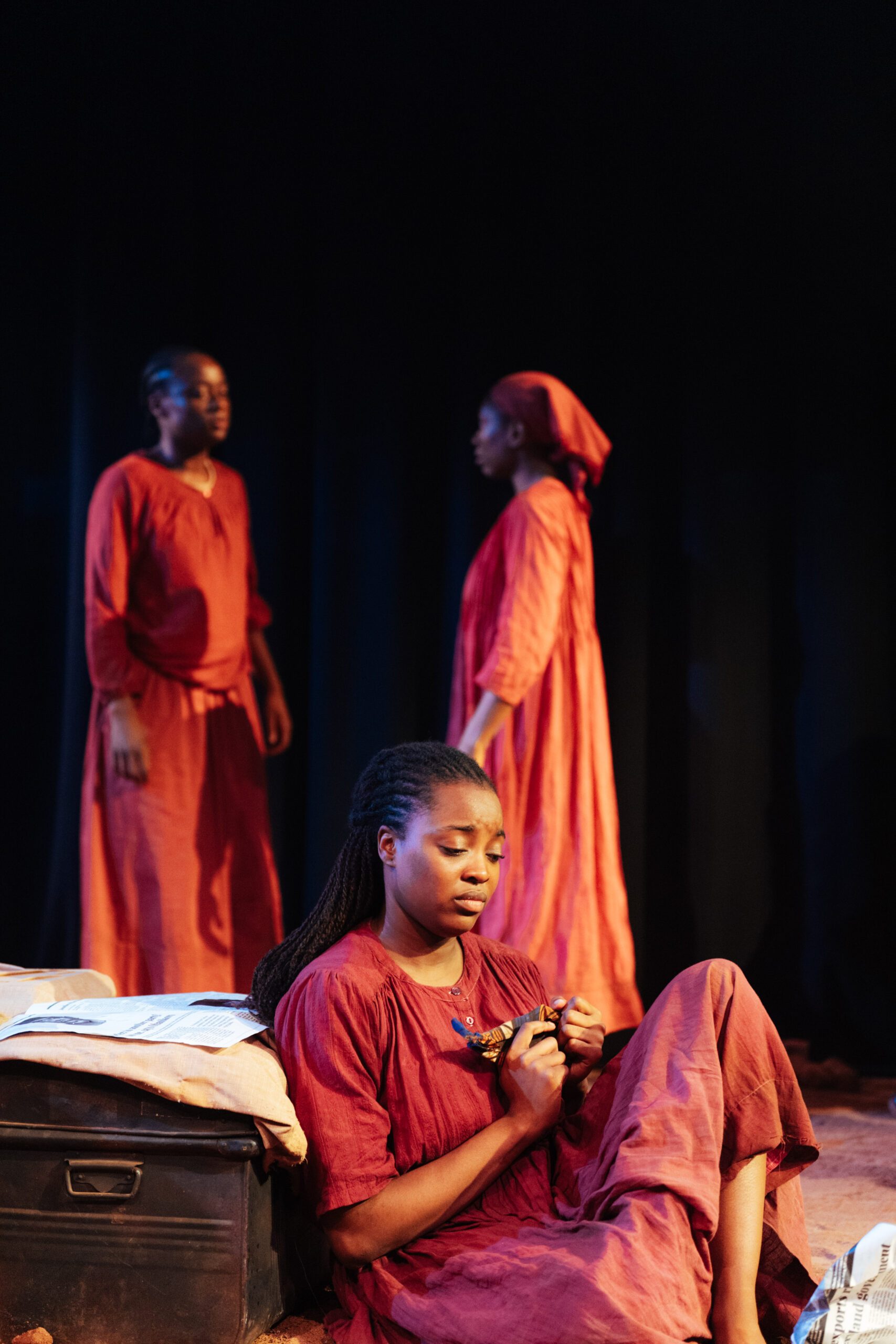
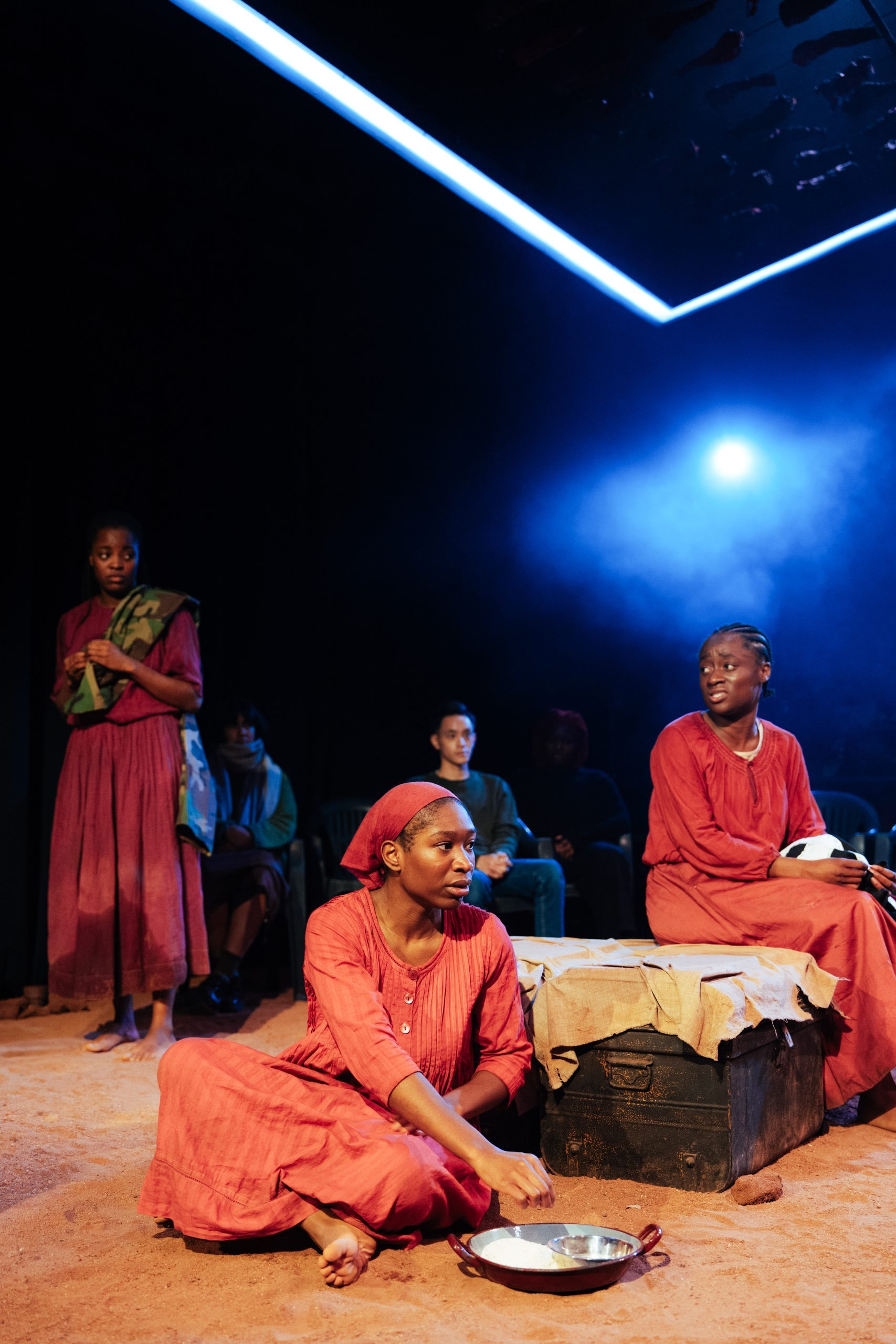
I understand why someone might think they’re going to watch Black women go through trauma. But there’s so much joy in their sisterhood and their relationship. There’s laughter and these sweet, delicate moments. They’re children at the end of the day.
Yes, they’re in extraordinary circumstances, but they’re still young, petulant, and full of joy. They’re young people trying to figure it out.
I hope the production straddles those worlds, so we interact with the truth of their situation without diminishing them to products of their circumstances. We can still hold them as full human beings.
You can look at a 16-year-old walking down the street in central London and recognise that a Chibok girl could be that person. That gap is what I’m trying to bridge.
How do you give them room to be teenagers without feeling you have to make them admirable all the time?
It’s about chasing the truth of the situation. Yes, they’re kids in extraordinary circumstances, but they’re also fallible. They do things that are wrong. They have characteristics that aren’t great.
In rehearsals, I keep pushing for the truth, beyond simply sympathising with someone. Who are they really? What are their good bits? Their bad bits? Who is the human, and how does this particular human interact with these other two humans?
They are not their situation. Eventually, it becomes their everyday. That doesn’t mean it stops affecting them, but sometimes they push through something, and sometimes they hit a wall. Something changes or shifts them, and then they’re back to laughing and giggling.
It’s finding those peaks and troughs without colouring everything with the same shade of sadness. I don’t believe that’s the story Theresa has written.
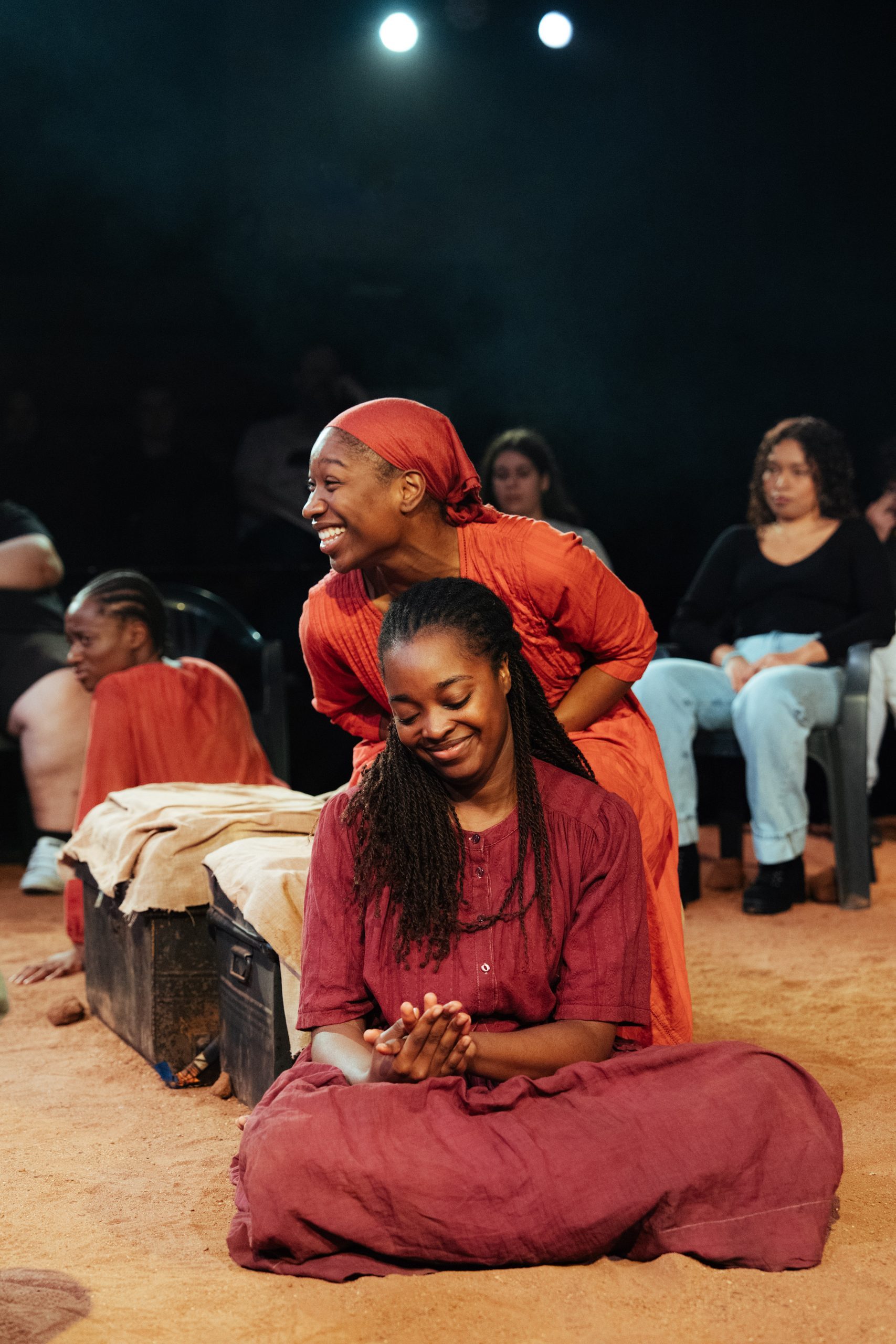
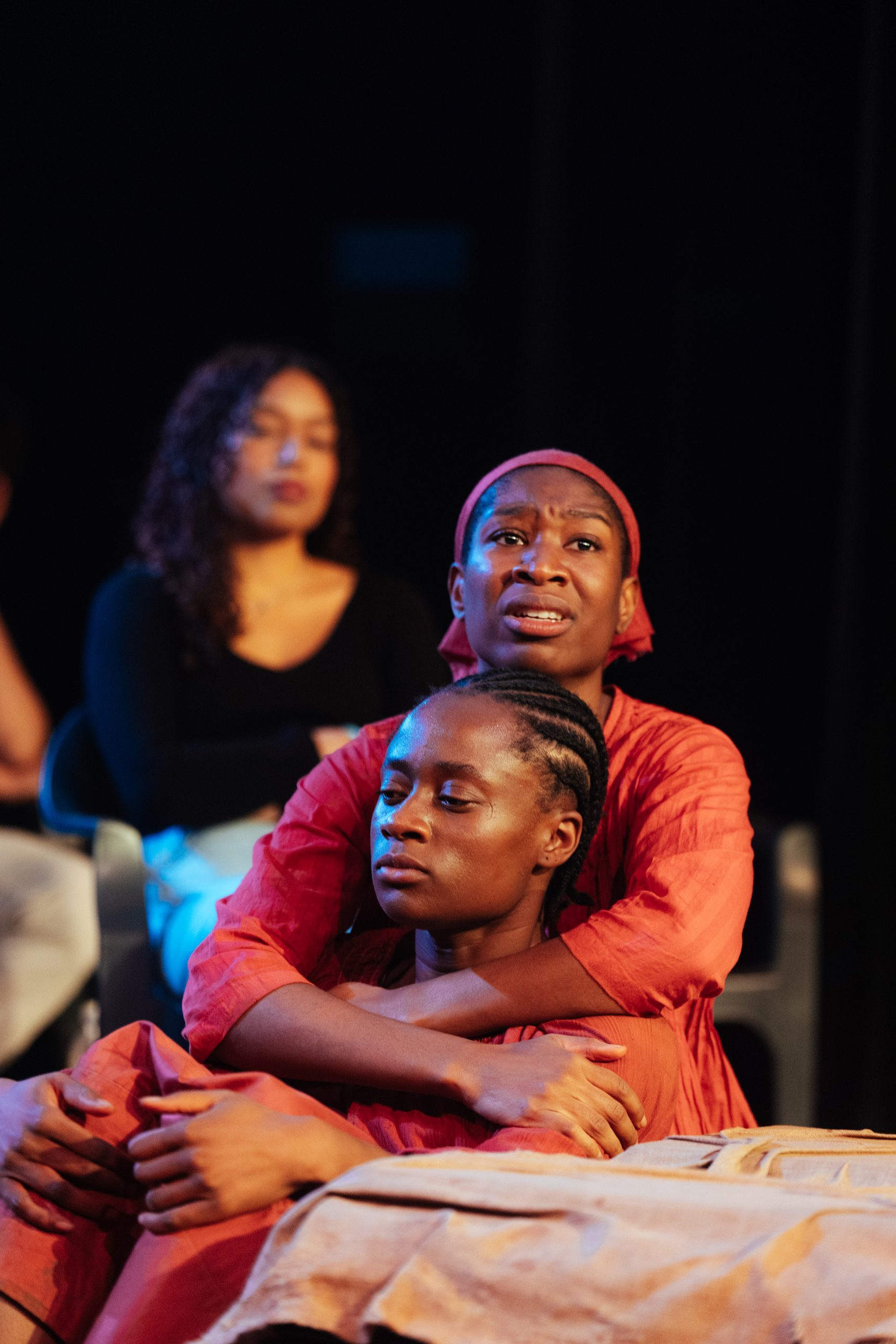
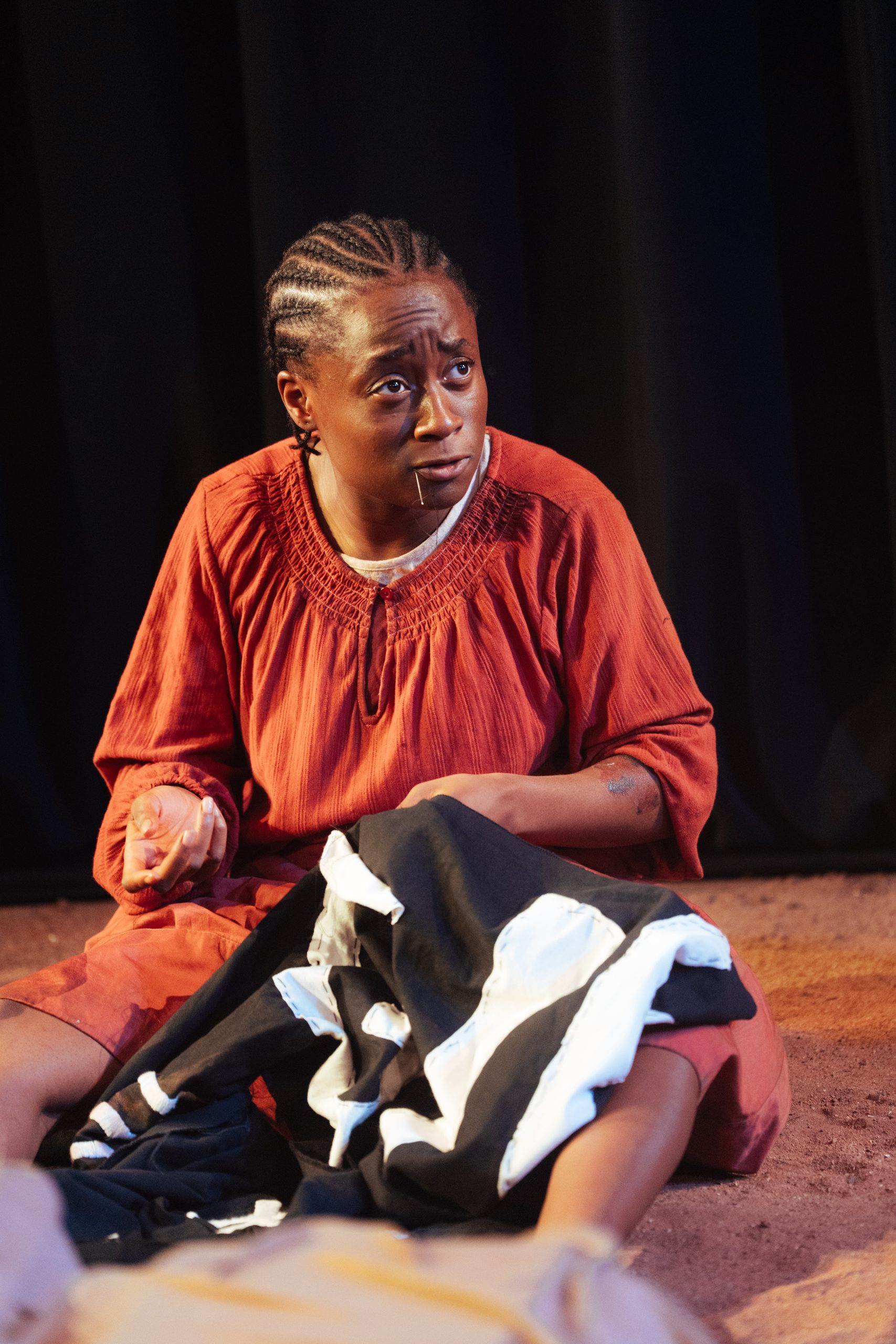
Their friendship sustains them, but they don’t always agree about how to survive. Where does protecting a friend start to become trying to control her?
When you’re put in extraordinary circumstances, there’s that fight, flight, or freeze response. I think the three girls tend towards those different camps. They push each other to do what they think is right to get out or survive.
That’s where a lot of the conflict lies: one character saying, ‘No, this is the best way’, and another disagreeing.
But perhaps because of how much they love each other, I don’t think it ever becomes control necessarily. There’s the attempt at control, but every time one of them hits that point of no return, of completely breaking the relationship, they find a way to come back to each other.
What have the actors revealed about these characters that you hadn’t seen on the page?
When I was at the Donmar, I did three days of research and development on the play. The three actors in this production were part of that. When I won the JMK Award, I still went through a full audition process. I didn’t want to stay attached to one version of the show.
A surefire way to know someone is right is if they teach me something about the character. Haleema can be seen as hard-headed, very Nigerian-auntie-coded. But Tara Tijani showed me someone petulant, who wasn’t fully hardened yet, with a lot of care and hurt. That opened up my world.
Sewa Zamba showed me a Ruhab who is trying to survive, caught between what she feels she should be doing and what her heart wants. In a world where how you look is social currency, and you’re taught that from a young age, it informs your choices.
Tisana could easily seem playful, unserious, and light. Hannah Akhalu showed me her hardness, strength, and stubbornness. That’s why she doesn’t conform.
All three taught me something. I believe the nuance and dexterity with which they hold these stories will open up an audience’s world too.
Music and movement are central to your work. What can they express in Girls that dialogue alone couldn’t?
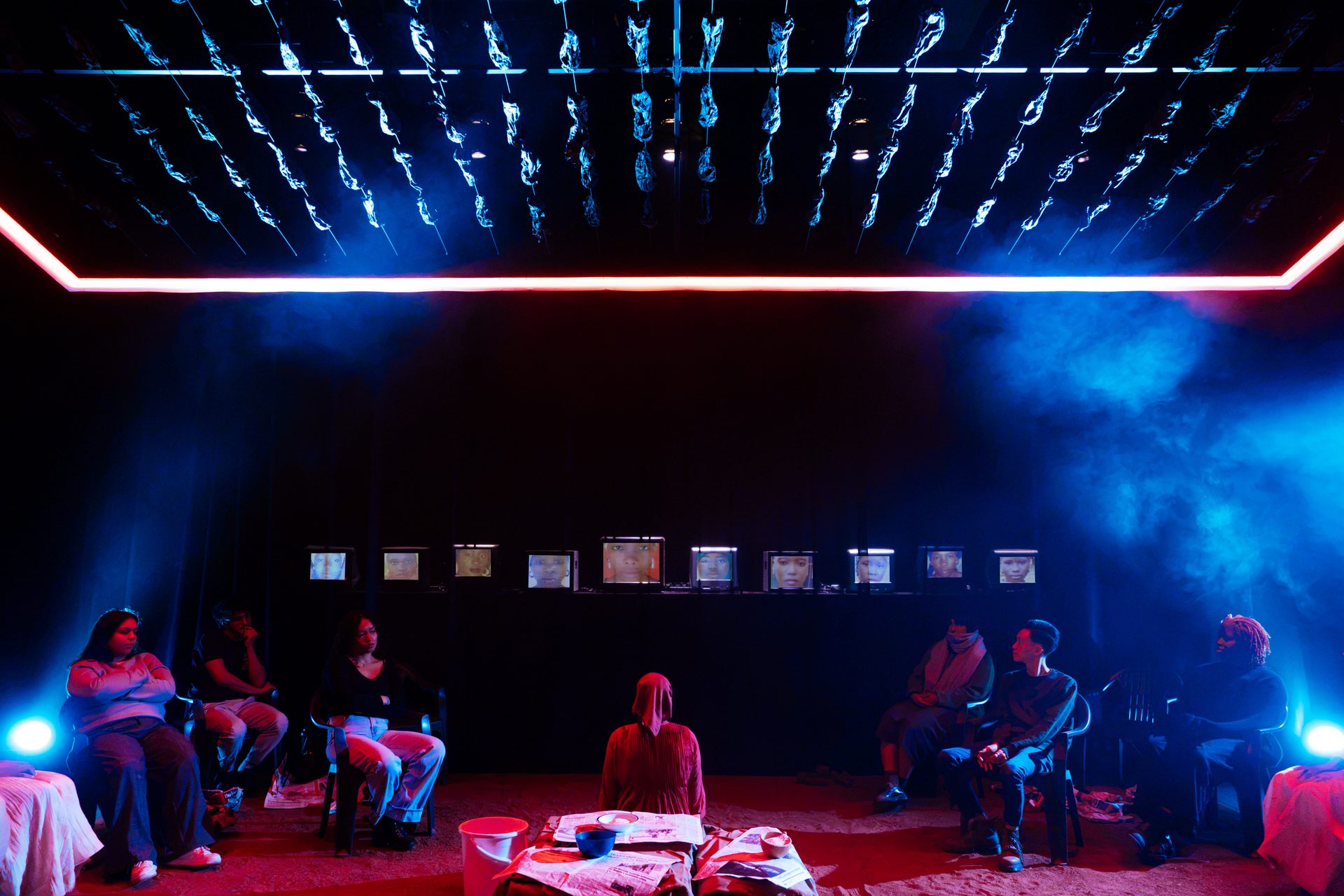
There are scenes with no words, just stage directions, that have to convey a moment in time. For one of those scenes, I initially created a structure for the story. Then our composer, féz, made music, and our sound designer, Tida [Munotida Chinyanga], created these little tendrils of space to highlight particular things.
If you come into my rehearsal room, a lot of the time I’m sitting there listening. I’ll play it again, listening, thinking, and feeling, then shape it with the sound. Sometimes the composer is there and I’ll say, ‘We need to add this quality to this section.’ He’ll edit it live, and we make it work together.
Everything informs everything else: the staging, the movement, the sound, and the music. I have to use all of them in the making, rather than stage it and put everything else on top. It all has to live and breathe together.
With material this difficult, what does leading rehearsals with compassion look like?
Have a dramatherapist! Samantha E. Adams came in during our first week and gave us a wellbeing session. The actors have also been having sessions with her outside rehearsals, which is useful.
I don’t know how many times I’ve cried in that room watching something because I care about the story. Sometimes you have to allow that. If we do something particularly heavy and everybody’s in tears, we stop, breathe, laugh, and move on. It’s accepting that as part of the process while knowing we have a job to do.
The other thing is tangents. It’s easy for everything to become heavy. Letting someone talk about something random, a memory or something that happened at the train station, means everybody laughs, then we go back to work. Those moments of air, joy, and release are necessary.
I lead with love and care. I try to be open and vulnerable so the actors, stage management team, and creatives feel safe too. I don’t know if it’s the perfect way, but it’s what I’ve been trying.
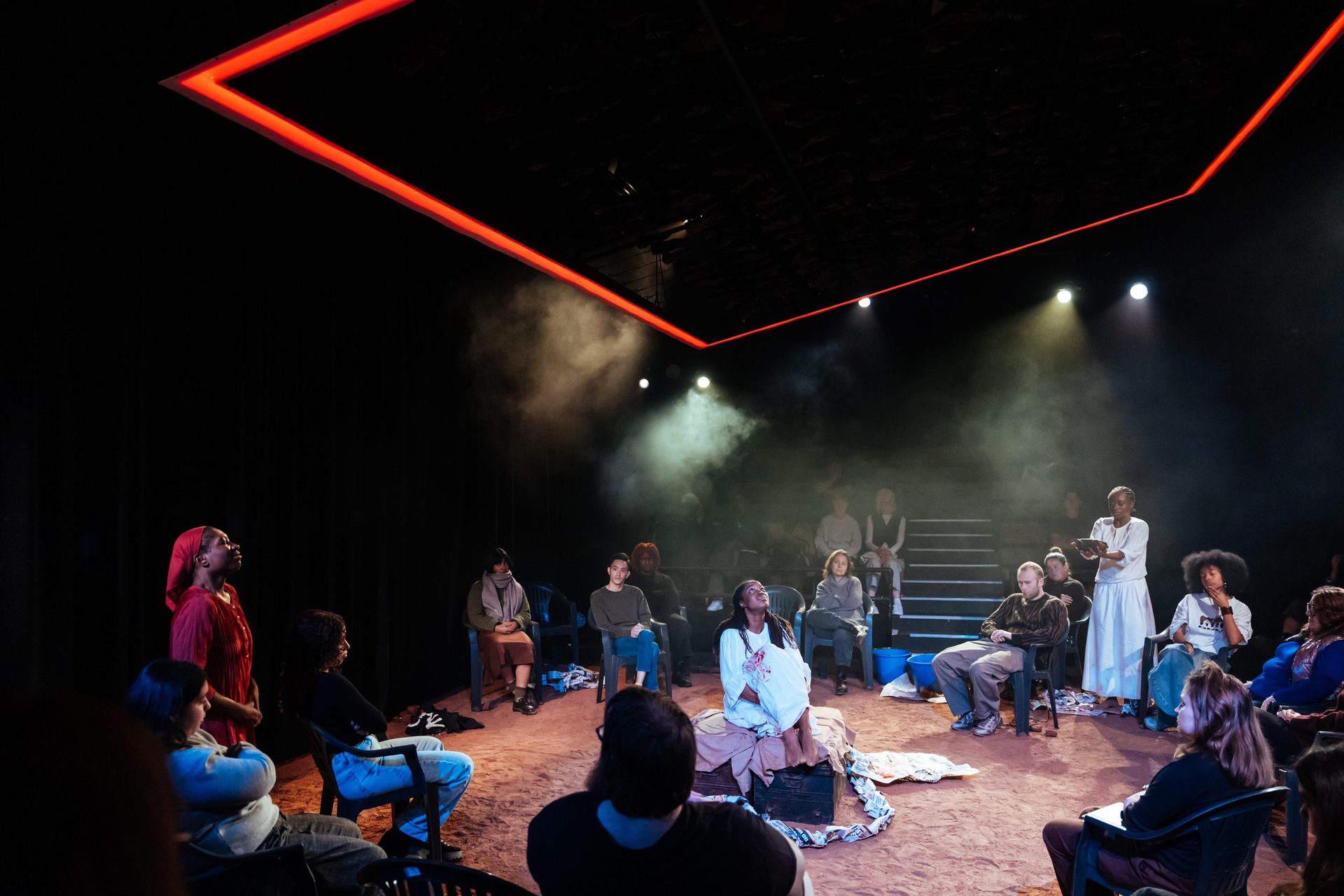
What does winning the JMK Award mean to you at this point in your career?
I directed my first show in 2017. I’ve learned a lot and worked in different rooms, but around three years ago I realised I needed to do it. Not that I’d learned everything, but I knew I had a slightly unconventional way of telling stories and needed to figure it out through making work.
The gap between being early-career, mainly assisting, and being the lead director is a difficult chasm to cross. It’s about trust. Often you need to have made your big show that tells everyone who you are as a director.
I needed a show I cared about, that represented me and my style. I quickly realised Girls was that show. But I would still have had to approach theatres and ask them to trust me: ‘I promise I can. Let me prove it.’
Winning JMK tells the industry that you can. But the most important thing is that I’ve worked to reach a point where I understand myself, my art, how I run a room, and what I care about. I don’t know exactly what a show will be, but I know how to take it on.
Now I feel fighting fit. Every experience, every amazing thing, every awful thing, every challenge, and everything I learned as an actor: I’m using it all. I get to put my practice into action. That’s the privilege.
What do you hope people take away from spending time with your Girls?
I hope they allow themselves to be curious, and I hope it starts a conversation. Some of those girls have never returned home. Some have returned and been ostracised from their communities because they have children from that time. Their lives have been forever changed, and I think it feels as though the world has forgotten.
I know I can’t necessarily fix anything by putting this on. But I hope people leave and research, talk about it with a friend, or look at organisations involved with the girls. They follow their compass. They care.
That’s really what I want: that they care. They might look into the situation in northern Nigeria and what’s happening with Boko Haram. I want people to be curious, ask questions, and talk about it.
Girls is playing at the Young Vic’s Maria Theatre until 21 November 2026.
Book your tickets at youngvic.org
Words by Nick Barr
Portrait Photography by Lovely Headshots
Production Photography by Helen Murray