
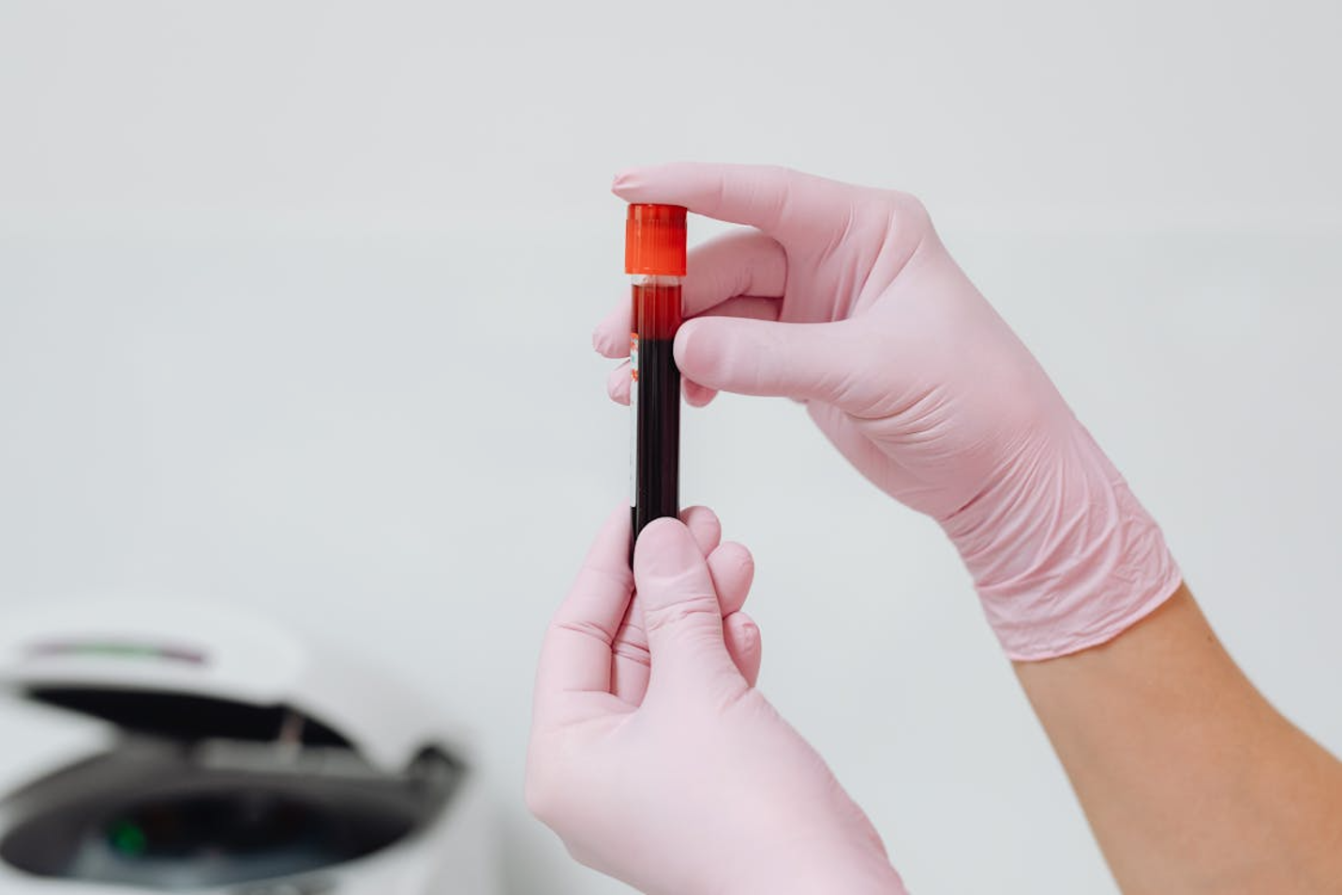
Blood tests are one of the most common checks used in healthcare. You may have had one during a routine check-up, before surgery, or when a doctor wanted to look deeper into how your body is working. While the idea of blood tests can feel worrying to some people, they are actually a helpful way to understand your health before problems become serious.
This guide explains what blood tests are, what they can show, and why they matter. You do not need medical training to understand the basics. Knowing what your results mean can help you feel more in control and more confident when speaking to healthcare staff.
What Is a Blood Test?
A small sample of blood is taken for a blood test, usually from your arm. This sample is then sent to a lab where it is checked for different things, such as cells, sugars, fats, or signs of illness.
Each blood test looks at something specific. Some tests check how well organs are working. Others look for signs of infection, swelling, or long-term health conditions. A single blood sample can often be used for many tests at once.
Why Blood Tests Are Important
Blood moves through your whole body. It carries oxygen, nutrients, and waste. Because of this, changes in your blood can show early signs that something is not quite right.
Blood tests can:
- Find problems before symptoms appear
- Help explain ongoing symptoms
- Track long-term conditions
- Check how well the treatment is working
- Give peace of mind when results are normal
Many health issues are easier to manage when found early. Blood tests play a key role in that early check and are part of broader strategies supported by the WHO overview of preventive healthcare to maintain wellbeing.
Common Types of Blood Tests
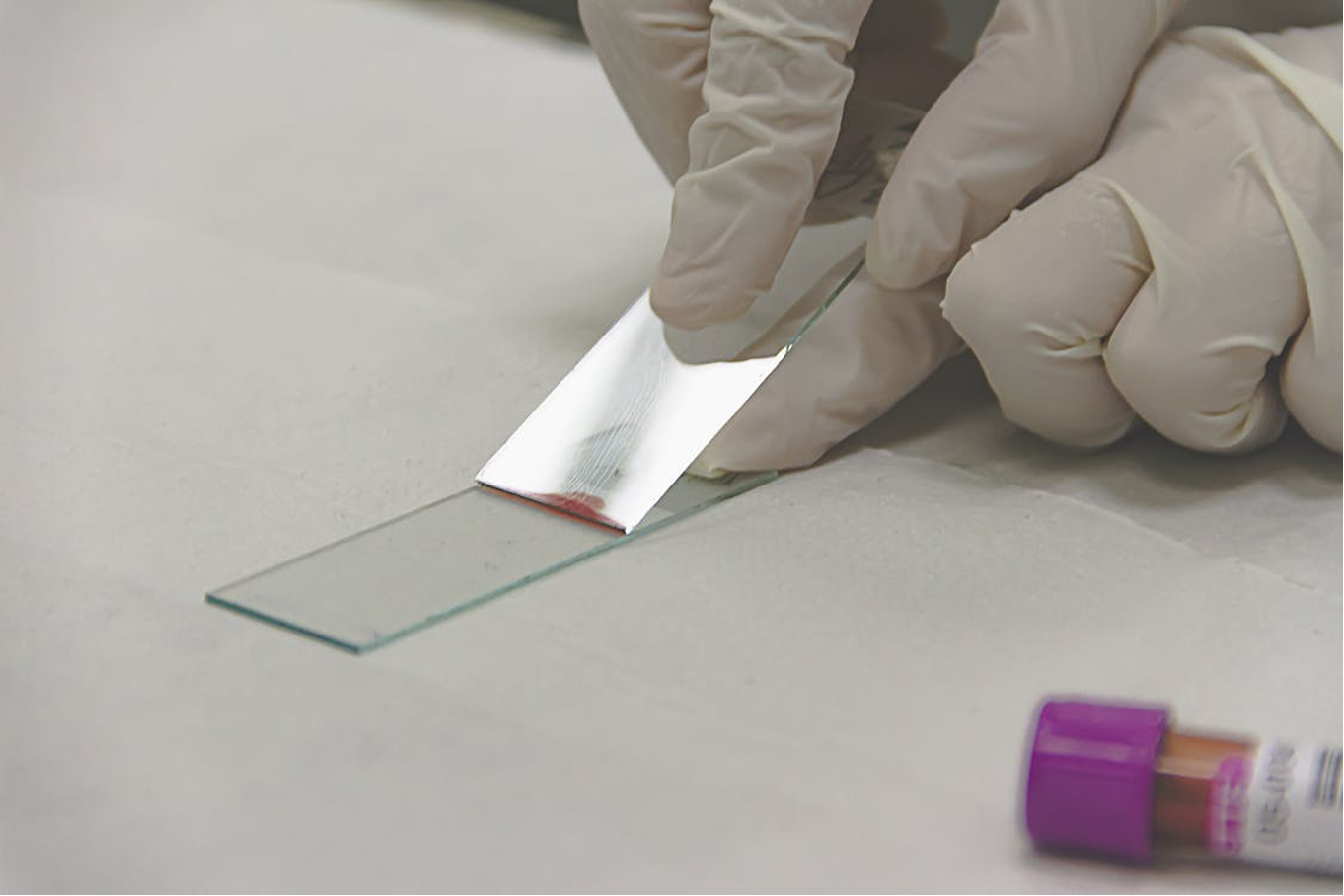
There are many types of blood tests, but some are more common than others. Below are some of the tests you are most likely to come across.
Full blood count
This test looks at the main cells in your blood:
- Red blood cells, which carry oxygen
- White blood cells, which help fight infection
- Platelets, which help blood clot
Anaemia, immune system issues, or infection can all be detected by a complete blood count.
Cholesterol test
This test checks the fats in your blood. It usually measures:
- Total cholesterol
- LDL or low-density lipoprotein (often called “bad” cholesterol)
- HDL or high-density lipoprotein (often called “good” cholesterol)
Heart disease and stroke can be increased by high cholesterol. Many people with high cholesterol feel completely fine, which is why testing matters.
Blood sugar test
Blood sugar tests measure how much sugar is in your blood. They are often used to check for diabetes or pre-diabetes.
If blood sugar stays high for a long time, it can damage blood vessels, nerves, and organs. Early testing allows people to make changes before serious harm occurs.
Liver function test
These tests evaluate the function of your liver. The liver helps clean the blood, stores energy, and supports digestion.
Results can show signs of liver strain, damage, or swelling. Causes can include alcohol use, infections, or certain medicines.
Kidney function test
Kidney tests measure waste products in the blood. Healthy kidneys remove the waste and excess from the body.
If these waste levels rise, it may suggest that the kidneys are not working as well as they should.
Thyroid test
The thyroid is a small gland in the neck that controls energy use in the body. Thyroid tests check hormone levels to see if the gland is overactive or underactive.
Thyroid problems can affect mood, weight, heart rate, and energy levels.
What Your Health Can Be Revealed by Blood Testing
Blood tests do more than confirm illness. They give an insight into how your body is coping day to day.
Signs of infection or swelling
Changes in white blood cells can show that your body is fighting an infection, even if you do not yet feel unwell.
Risk of long-term illness
High cholesterol or blood sugar levels can point to future risks. This allows time to make lifestyle changes or start treatment early.
Nutrient levels
Some blood tests check levels of iron, vitamin B12, or vitamin D. Low levels can cause tiredness, weakness, or low mood.
Organ health
Blood tests help show how well major organs are doing. This is useful for people with long-term conditions or those taking regular medication.
Overall balance
Your blood can reflect hydration, hormone levels, and how your body responds to stress or illness.
Understanding Your Results
Blood test results often come with a reference range. This shows what is seen as normal for most people.
Being slightly outside the range does not always mean there is a serious problem. Results must be looked at alongside:
- Your age
- Your symptoms
- Your medical history
It is always best to discuss results to help you understand what they mean with a healthcare professional.
How Often Should You Have Blood Tests?
There is no single answer. Your age, health, and risk factors all play a part. Some people may only need blood tests every few years. Others may need them more often due to long-term conditions or family history.
Regular health checks, including blood tests, are often part of private health screening services, such as those offered by providers like Vista Health, or recommended under NHS Preventive Healthcare guidelines, which use blood testing as one part of a wider health review.
Preparing for a Blood Test
Some blood tests require fasting, which means not eating or drinking anything except water for a set time before the test. Others do not.
You may be asked to:
- Avoid food for 8–12 hours
- Drink water to stay hydrated
- Avoid heavy exercise before the test
Always follow the instructions given, as this helps ensure accurate results.
Are Blood Tests Safe?
Blood tests are very safe. The most common side effects are mild and short-lived, such as:
- A small bruise
- Slight soreness
- Light-headed feeling
Serious problems are very rare. If you feel anxious about needles, let the person taking the sample know. They are trained to help you feel at ease.

Blood Tests and Peace of Mind
One of the biggest benefits of blood tests is reassurance. Normal results can ease worry and confirm that your body is working as it should.
For those with health concerns, results give clear facts rather than guesswork. This helps guide next steps, whether that is lifestyle changes, further checks, or treatment.
Final Thoughts
Blood tests are a simple way to learn about your health. They can spot early signs of illness, track ongoing conditions, and support better health choices.
You do not need to understand every number to benefit from testing. What matters is knowing why tests are done and feeling comfortable asking questions about the results.
Whether as part of a routine check or a specific concern, blood tests help turn hidden signs into useful knowledge. That knowledge can support a healthier, more confident approach to your wellbeing.



