It’s such a cliché to use terms like ‘knockout’ in reference to a boxing play, but Golden Boy at the Almeida knocked me out, off my chair, and halfway down the street with the sheer force of talent, story, and direction.
Josh O’Connor, known to many as young Prince Charles in The Crown, stars as Joe Bonaparte, a talented young violinist growing up in Depression-era New York. Music offers him fulfilment, but he yearns for fame and fortune, something that his other talent, boxing, offers a much better shot at. There is, of course, one fairly significant problem with that career combination: the hands he needs to make beautiful music are also the ones he needs to punch people.
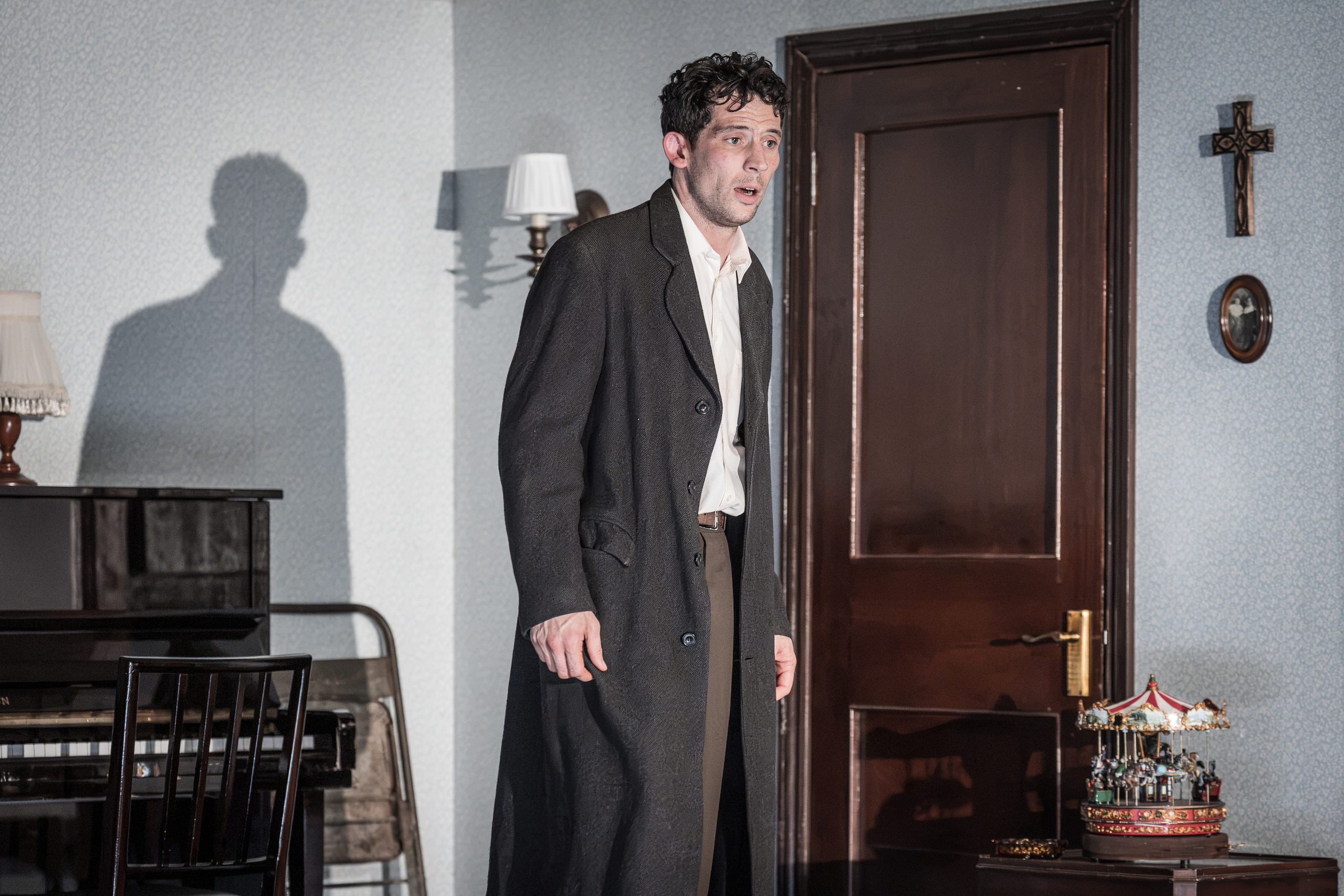
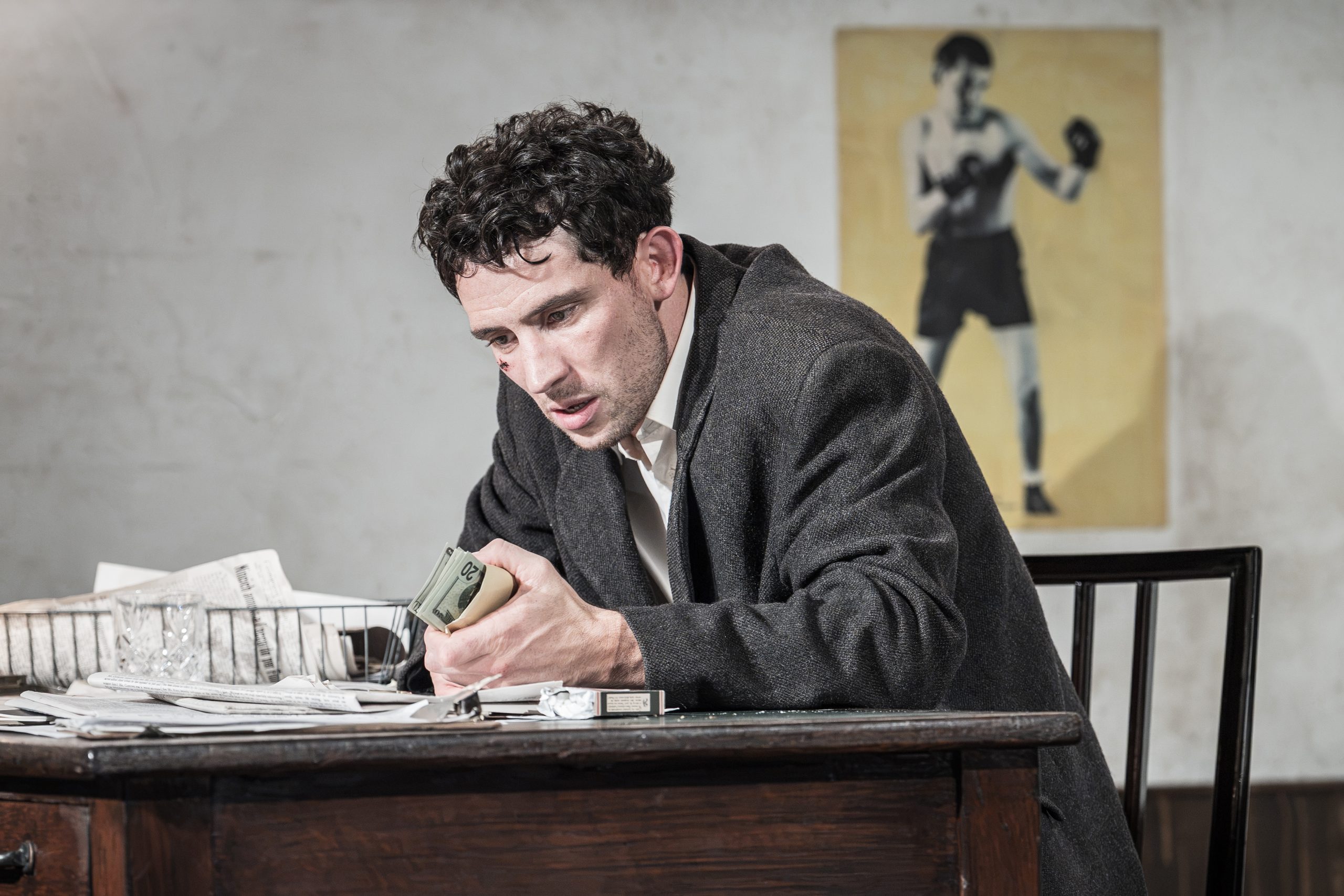
Written by Clifford Odets in 1937, the play follows Joe as he pursues success in the ring, surrounded by people with very different ideas about what success should mean for him. His father wants him to nurture his musical gift. His manager, Tom Moody, sees a chance to turn his own fortunes around. Joe wants to be somebody, and money seems the quickest way to prove that he is. Sam Yates’s extraordinary production makes that struggle feel painfully immediate.
O’Connor’s Joe walks into Moody’s office full of swagger, calling him Tom despite being firmly told not to. He is cocky, eager, and apparently certain that he has something worth betting on. But O’Connor lets you see the uncertainty beneath it all. Joe is only 21, and that youth is so present in his performance: the excitement, the defensiveness, the strength he puts on while remaining desperately vulnerable. He knows what music gives him. He just cannot shake the belief that being rich will give him more. ‘You’re just like dead if you ain’t got a dollar’ is his mantra, and it leaves precious little room for the things that already make him feel alive.
As his ambition grows, along with his taste for fast cars and increasingly reckless behaviour, O’Connor takes you through every shift in Joe’s emotional world. The anger, the love, the frustration, the longing: I believed all of it. I’m an emotional audience member, and an actor just going through the motions leaves me cold. With O’Connor, I felt everything.
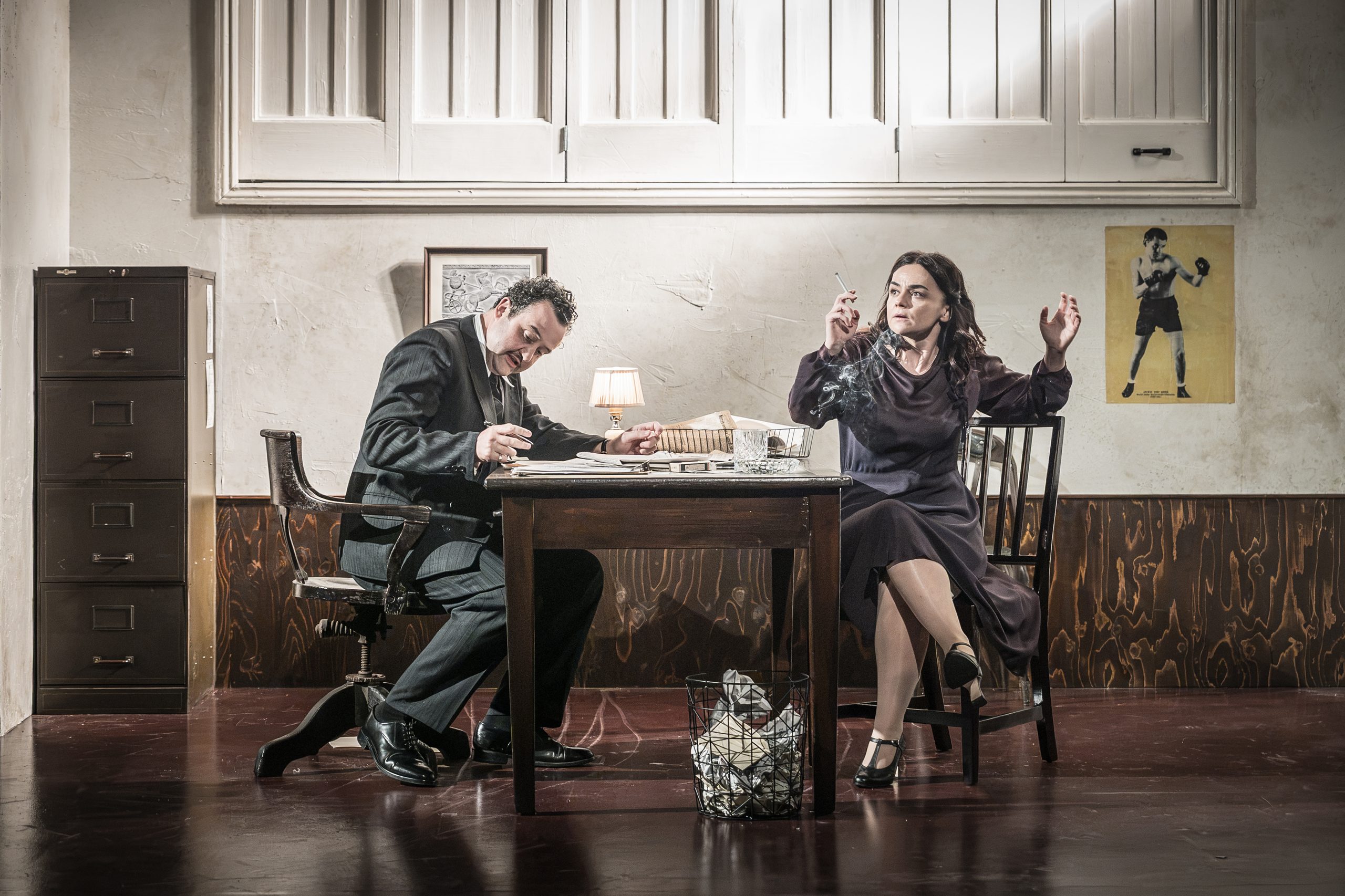
Daniel Mays is equally compelling as Moody. Having loved him as Nathan Detroit in Guys & Dolls, I was delighted to see him bring such grit and desperation to another New Yorker with problems in both business and love. Moody needs Joe to win. He also needs his girlfriend, Lorna, to love him, even when he can see her feelings shifting elsewhere. His whole sense of worth seems dependent on other people giving him what he needs, and Mays makes that painfully sad. You can see how he exploits Joe and still feel sorry for him.
Odets gives us several immediately recognisable character types, and this cast uses that familiarity beautifully. You quickly understand the world these people occupy, then discover the complicated human beings within it. Moody is a stereotype without becoming a caricature. The same is true of Joe’s father, played with warmth and sadness by Stanley Townsend. He knows the beauty his son can produce, and watching Joe turn away from it hurts. That pain is there in Townsend’s expression long before anything needs to be said.
Hayley Squires’s Lorna initially seems equally easy to place: the woman in the office having an affair with the boss, waiting for him to leave his wife. Then Squires reveals just how much is going on beneath that impression. Her Lorna is compassionate, strong, and repeatedly willing to put somebody else’s happiness before her own. As she falls for Joe, you can feel the anguish behind her decisions and see the effort it takes to push her feelings down. Squires makes that resignation feel tragic.
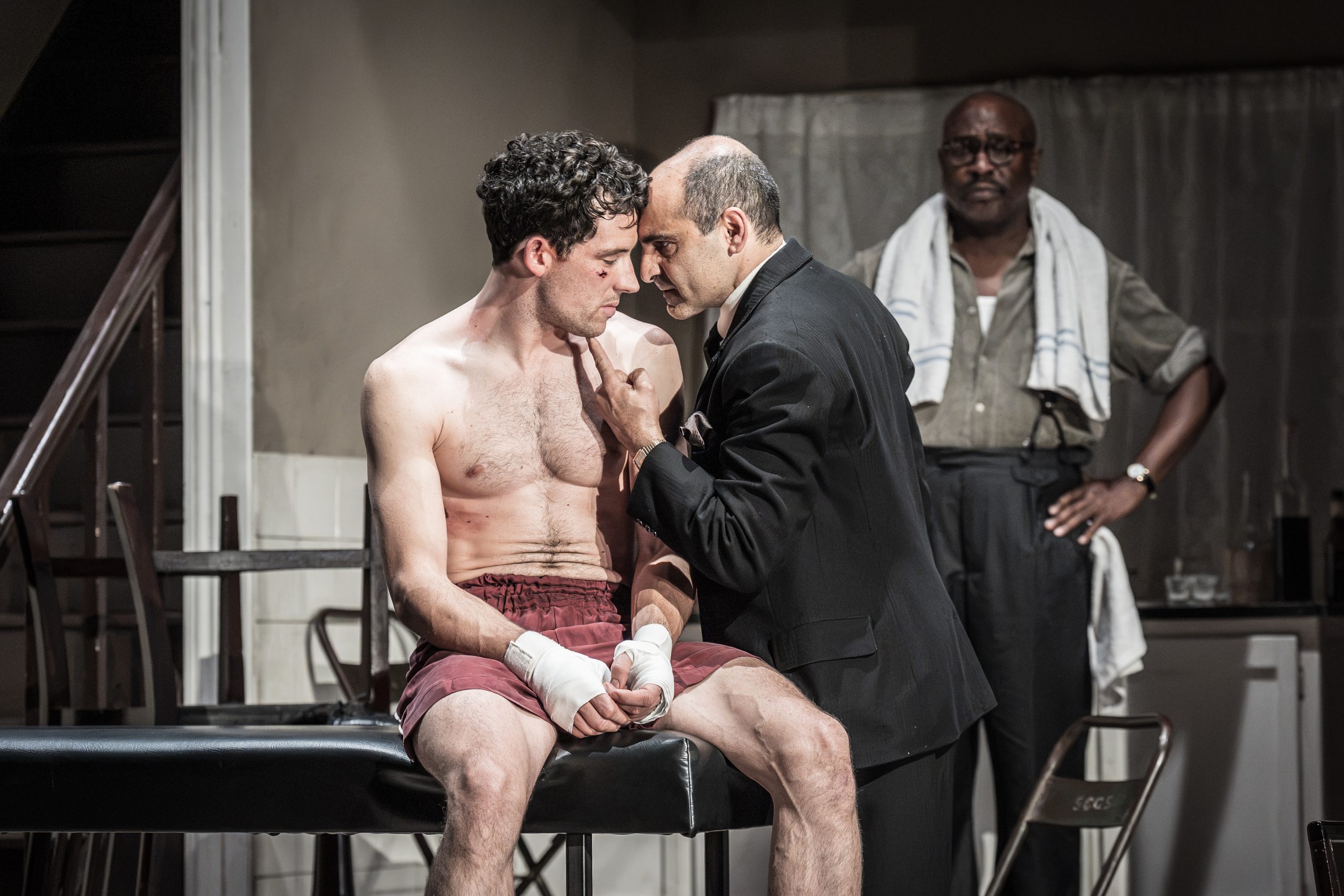
There is less compassion to be found in Zubin Varla’s Eddie Fuseli, the gangster who wants a piece of Joe’s future. With his nasal voice and chilling authority, Varla makes a roomful of men seem afraid of someone physically smaller than them. He can be calm, polite, and charming, but the malice is always there. Jason Barnett brings a gentler presence as trainer Tokio, caring about Joe while seeming largely powerless to help him, and Richard Fleeshman makes brother Frank’s affection clear in a small but significant role.

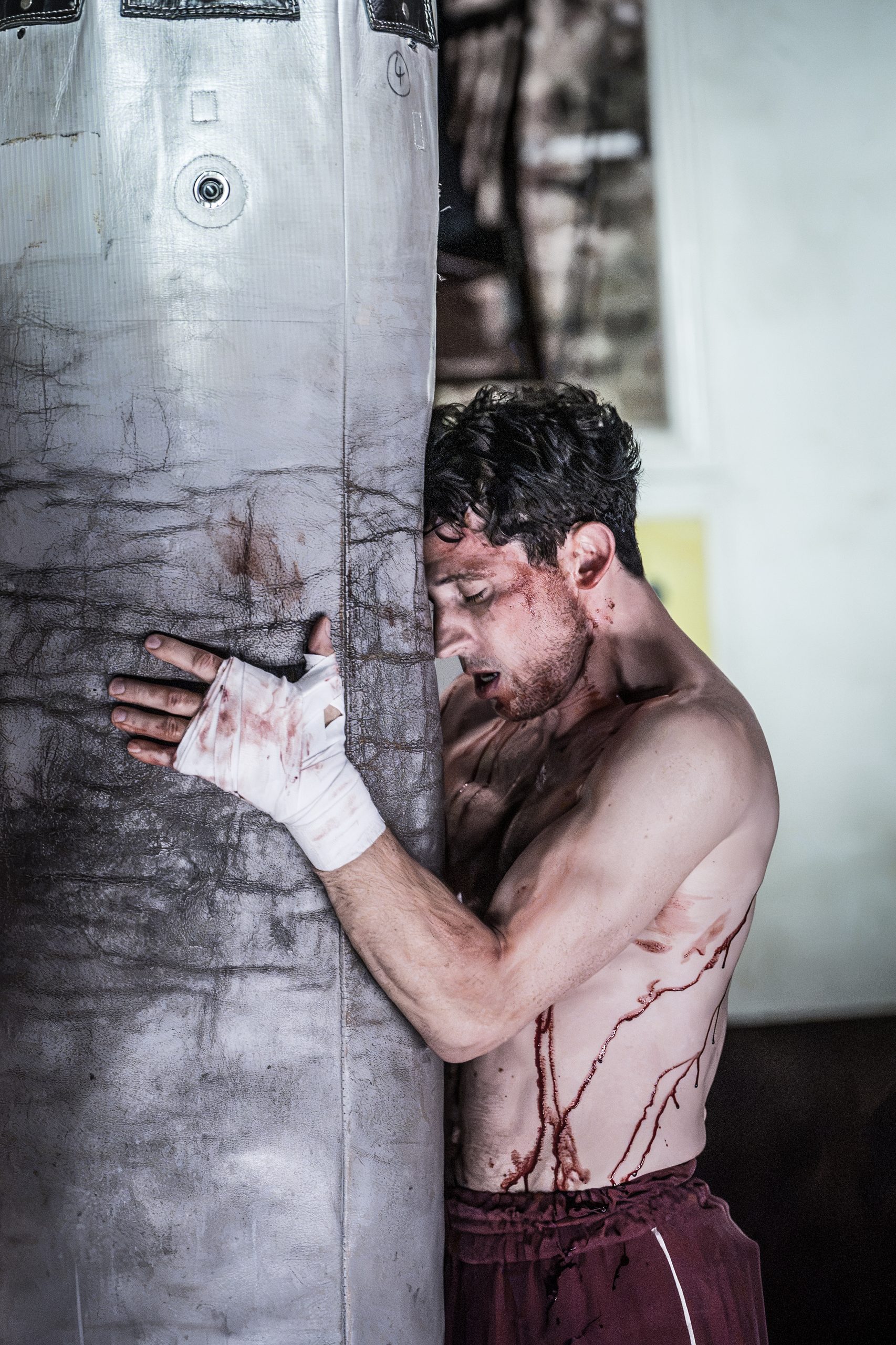
With so many performances working so beautifully together, Yates deserves enormous credit. His direction also finds striking ways to show the conflict inside Joe. A silent younger Joe appears at different moments, absorbed in music, a child full of the potential his adult self is struggling with. We can see the person he was before fame and money became so desperately important.
In one particularly beautiful sequence, a violinist with a similar build to O’Connor plays while Joe prepares a punching bag. Joe approaches him, wraps his arms around the musician, and reaches towards the violin, almost joining him in playing it. Then he stops himself, pulls away, and starts hitting the bag. It says so much about what he wants vs what he is choosing. Both his anguish and determination are palpable in that moment.
The live string quartet, revealed behind shutters in an elevated alcove, is central to all of this. Isobel Waller-Bridge’s music sometimes sits subtly beneath the action, building atmosphere, then swells into something much more forceful. As Joe’s mind becomes increasingly unsettled, the strings seem to carry that turmoil. Opening and closing those shutters becomes a way of admitting music into his world or shutting it out.
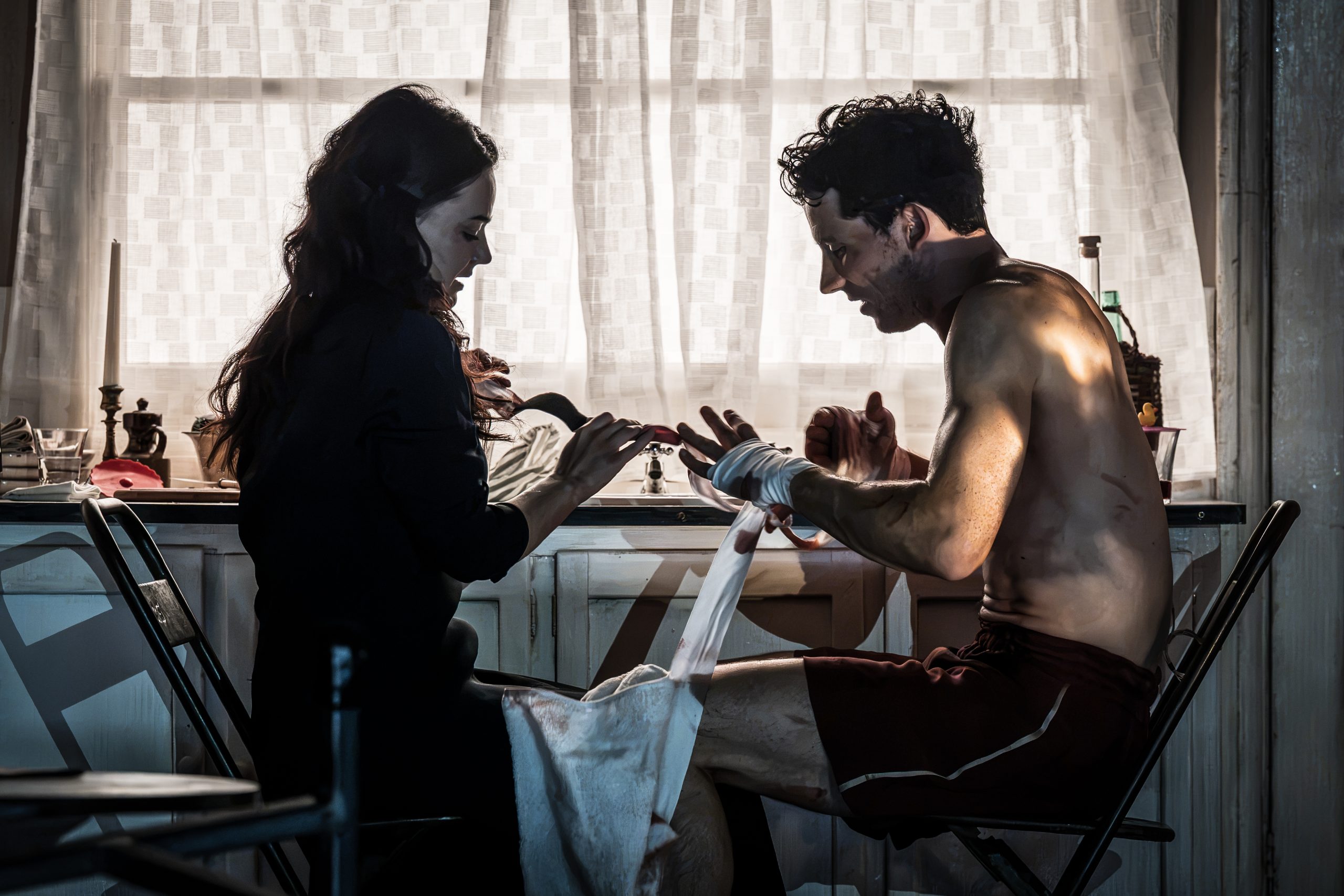
Imogen Knight’s movement direction and Kate Waters’ fight and boxing direction make the boxing sequences thrilling, with a punching bag taking the blows rather than another actor. We see the physical force of the fights without anyone actually hitting anyone else. And it makes perfect sense because, let’s be honest, Joe’s real fight isn’t with anyone else; it’s with himself.
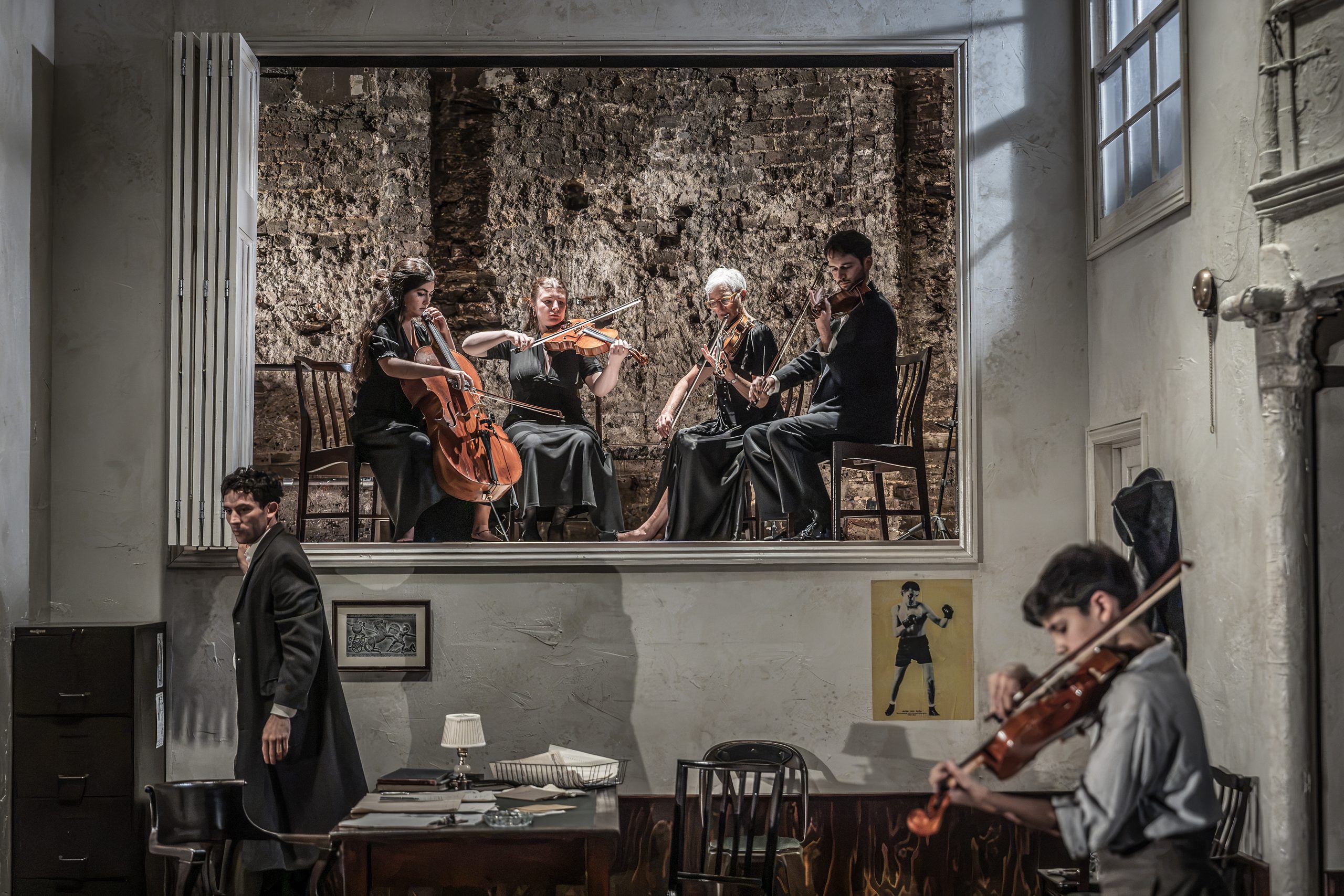
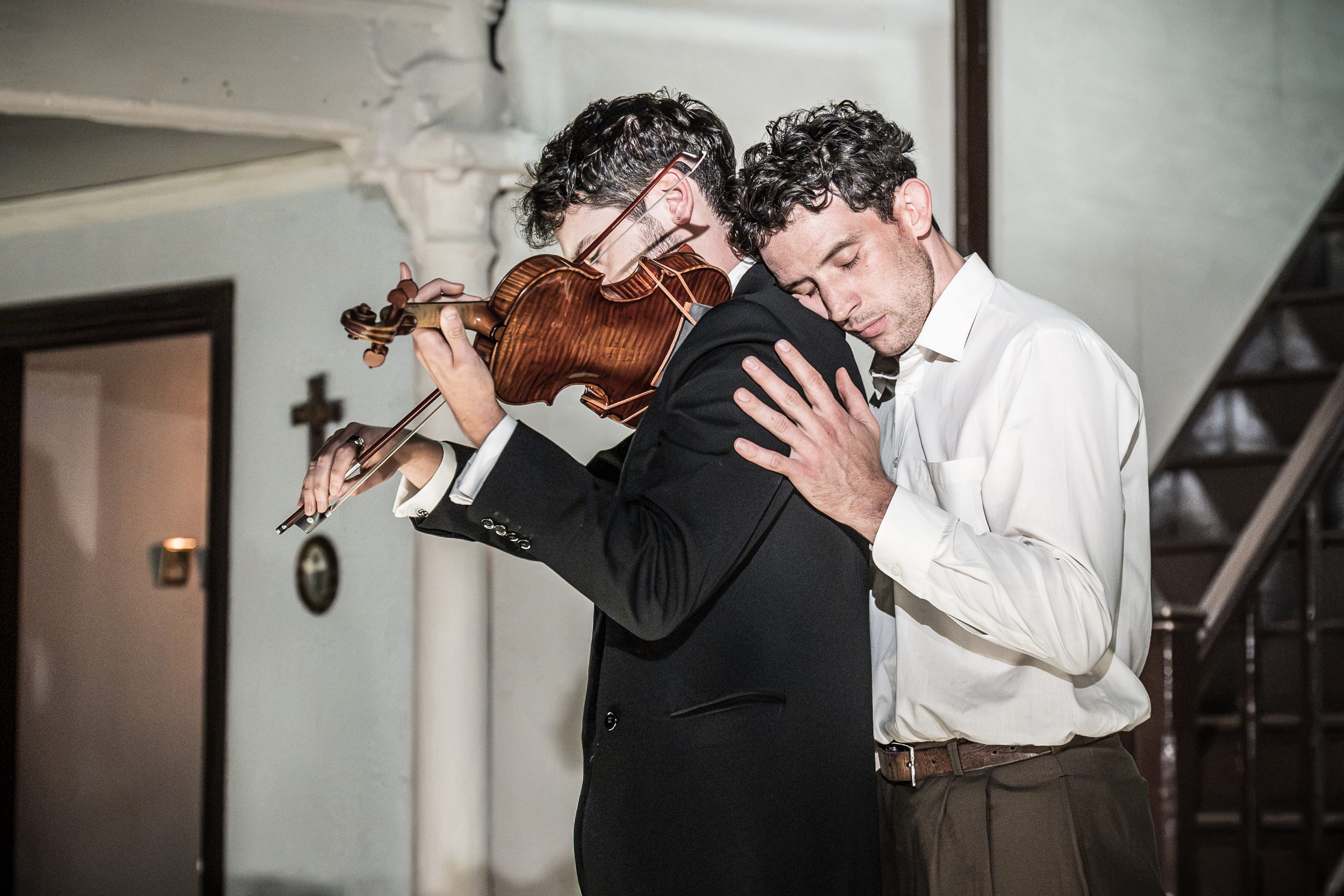
Jack Phelan’s video design projects the action onto the back wall. At times the images spin around and around, giving me the impression of Joe watching himself from outside his own body, detached from what he is doing. Together with the music, it gives the production a wonderfully cinematic feel.
Rosanna Vize’s unchanging set accommodates an impressive number of places. The distinct kitchen and office areas allow shifts that feel almost like cuts between movie scenes, while intimate conversations at the front of the stage draw you away from the surroundings altogether. James Farncombe’s lighting guides that attention beautifully. Just after the interval, sunlight streams through the upper office window with such convincing naturality that I found myself transfixed by the effect. In a production full of big emotions, this was a moment of beauty, the calm before the oncoming storm.
If you’ve read my reviews before, you may know that I have ADHD, and my mind can wander when a play loses its grip. There wasn’t a second of Golden Boy when I wasn’t practically on the edge of my seat. I cared about these people, felt their pain, and wanted Joe to recognise the value of what he already had. For someone so determined to become somebody, he has an awful lot of himself to lose. Everything about this production is sensational, from the smallest expression to the full force of its music and movement. Joe might measure his worth in dollars, but this is a reminder of just how much art can make you feel.
Golden Boy is playing at the Almeida Theatre until 31 October 2026.
Book your tickets at almeida.co.uk
Not in London? Catch Golden Boy in cinemas across the UK from 5 November 2026 with National Theatre Live.
Find your nearest screening at ntlive.com
Words by Nick Barr
Photography by Marc Brenner