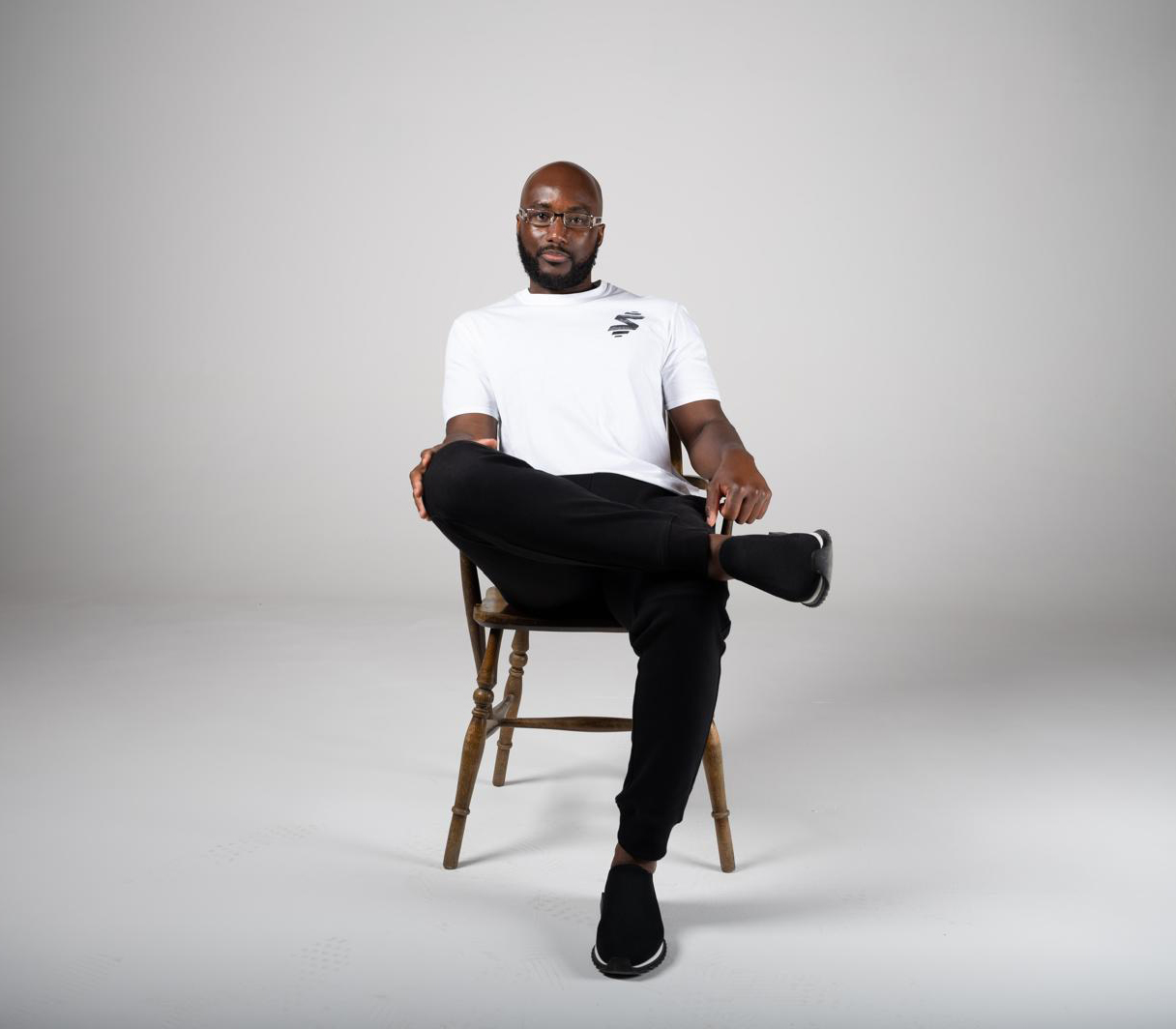
Nizaniel Beury doesn’t do small talk about fitness.
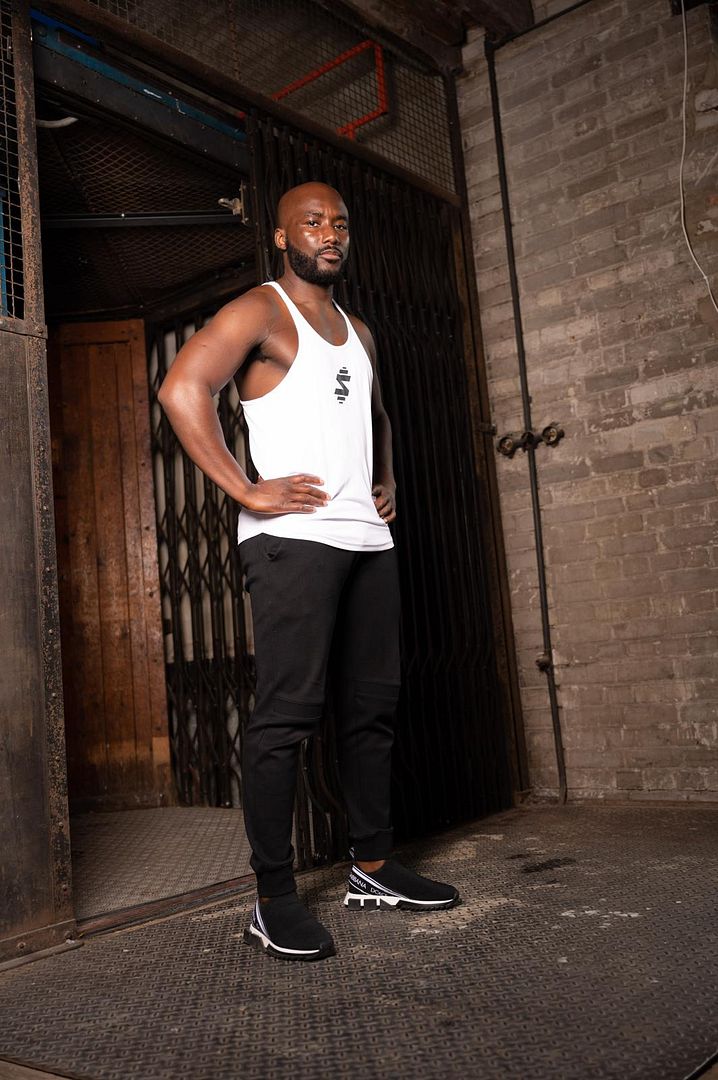
Eighteen years into coaching, he’s the founder of StrongerYou, formerly known as StrongerYou Performance Club, a strength business built for a very specific type of client: the high performer whose calendar has quietly eaten their health. Lawyers, executives, the kind of people who can run a boardroom but can’t remember the last time they touched a barbell. Nizaniel gets them lifting again, and more importantly, gets them thinking about strength as something they can’t afford to lose.
He entered the industry in 2007, when personal training was still something of a Wild West. No governing body worth mentioning, no established playbook, no mentors to speak of. So he built his own methodology from scratch, qualification by qualification, until he became one of the most credentialed coaches in his field: Functional Movement Screening, postural correction, powerlifting, strength and conditioning, weight management.
The list reads less like a CV and more like a warning to anyone who thinks personal training is just counting reps.
That self-taught rigour is exactly why his current preoccupation carries weight. As GLP-1 medications like Ozempic and Wegovy reshape how the country loses weight, Nizaniel has become one of the louder voices insisting the industry is missing the real story: not the number on the scale, but the muscle quietly disappearing alongside it. It’s a conviction he’s put in writing, and one that runs through everything else he has to say here.
He’s also survived what the pandemic did to gyms across the country, the forced closure of his own studio in the early days of lockdown, and years of rebuilding a client base that scattered in the aftermath.
What’s left is a coach who talks the way he trains: no fluff, no filler, and absolutely no patience for the fitness industry’s growing appetite for spectacle over substance.
We sat down with Nizaniel to talk 18 years in the industry, his no-holds-barred take on the muscle loss conversation around Ozempic and Wegovy, and why he thinks fitness influencers are ruining the profession. He also opens up about fatherhood, and what he wants his four-year-old son to learn from watching him work.
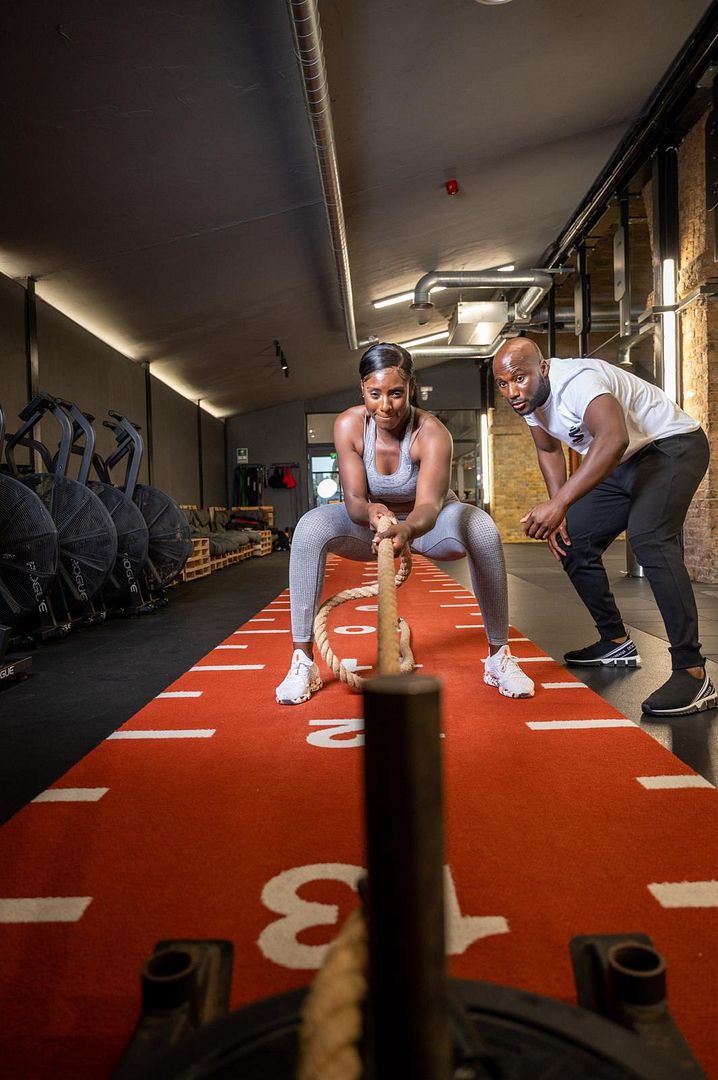
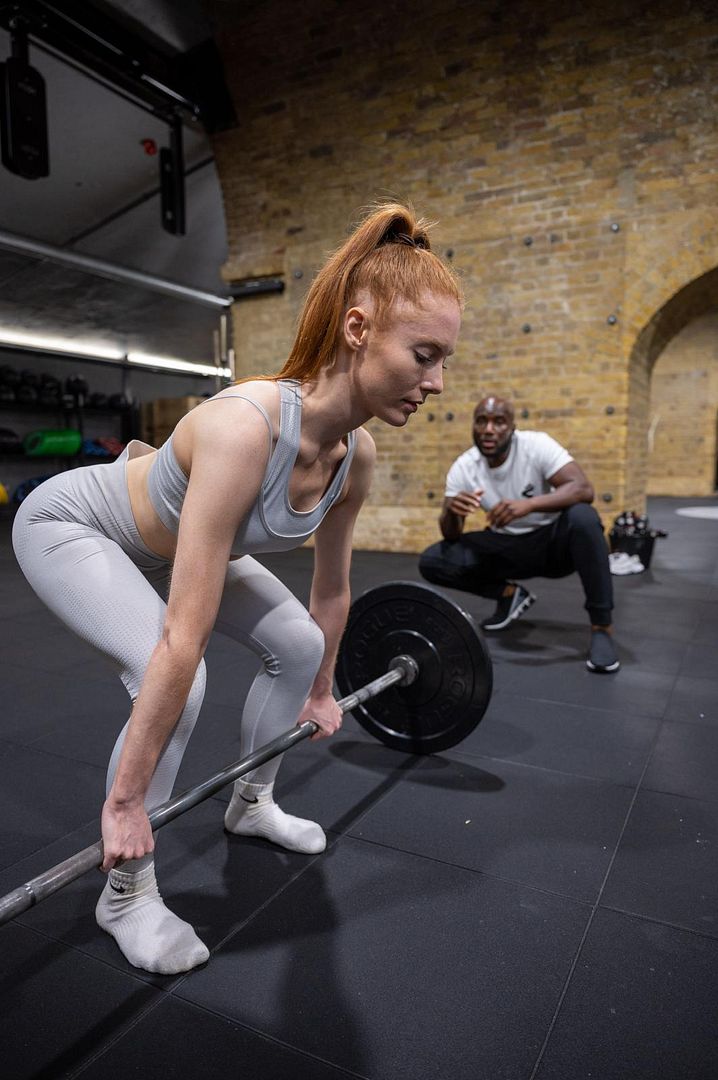

For anyone meeting you for the first time, who is Nizaniel Beury, what do you do day to day, and what would you say sets StrongerYou apart from every other PT out there?
Someone who has an innate gift of focus and motivation. I’m constantly seeking to improve myself physically and mentally every day. StrongerYou offers you the absolute truth on how to achieve your fitness goal(s), based on 18 years of experience.
Why are you in the fitness industry?
To show people a more constructive way to utilise their energy outside of bars, drugs, etc.
What was the moment that made you decide to start StrongerYou Performance Club rather than train clients under someone else’s roof?
I would say since birth, I’ve always had a spirit of independence and/or autonomy. My ambition has always been to be an entrepreneur. The term was conceptualised for me between the ages of 13 and 14.
How did Covid affect your business?
StrongerYou, formerly known as StrongerYou Performance Club, opened its doors in April 2017, and by December 2019 I had reached the financial target set out in my original business plan. Then, just a few months later, the first Covid lockdown arrived in early 2020. Being told that I had to close the gym had a devastating impact on revenue. I was unable to take on new customers, while some of my existing trainees inevitably stopped training altogether.
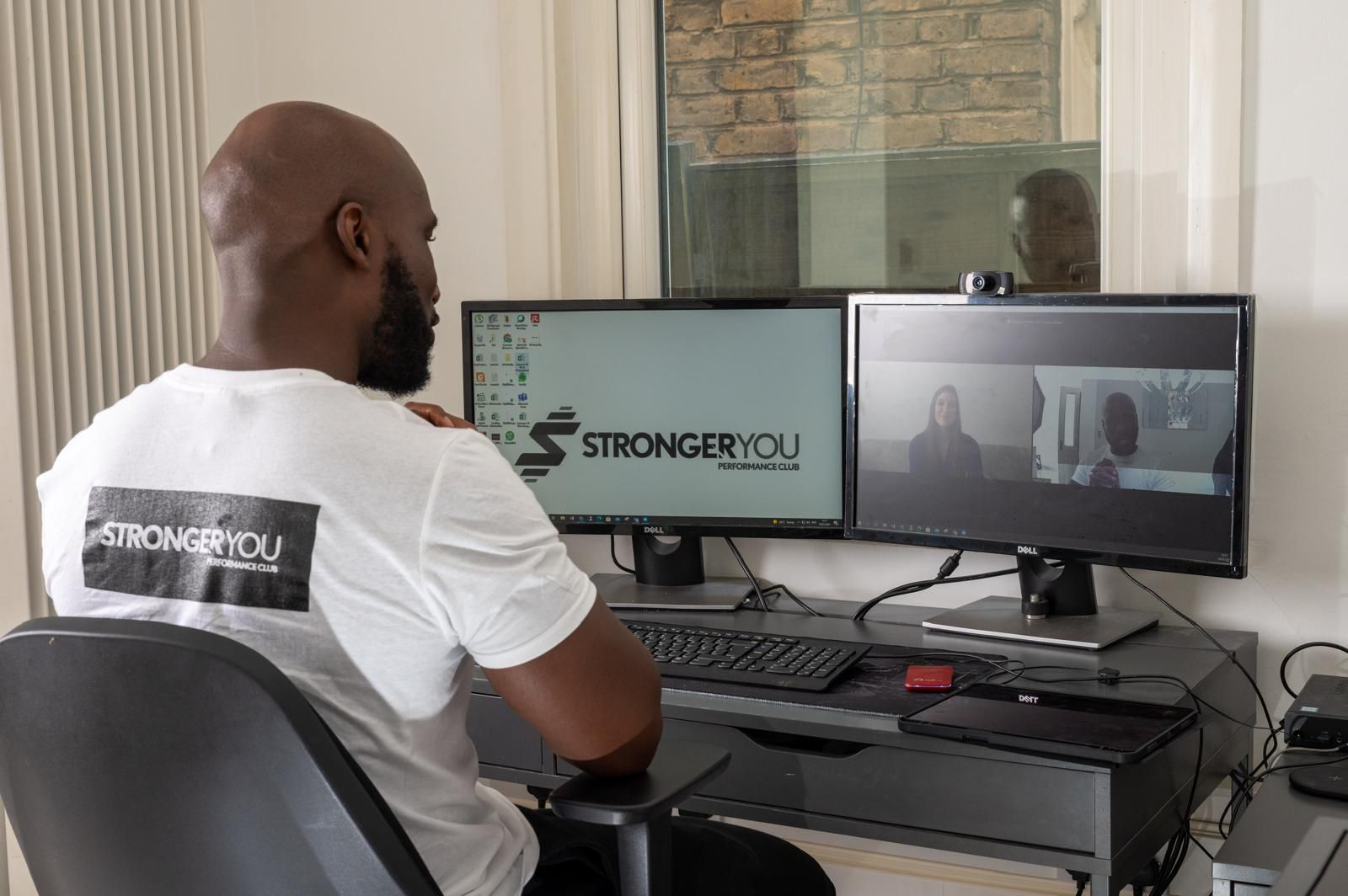
I learned an important lesson in adaptability. Due to social distancing, I couldn’t be in the gym with a trainee, so I had CCTV cameras installed, gave each trainee a key and asked them to purchase a good-quality pair of headphones. At an agreed time, they would call me and I would coach them remotely while observing their session through the cameras. This allowed me to continue generating some income, although the business was no longer breaking even.
Ultimately, the biggest lesson for me was the value of imagination, finding a practical solution when the conventional approach was no longer possible.
Once I was allowed to reopen, I had inevitably lost some trainees. For the next few years, there was also a downturn in gym memberships, particularly in one-to-one training in private studios, which was my offering at the time. In hindsight, I believe studios may have become subconsciously associated with the isolation of lockdown for some trainees. People also seemed keen to return to more social environments, such as commercial gyms, while others chose to continue working and exercising from home.
I managed to keep the business going for another two years, but ultimately I was forced to close the gym in 2023.
Remote coaching was not an entirely new cottage industry but became more prominent as a result of the Covid lockdowns. It allowed trainers to work with clients beyond the traditional in-person model. Finally, Covid acted as a catalyst in making a strong social media presence increasingly essential for personal trainers.
With traditional in-person interaction restricted, having an effective online presence became an important way to remain visible, communicate with clients and attract new business.
How competitive is it?
Very. The majority of us are self-employed, so it’s very much an “eat what you kill” mentality.
You’ve been coaching for 18 years. What’s changed most about how you train clients since you started?
The use of technology to obtain information, communicate, socialise and provide documentation.
Has the industry changed during your career?
Yes. Every five to ten years, a fitness trend reaches critical mass. Examples include CrossFit and, more recently, HYROX. Each tends to appeal to different age demographics; HYROX, for example, has been widely adopted by Gen Z.
Who were your role models when you were coming up in the industry, and what did you take from them?
This question is unique to me, as it relates to the time I entered the industry, which was 2007. Personal training was a new industry, almost like the Wild West. The governing body, the Register of Exercise Professionals, had only been established for five years at the time. So, I didn’t actually have any role models, I had to figure things out myself. In that sense, I’m a bit of an autodidact.
What have you learned about Personal Trainers in your almost 20-year career?
That most, if not all of us, are dealing with some deep level of trauma and therefore use exercise as therapy.
What nuances about the Personal Training industry have you learned in your career?
Clients may actually know more about certain health and fitness topics than some personal trainers.
You built StrongerYou around helping high-flying professionals specifically. What made you focus on that group?
There is greater demand for my services amongst this group. They prioritise their health and are in a higher tax bracket, enabling them to afford my services.
What is your training philosophy and methodology?
My philosophy revolves around strength training, which I believe should form the foundation of all fitness objectives. It can reduce injury risk through increased muscle mass, which may also slow aspects of ageing; increase bone density, reducing osteoporosis risk; strengthen connective tissue, which may help reduce the risk of arthritis; and support healthy testosterone levels, contributing to strength, muscle mass and physical performance.
My methodology is periodised, meaning it is organised into phases. In short, this prevents the body from adapting too easily and helps mitigate plateaus.
You’ve written that weight loss should not leave you weaker, it should leave you stronger. Where did that conviction come from?
Experience with trainees who have lost weight, either using weight-loss medication(s) or not. You may solve one problem while creating another. You can end up with poor posture resulting in musculoskeletal pain, greater injury risk, loss of bone density and a lower basal metabolic rate (the amount of calories you burn when sedentary).
With GLP-1 medications like Ozempic becoming so common, you’ve said muscle loss is the issue nobody’s talking about enough. Why does that concern you more than the weight itself?
I appreciate how detrimental significant atrophy, loss of muscle mass, can be to someone’s everyday life. There’s more to losing weight than what the scales say objectively. You need to maintain and strengthen muscle to remain functionally mobile and capable of useful movement.
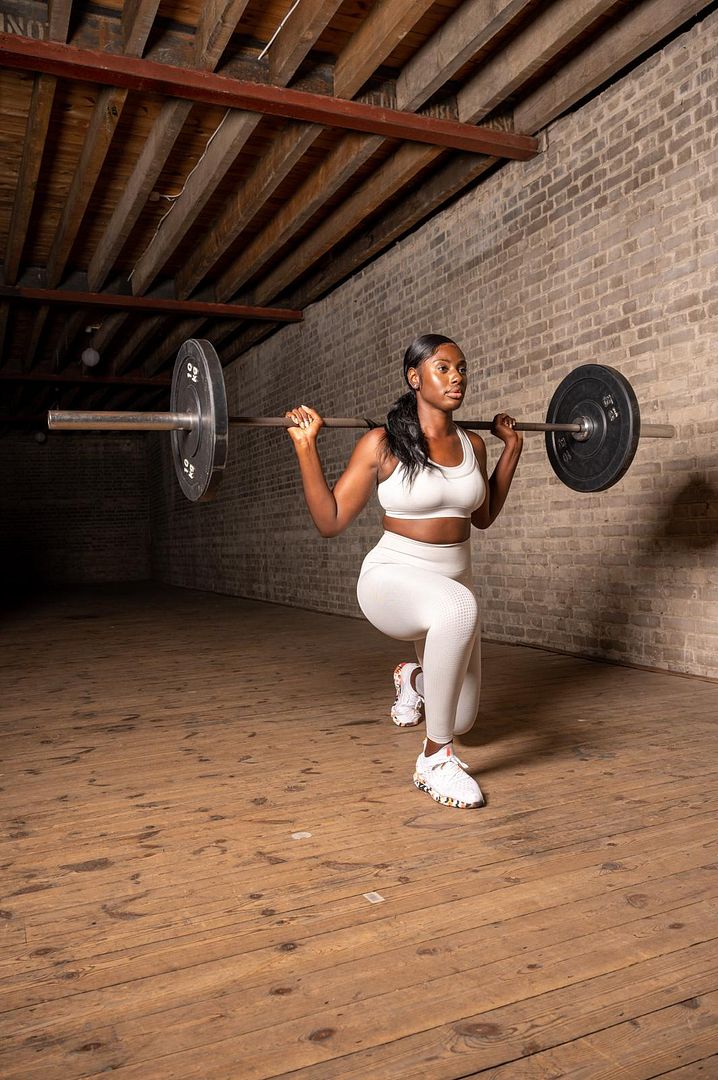
For someone on a GLP-1 medication whose appetite drops off a cliff, what’s the first thing you change about how they eat and train?
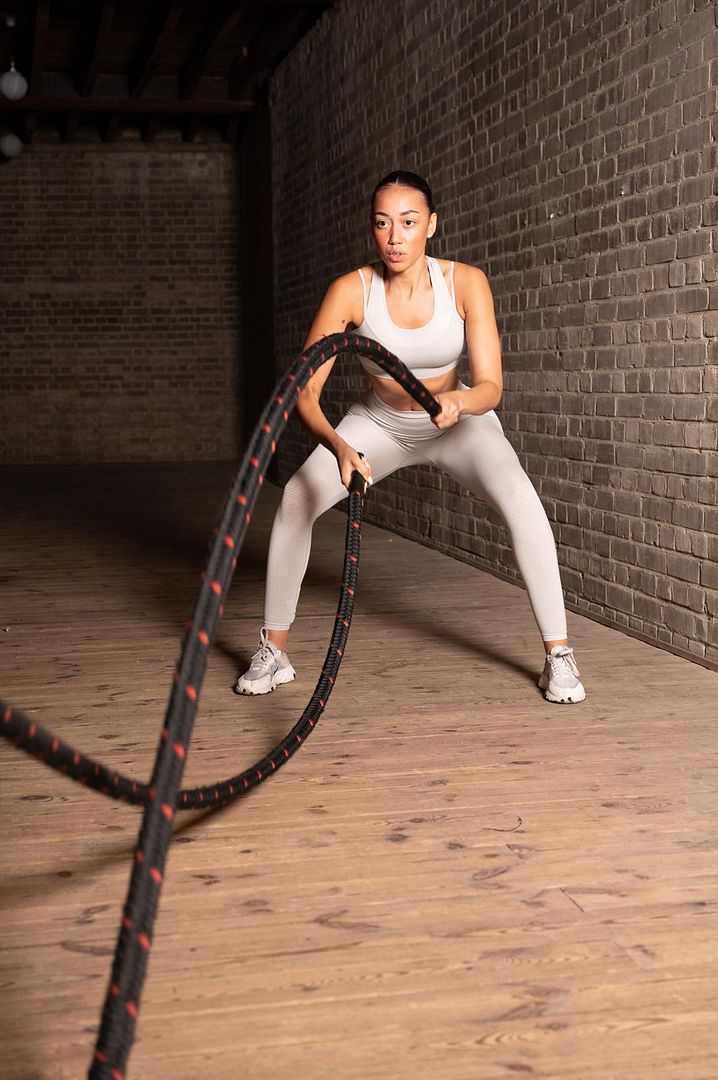
That’s an interesting question. The main reason individuals are either overweight or obese can be linked to depression. My approach is two-pronged. First, I focus on the mind by encouraging them to include omega-3 fatty acids in their diet, particularly EPA-rich sources, which have been associated with improved mood and a reduction in depressive symptoms. This can be obtained naturally from fish such as salmon and mackerel, alongside fish oil supplementation. Second, I focus on the body with multi-jointed exercises that boost feel-good hormones such as testosterone. This combination can help mitigate depression.
You build programmes around five movement patterns: squat, hinge, push, pull and carry. Why keep it that simple?
These are movements we require in everyday life to be functional (useful). Ideally, what you do in the gym should complement what you do outside the gym.
You say two or three well-structured sessions beat training at a greater frequency of, say, double. Why is this?
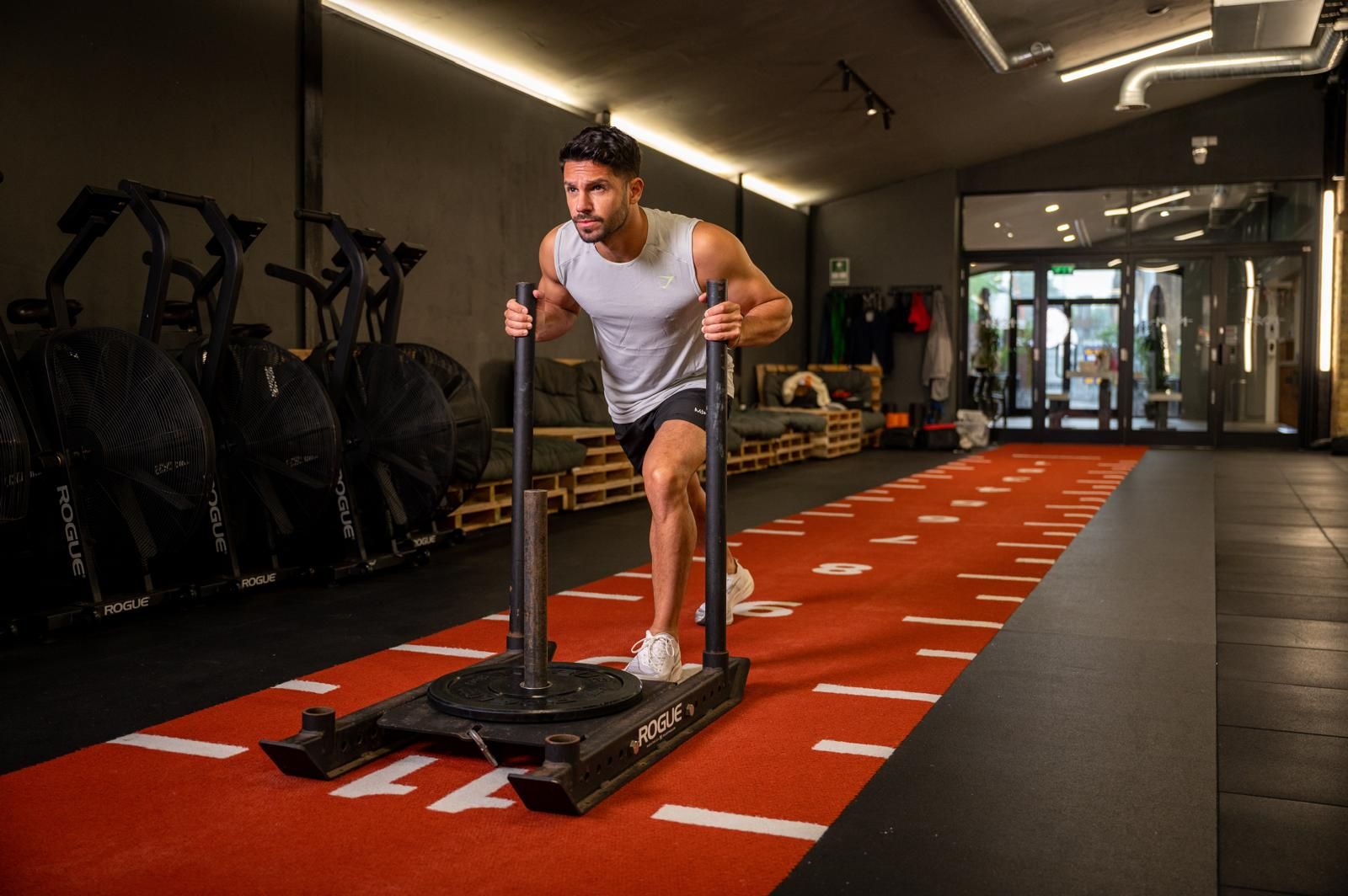
The simple answer is time efficiency. Many people still believe in and practise a split routine, where you essentially train one body part or two a day. This method dates back more than 50 years and was popularised by bodybuilders such as Arnold Schwarzenegger. Sports science has come a long way since then, and research points to sessions focused on major lifts as being more beneficial and providing longevity in training through a reduced risk of injury.
There’s a huge wave of trainers building followings purely on social media now. What’s your honest take on that?
It depends. You have informative, accurate platforms, and you have content creators who will do anything for subscribers, views and likes. Recently, I came across a platform run by a couple who falsely claimed they were pregnant for weeks, showing off a bump. As you would expect, us the “followers” cheered them on. Needless to say, the whole thing was a farce and when it was discovered the couple attempted to play it off as some kind of foolish joke. The outcome was I, and many others, unfollowed immediately.
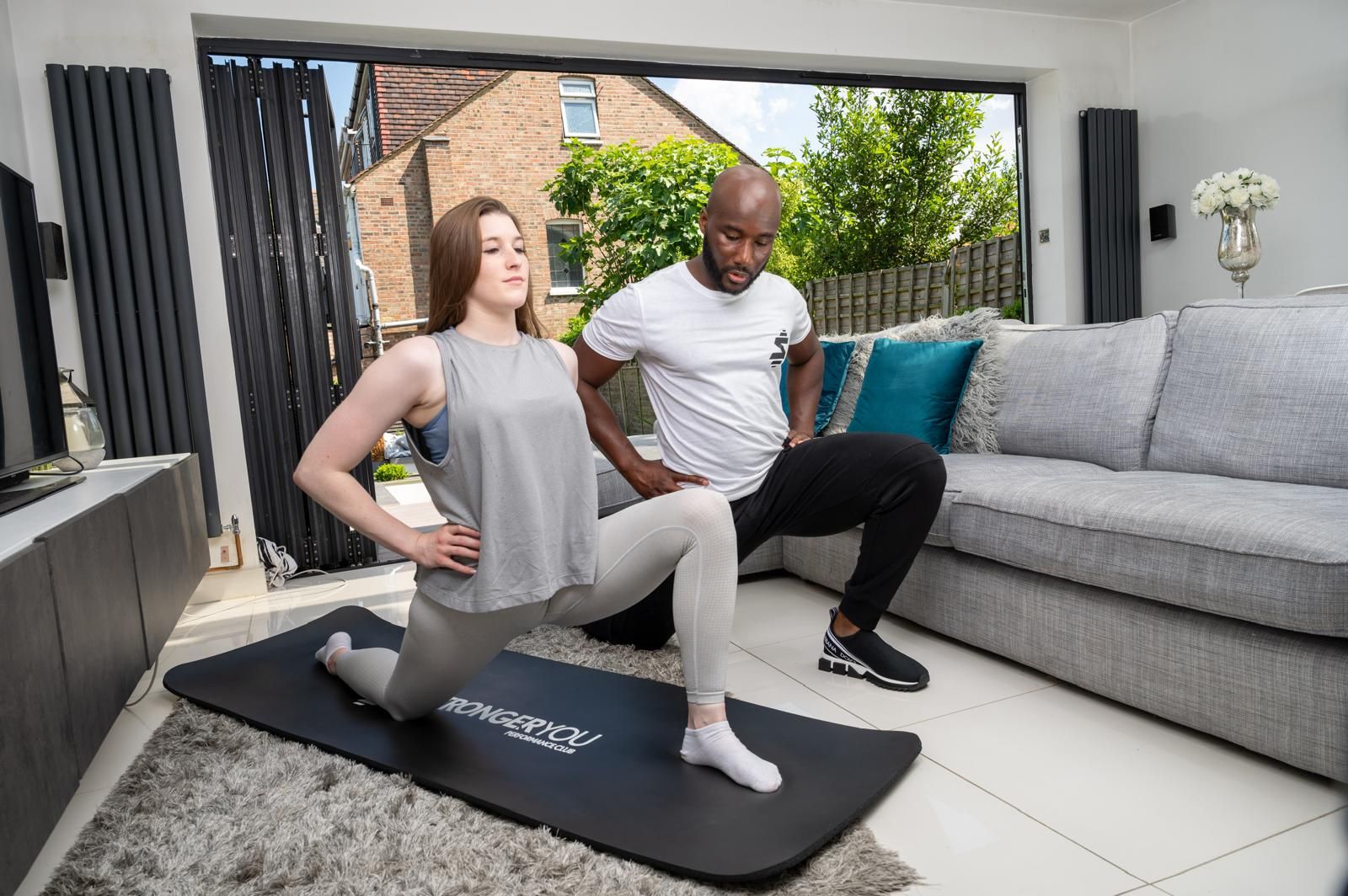
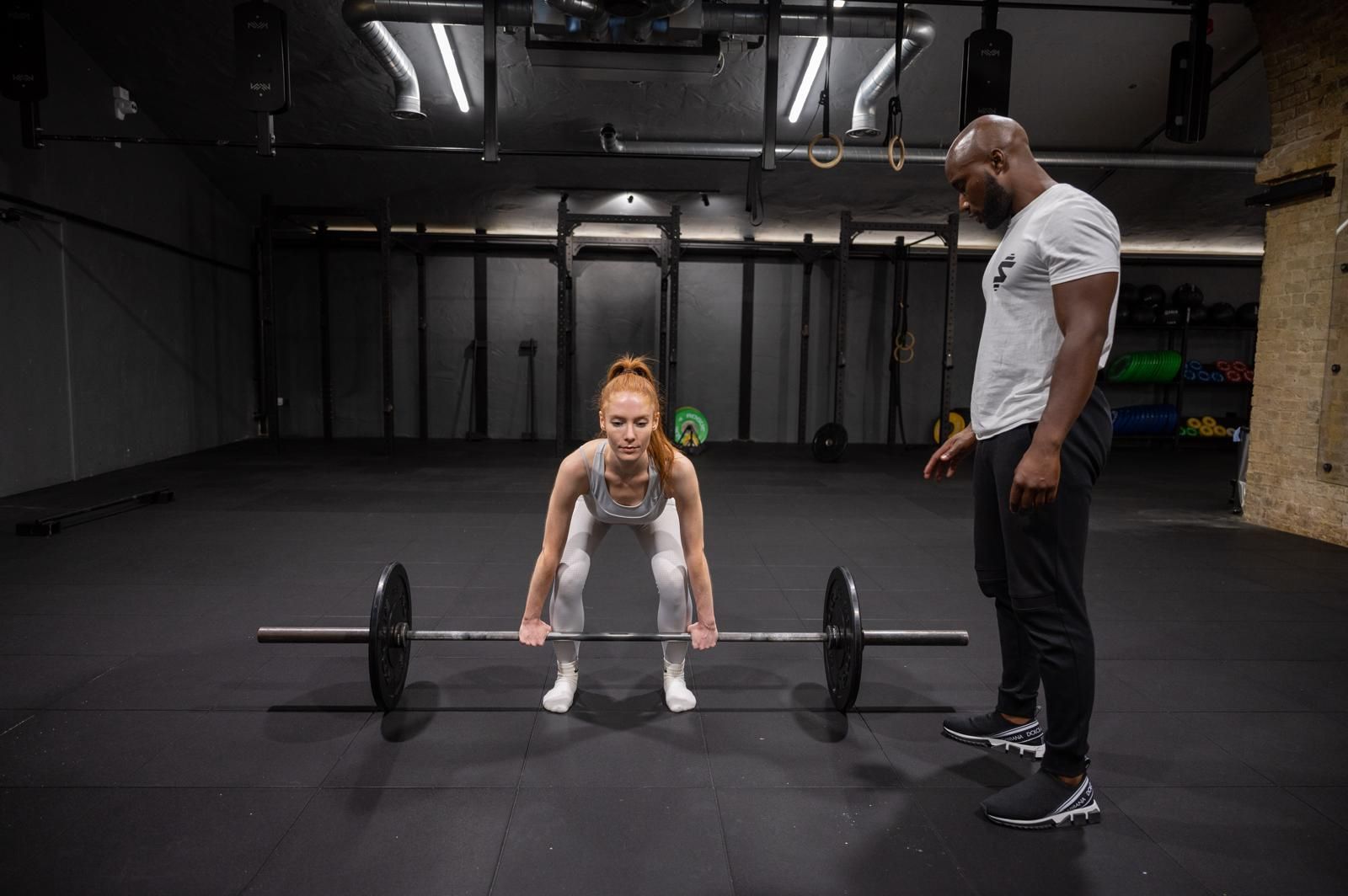
Do you think the rise of fitness influencers has been good or bad for the industry overall?
I think it has been bad, because it has reduced PTs to caricatures rather than professionals.
There are certain archetypes you find in every gym. Name a few.
[Chuckles], that’s funny and ironically I have compiled a list over the years.
The person who is a member only but seems to know everyone. The loud lifter. The person who uses exactly the same piece of equipment every time, even when an identical one is free. The “message on the T-shirt” political or social-commentary person. The random-exercise-in-the-wrong-place person. The “I don’t like sharing equipment” person. And the anti-social individual you see every day who never says hello.
Posture problems and lower-back pain from desk life come up a lot in your work. What’s one simple thing office workers get wrong that makes this worse?
Being sedentary for too long over the course of a day, week, month, year and ultimately their career. Many modern offices are now countering this with standing desks and HR-approved desk-posture assessments.
You talk about improving focus, energy and productivity through training, not just physique. How quickly do clients notice that shift?
Typically within four to six weeks with consistent training frequency, meaning two sessions per week.
You’ve got a four-year-old son. How do you bring fitness into his life at this age? Is it structured, or just letting him run wild?
Ha, ha, my little guy. At this age, I just do sports with him: football teaches him how to work with others, swimming coordination and Muay Thai empathy. At points there are definite crossovers with the soft and hard skills he’s picking up.
What do you want him to understand about strength and health as he gets older, not just physically, but as a mindset?
The mind is the most powerful involuntary muscle we have and once someone has control (discipline) of their mind, they can achieve many things. From this point all physiological strength goals become easier to develop.
If someone reading this wanted to start improving their fitness and strength tomorrow, with no gym experience and not much time, what are the simple first steps you’d tell them to take?
First, start with an assessment to identify potential flaws or problems. For example, if you are over 40, can you stand up from a low chair, hips below knees, without assistance? Can you pull yourself up on a bar five times (women) or ten times (men)? Can you do ten press-ups comfortably? Do you lack energy and/or suffer from any musculoskeletal pain?
Once answered, I would suggest starting with 10 reps by 3 sets of squats, chin-ups and press-ups, two to three sessions per week. Drink 37ml of water per kilogram of body weight. Eat 1.1g of protein per kilogram of body weight and aim for seven to nine hours of sleep.
For more info email [email protected] or follow @strongeryoupc