There was a time when a Secret Cinema ticket felt less like a booking than the beginning of a conspiracy. An email would arrive. Instructions followed. A costume was assembled, a character invented, and an undisclosed corner of London became the threshold to somewhere else entirely.
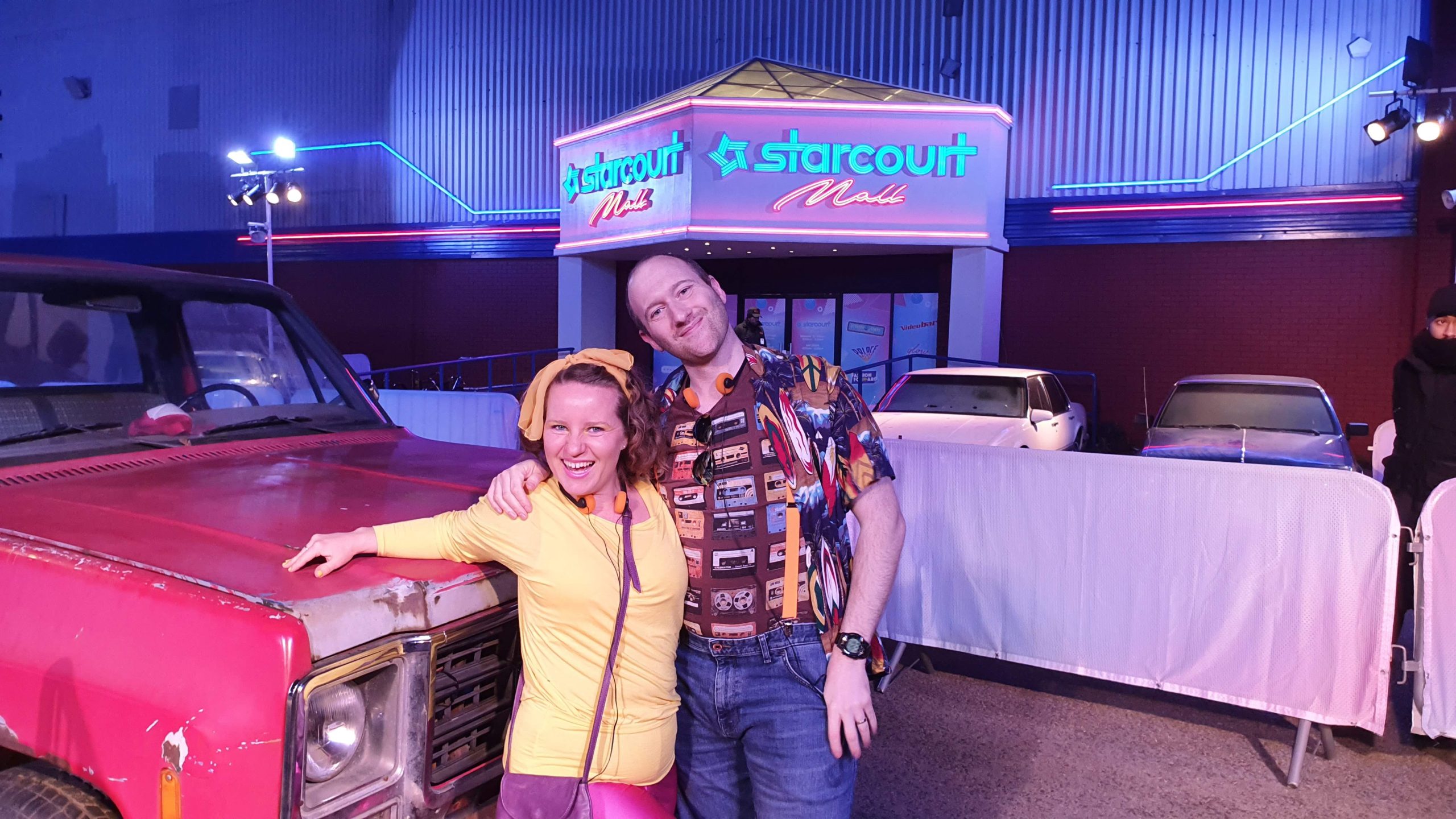
By the time I first entered the world of Secret Cinema through Stranger Things in January 2020, productions such as Back to the Future, Star Wars: The Empire Strikes Back, and Casino Royale, along with the legendary Tell No One events upon which the company first built its reputation, had already acquired the quality of urban myth. I soon understood why people became so obsessed with it. In 2022, Guardians of the Galaxy became such a happy place for me that I returned seven times!
Then came Grease: The Live Experience in Birmingham in 2023. I danced with Rizzo, joined the celebrations at Rydell High, and left grinning from ear to ear. It was also my first published review as a theatre journalist.
Secret Cinema had not simply given me memorable nights out. It had become part of my professional story.
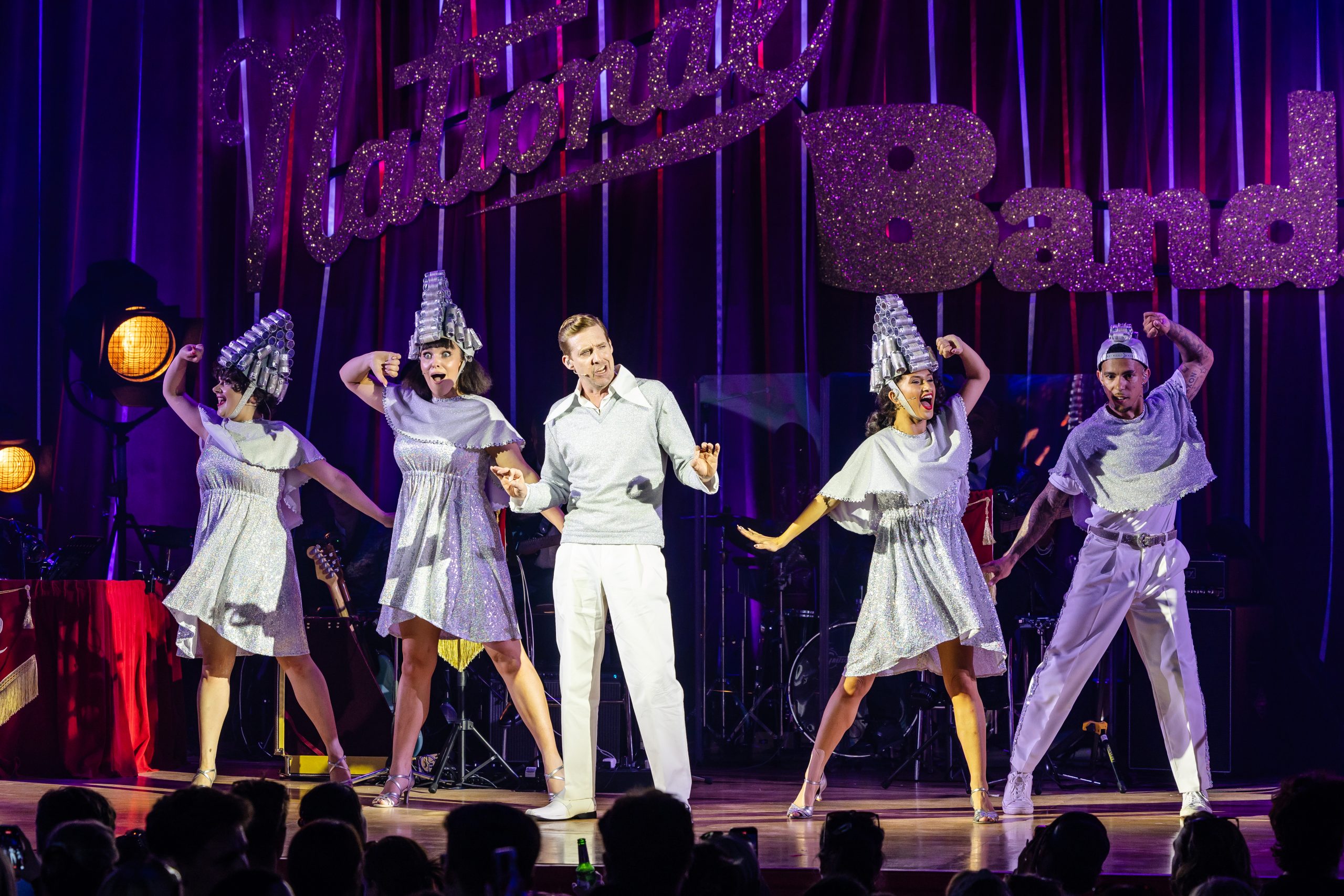
Credit: Matt Crockett
My love for Secret Cinema comes from the feeling of stepping beyond the screen and into a story. Its productions have changed dramatically across the years, but that essential magic remains. The question is not whether Secret Cinema can preserve one particular model forever. It is how a company built upon surprise can continue finding new ways to surprise us.
Few people have had a closer view of that journey than Matt Costain. Now Secret Cinema’s Creative Director, he has spent almost two decades helping to build its worlds. Speaking to 1883 ahead of Grease: The Immersive Movie Musical’s return, Matt reflects on what has changed, what remains essential, and how Secret Cinema’s past could shape its future.
He was drawn to what was then a strange, fresh idea, long before ‘world-building’ became common theatrical vocabulary: the possibility of creating somewhere simultaneously real and magical.
‘It’s like pretending as a kid,’ he says. ‘I am in a cardboard box, and I am an explorer on Everest at the same time. I know that both of them are absolutely true.’
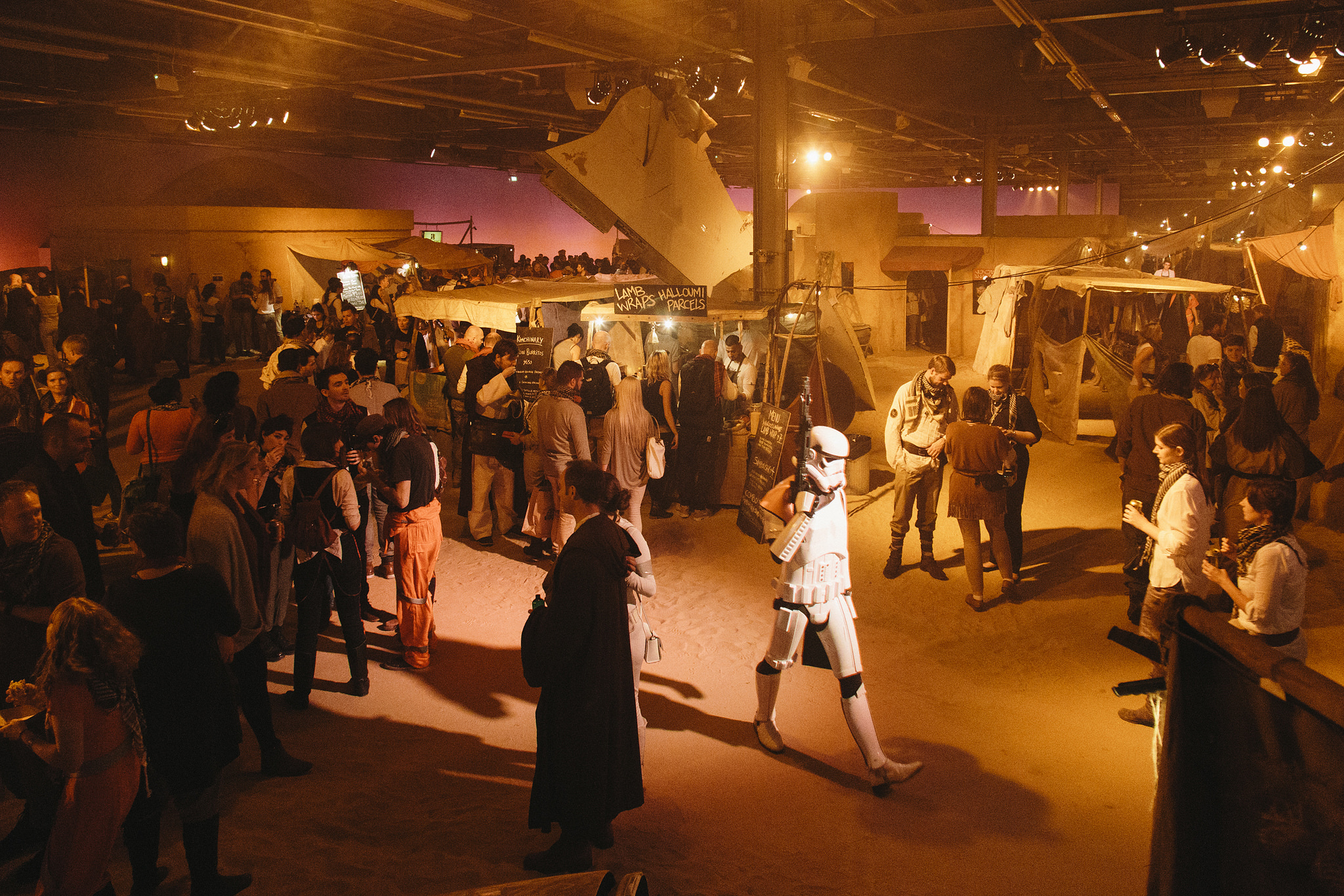
That double reality remains Secret Cinema’s fundamental trick. A warehouse in Wembley can also be an alien planet. Conventional theatre generally hopes an audience will forget the auditorium. Secret Cinema invites people to look around and discover that the entire environment is performing.
For Matt, however, scenery is not the defining ingredient. The audience is.
‘The audience are not just passive. Their involvement is essential,’ he says. ‘It is the missing part of the performance space.’
That involvement has never taken a single form. Stranger Things sent audiences through a tightly guided mystery, turning them into members of their own Scooby gang. Other productions have filled enormous worlds with characters, missions, and hidden stories, allowing people to create experiences entirely different from those of the audience members beside them.
The form changes because the story changes. Matt describes the creative task as understanding the expectations audiences bring to each world, then giving them something they did not know they wanted. The free-roaming worlds remain understandably beloved, but Secret Cinema has always experimented with the relationship between film, performance, place, and audience. What has endured is the invitation to participate.
‘To the extent to which you are able and interested, you could also make an offer and join in somehow,’ Matt explains. ‘If you do, only good things will happen.’
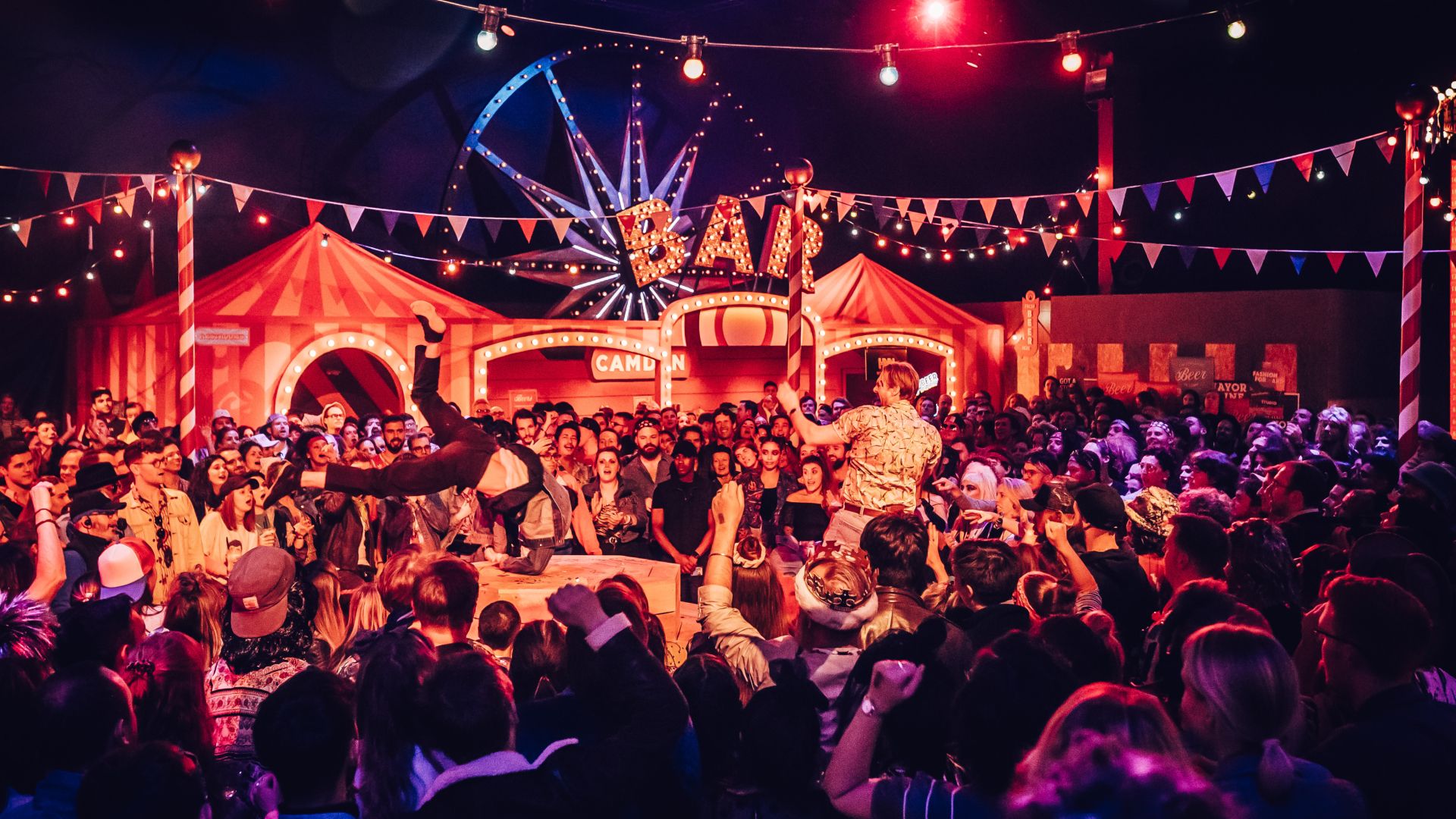
You might complete an elaborate mission, dance with a character, sing with a room full of strangers, or simply watch the story unfold around you. Visual accuracy alone cannot create the feeling of stepping into a beloved film. As Matt puts it: ‘It feels like something. It doesn’t just look like something.’
The evolution of that idea is particularly clear in the two very different versions of Grease.
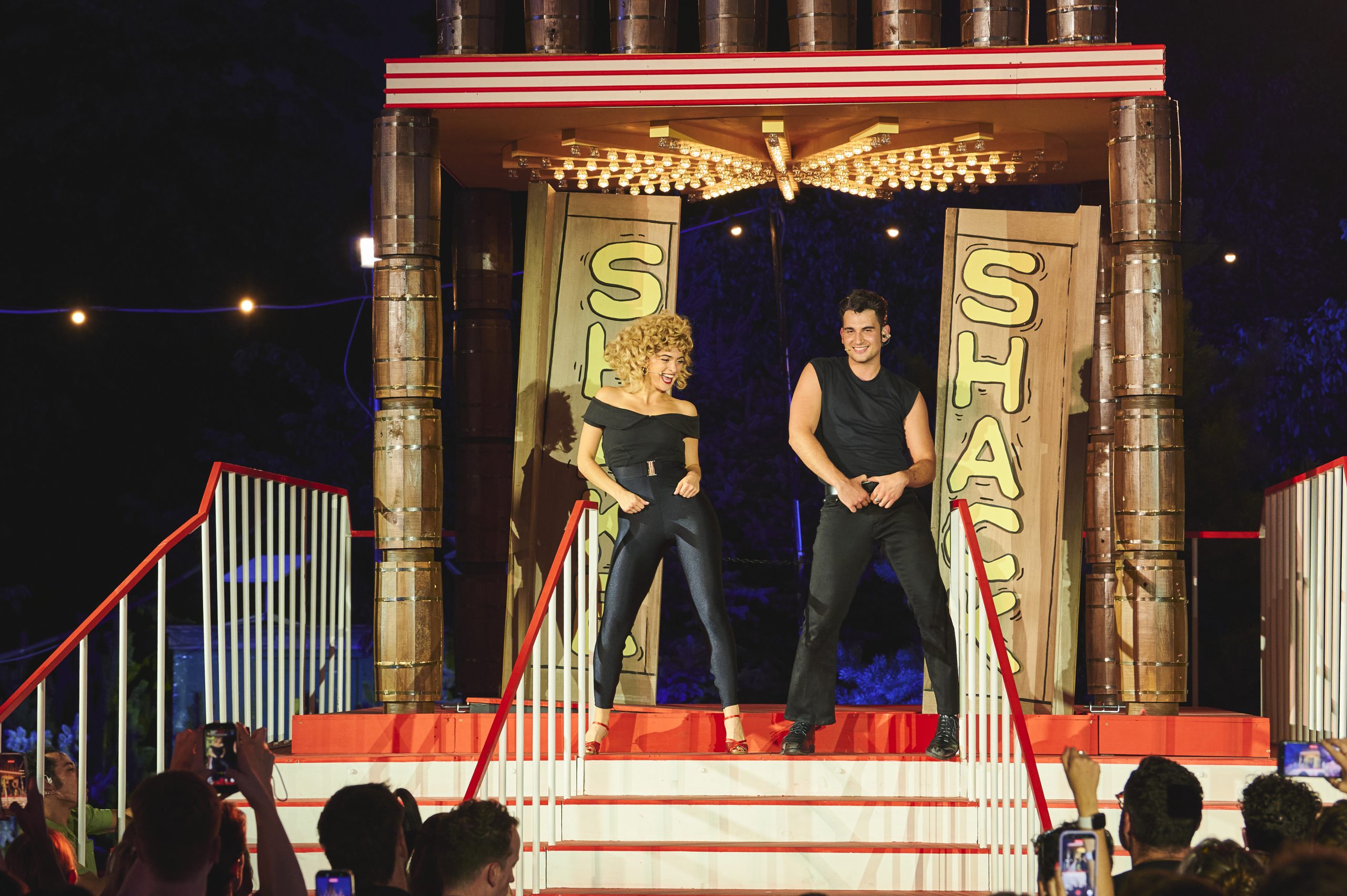
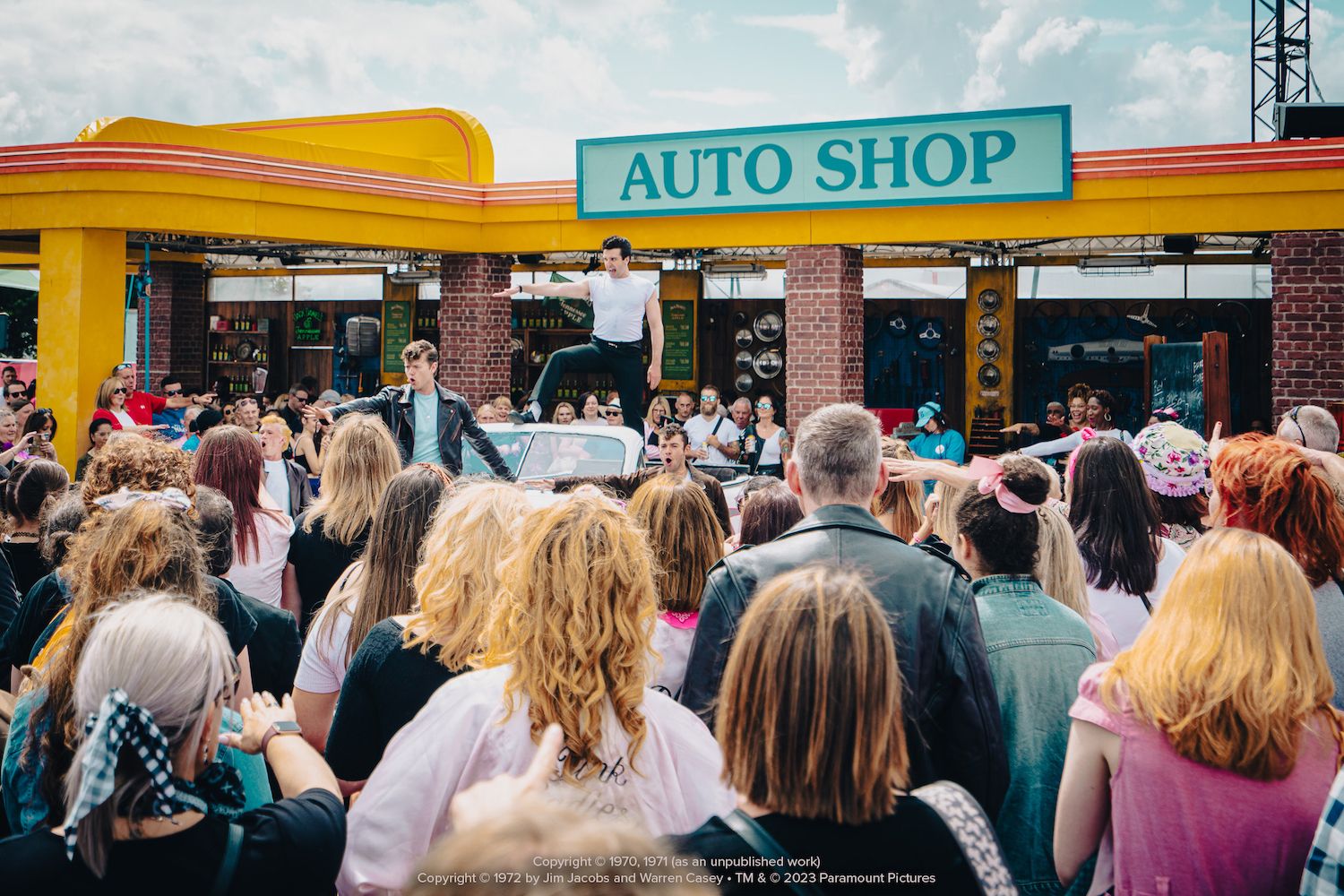
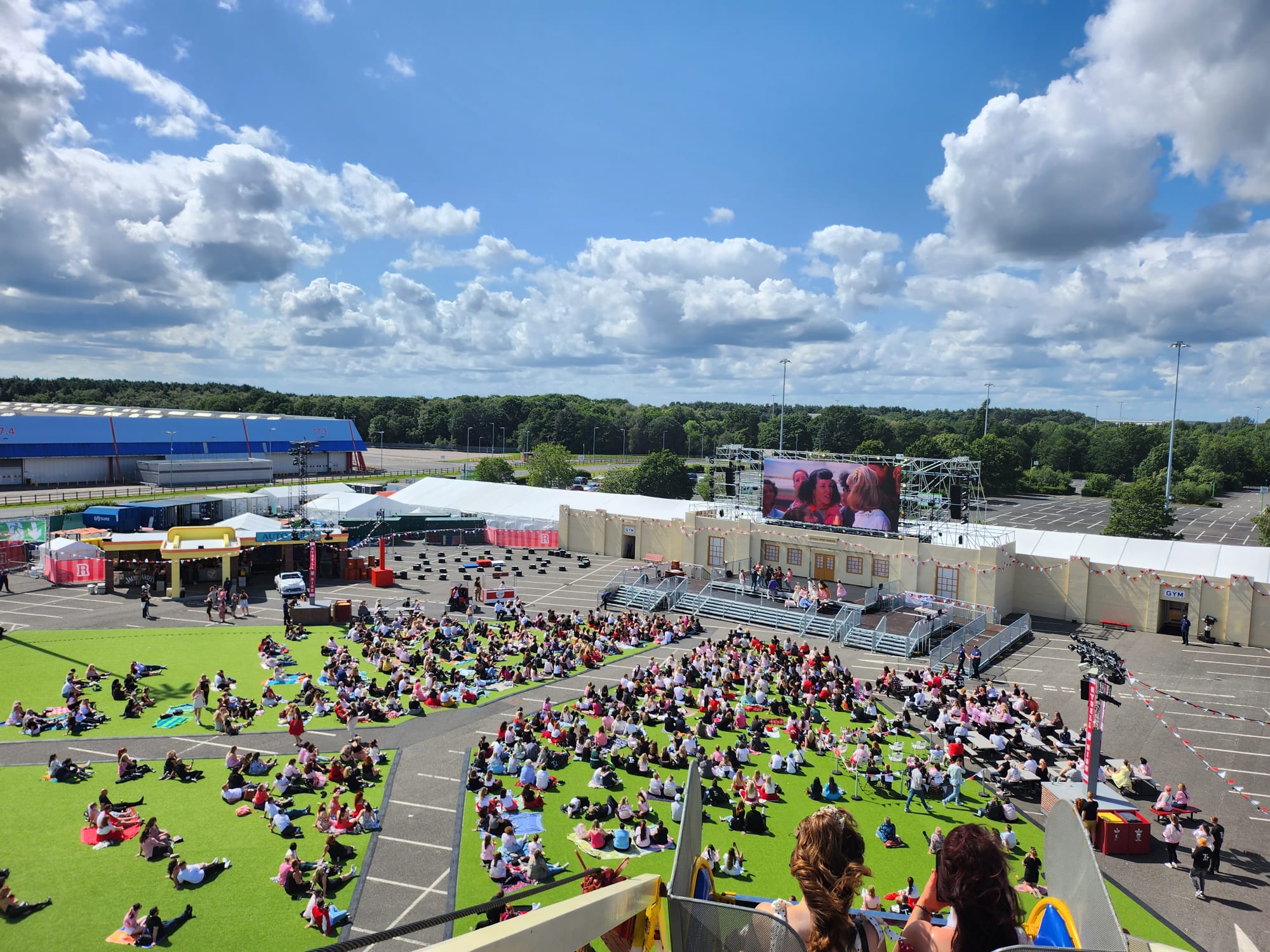
Grease: The Live Experience at Birmingham’s NEC in 2023 retained the traditional free-roaming format on a smaller scale. After – rumour has it – its intended London venue fell through, Secret Cinema took Rydell High to Birmingham, where audiences could explore, meet characters, follow bespoke storylines, and shape their own night before sitting down to enjoy the film.
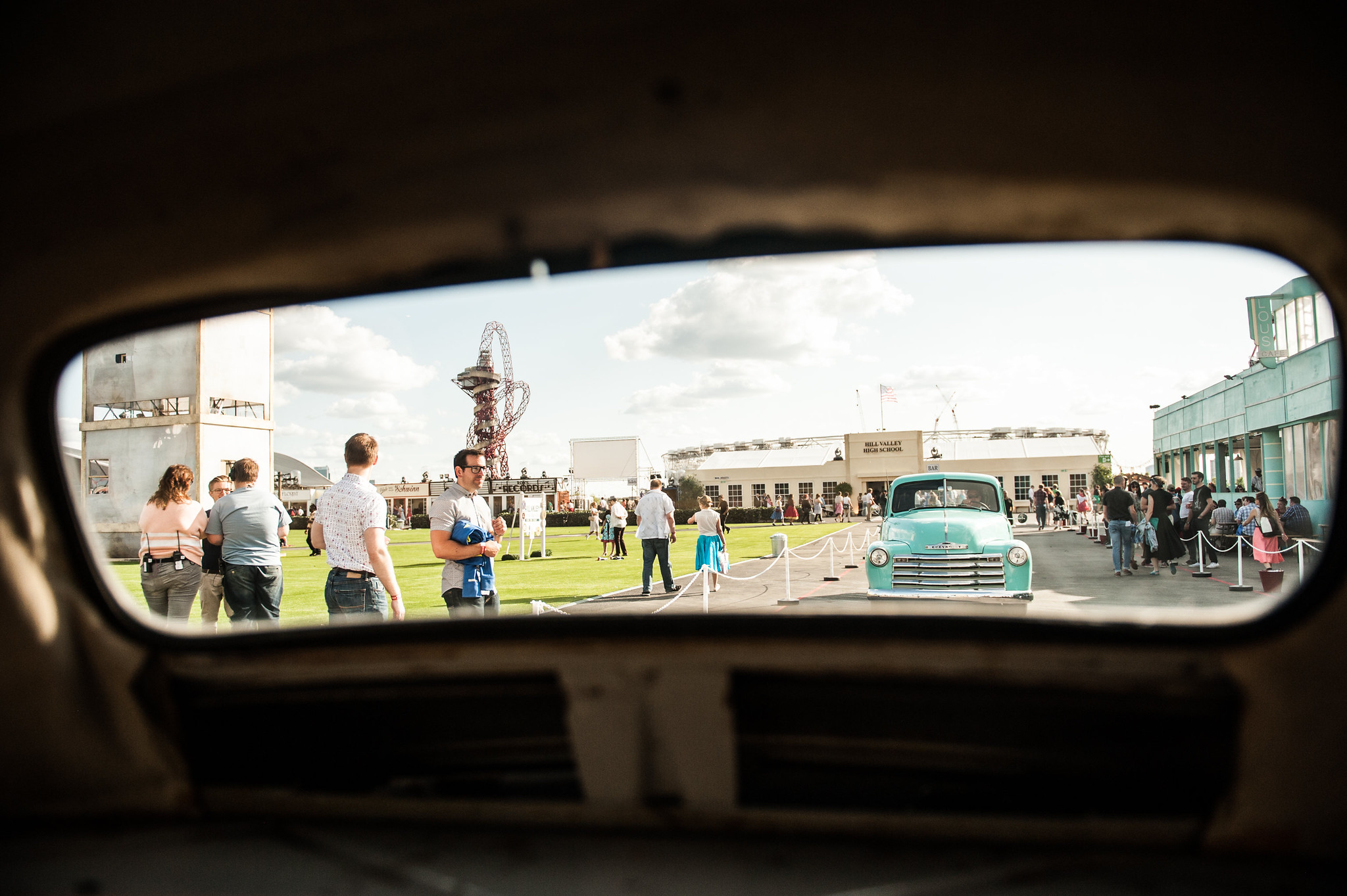
When Grease: The Immersive Movie Musical arrived at Evolution Battersea in 2025, it was not a recreation of that production. It was a confident reinvention.
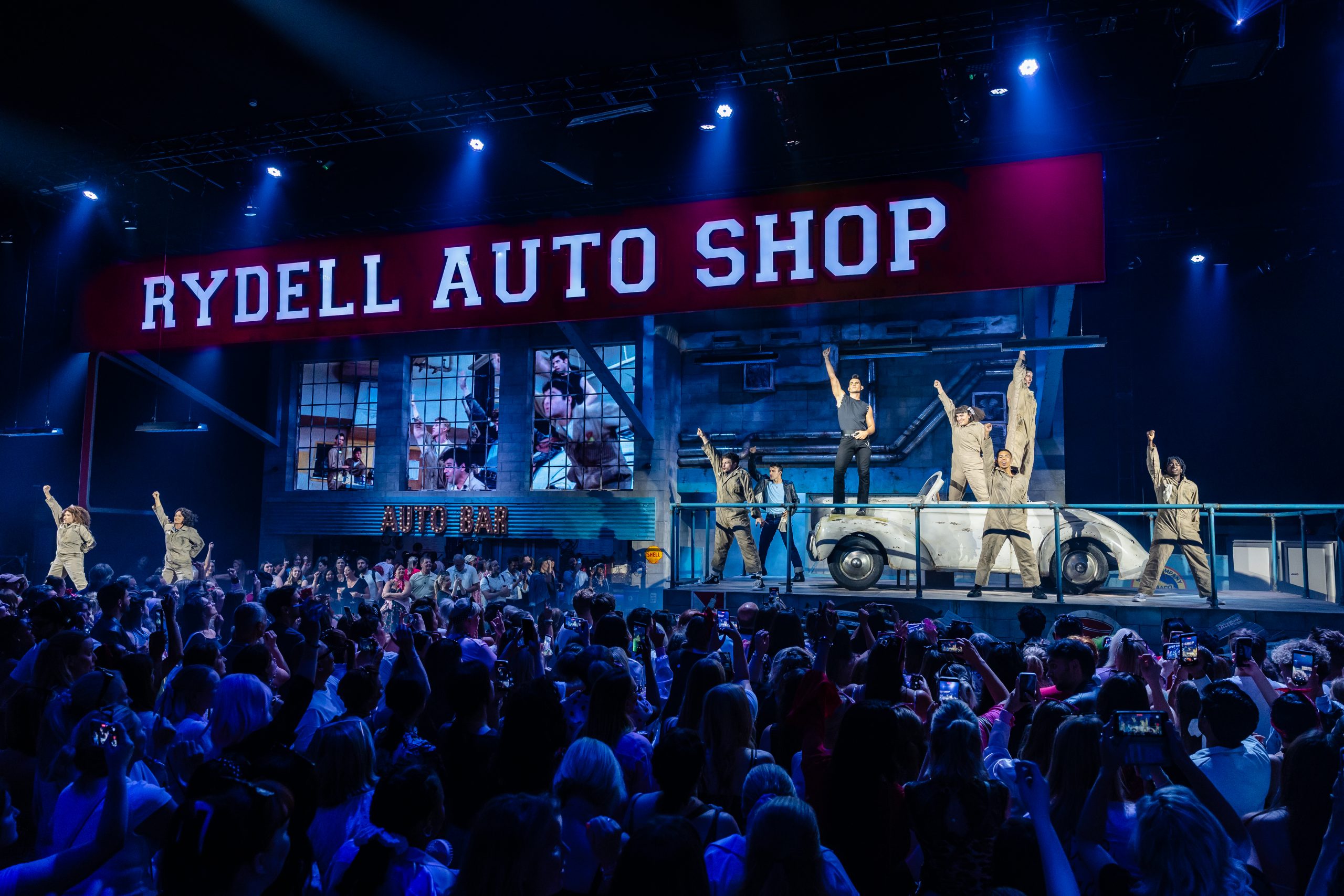
Instead of building an exploratory world around a sit-down screening, the production integrated the film throughout a structured theatrical event. Live actors, musicians, dancers, cameras, and multiple screens passed the story between them. The film could pause while the band continued. Attention moved from John Travolta and Olivia Newton-John on screen to performers bringing Danny and Sandy to life in the room, before landing on audience members dancing at Rydell High.
It was part film, part musical, part gig, and part immersive experience. Matt describes the ideal creative response as that of a satisfying cinematic twist: ‘surprising yet inevitable’.
Having loved the Birmingham production, I was prepared for this different approach to feel like a reduction. Instead, I found it exhilarating. It took the energy of semi-immersive productions such as Guys & Dolls at the Bridge Theatre and pushed the relationship between audience and performance further. We could hand-jive on stage, enter the KCTV dance-off, join a slumber party with the Pink Ladies, and explore a fairground where the film seemed to be escaping from the screen in every direction.
It was not a traditional Secret Cinema world, but neither was it a traditional musical. That was precisely what made it exciting.
Now returning to Battersea from 22 July to 13 September 2026, Grease: The Immersive Movie Musical (Grease TIMM) demonstrates how Secret Cinema can retain that defining sense of participation while making the experience available to a broader audience.
As Secret Cinema’s worlds became richer, they also became longer. A substantial film might be surrounded by hours of exploration and an after-party. Audiences who had once happily surrendered an entire evening now have careers, children, and babysitters waiting at home. The company has grown older, and many of its earliest followers have grown older alongside it.
‘The whole thing was struggling under its own weight a little bit,’ Matt admits.
The answer is to give the experience a different architecture. Grease TIMM adopts the rhythm of theatre, with regular performances, matinees, a more manageable running time, and seating for those who want/need it. Audiences can throw themselves into the action or enjoy the spectacle from a themed table.
That choice is central to Matt’s understanding of immersion. Participation should be an invitation, not a test. Not everyone wants to complete homework, perfect a costume, or chase an actor down a corridor. Some want to dance, some want to watch, and some need to sit. Giving people more ways into the experience does not weaken the connection. It makes that connection possible for people who might previously have felt excluded.
At its best, accessibility is not dilution. It is an expansion of the game.
It also connects to the commercial reality of producing immersive theatre on this scale. Matt is clear that the work should not become ‘a hobby for rich people’. Reaching more people and building a sustainable company are not separate from the artistic mission. They allow it to continue.
Secret Cinema’s history of transforming found buildings contributed enormously to its mythology, but it also meant investing in generators, toilets, handrails, fire escapes, and everything required to turn an abandoned space into a safe venue. Every production began by making a building functional before the creative team could make it magical.
The company’s permanent home on Greenwich Peninsula will change that calculation. Opening with Pirates of the Caribbean: The Immersive Adventure in February 2027, the purpose-built venue will offer what Matt calls ‘an element of security and, from that, weirdly, freedom’.
With the fundamentals already in place, more energy and investment can go into the world itself. The team can design movement, interaction, performance, and spectacle for a venue it understands, rather than rebuilding the foundations somewhere new each time.
Secret Cinema’s creative evolution has also been made possible by the extraordinary trust it has earned from major studios. Paramount allowed the company to pause Grease, reshape the emphasis of its soundtrack, spread the film across multiple screens, and weave live performance through it.
‘We are now sitting at that table,’ Matt says.
Disney is giving the company room to build upon that experiment with Pirates of the Caribbean. Matt describes the production as an attempt to ‘combine elements of spectacle and elements of free roam’. It will place the relay between film, theatre, live music, and immersive performance established by Grease inside a larger world with more opportunities for exploration.
The appeal of Pirates of the Caribbean feels made for Secret Cinema: taverns, ships, outlaws, secret deals, dramatic escapes, and a world in which almost anyone could plausibly be carrying a hidden mission. The communal joy of Grease and the exploratory thrill of Secret Cinema’s earlier worlds could exist within the same production.
For long-term fans, nostalgia inevitably forms part of the conversation. Secret Cinema works with stories that already carry enormous emotional meaning, but its audiences are also nostalgic for Secret Cinema itself. People remember mysterious emails, elaborate costumes, undisclosed locations, and encounters that seemed to happen only to them.
Matt is interested in nostalgia not as an attempt to reproduce the past exactly, but as a way of making the familiar newly alive. Audiences can ‘re-experience it sort of for the first time’, rediscovering why a story mattered while encountering it from an entirely new angle.
A familiar song brings strangers together. I remember this. You remember it. Now we are standing together inside it.
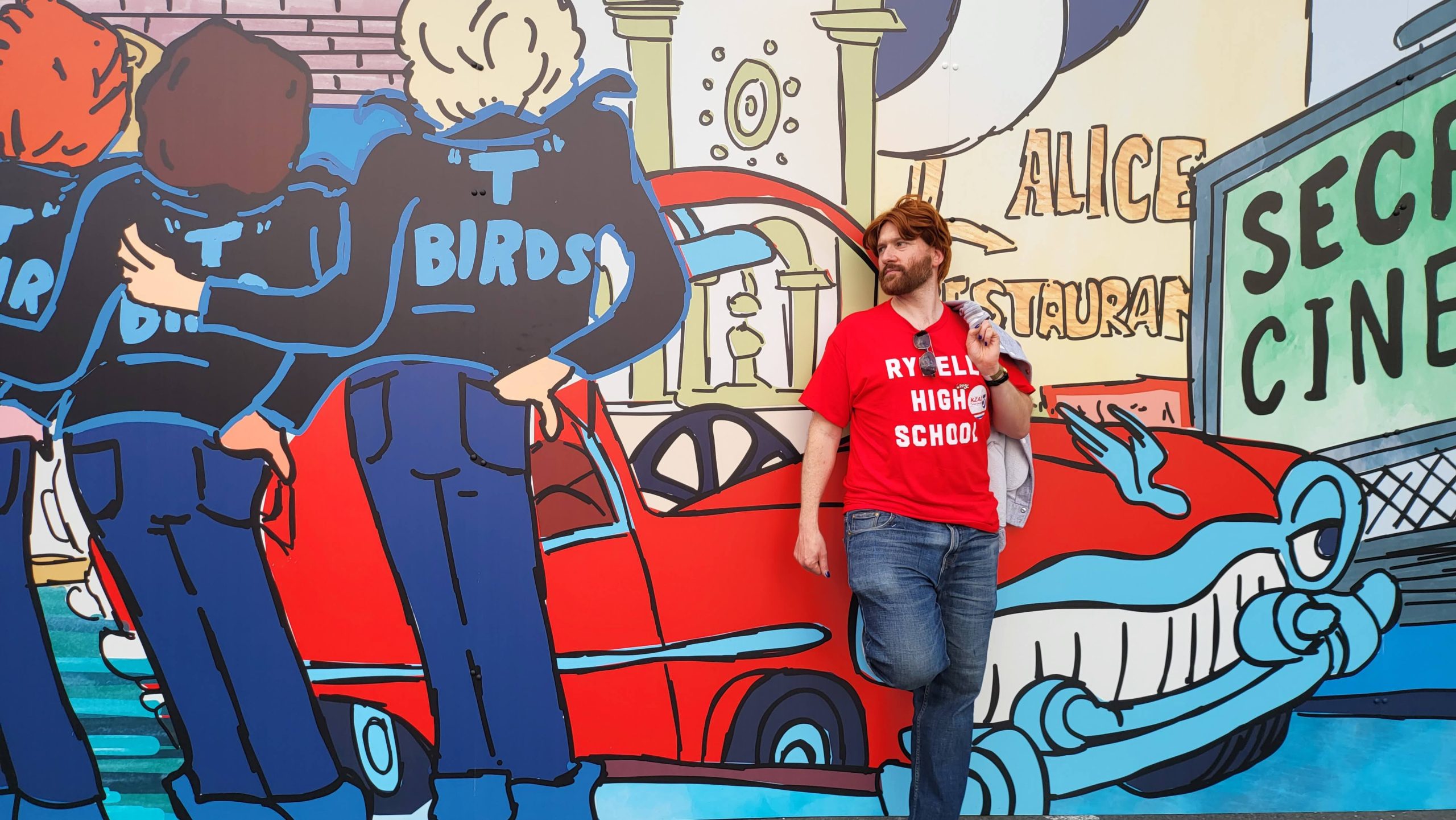
That communal feeling may ultimately be more important than any particular format. Matt talks about the value of ‘being in a room with other people and feeling the air move’, singing, dancing, and breathing together. In an increasingly digital and solitary culture, Secret Cinema creates temporary communities around the stories people love.
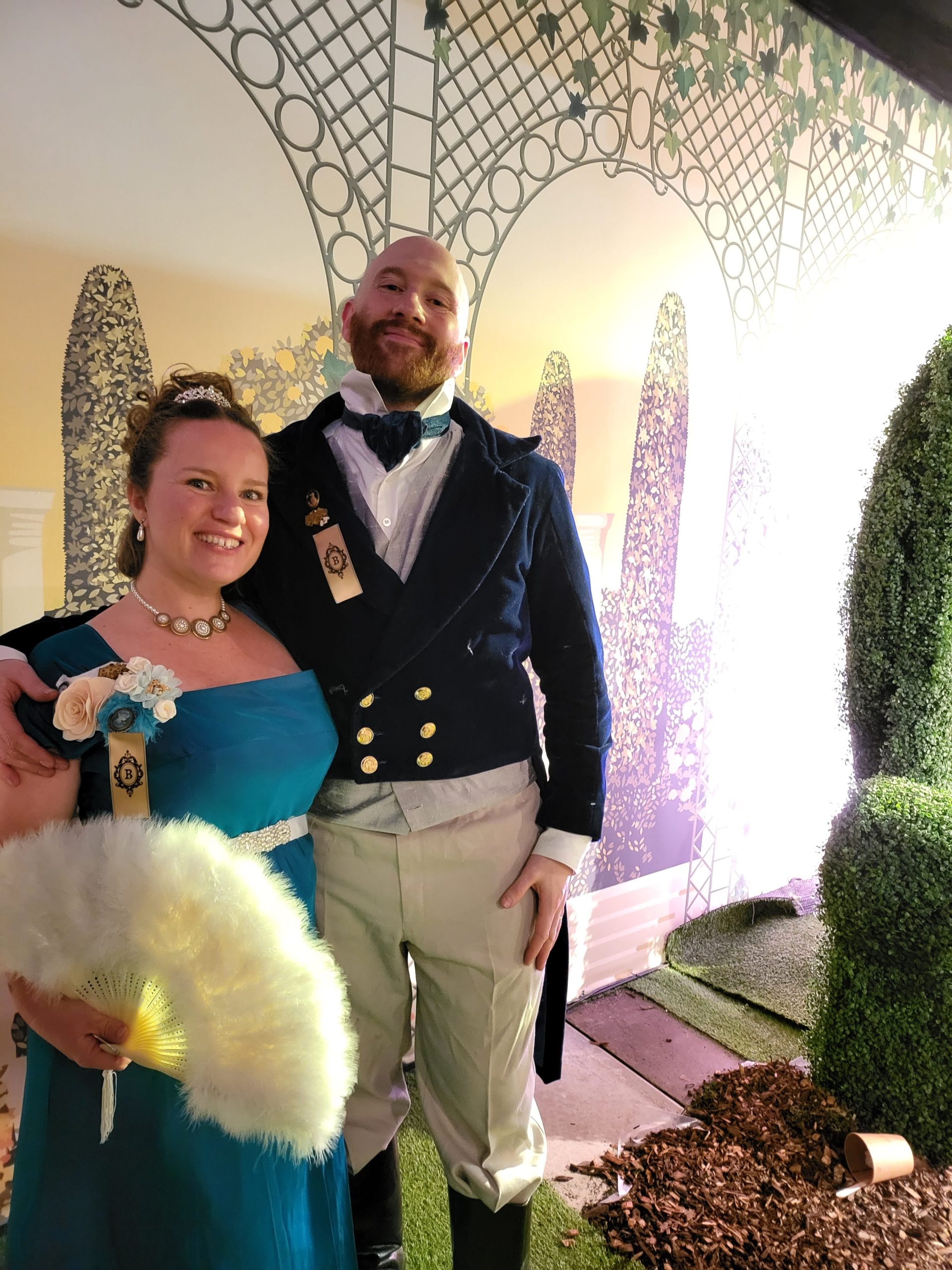
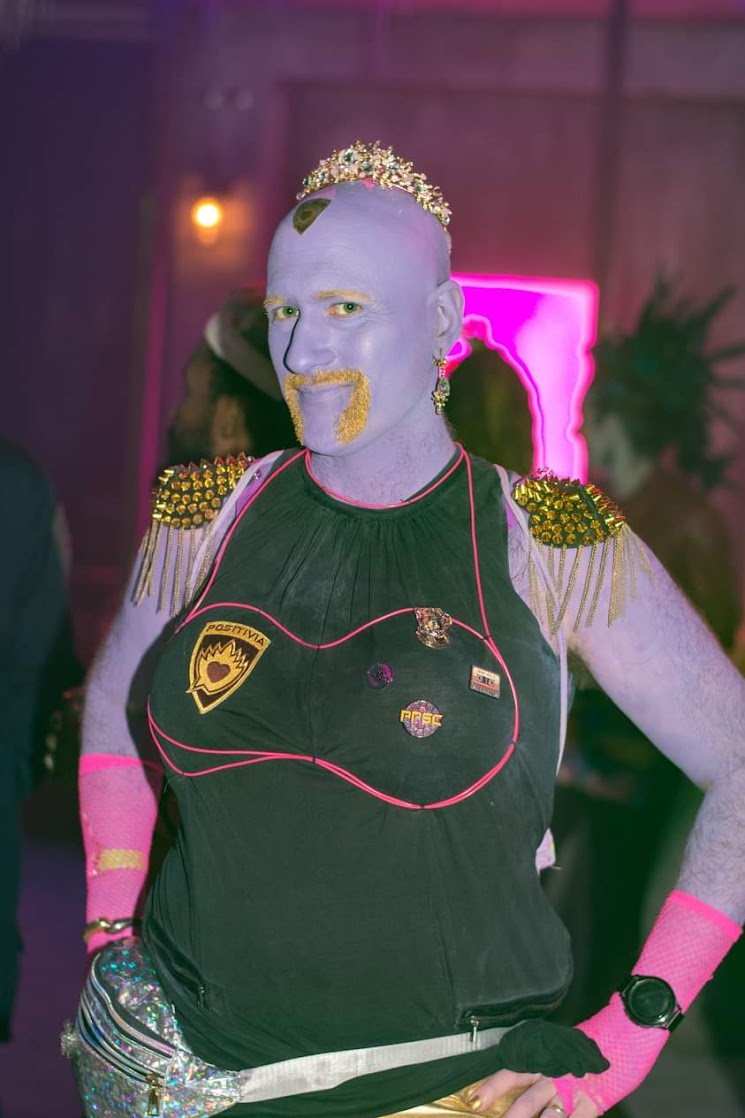
Sometimes, those communities last far longer than the productions themselves. Through the Positive People of Secret Cinema Facebook group, a dedicated fan group for SC and any immersive theatre, my wife and I have connected with people who have become some of our closest friends.
Secret Cinema’s illusion is built from scenery, actors, music, and cinematic mythology, but it is completed by a room full of people agreeing to believe together.
Familiar titles currently provide the clearest invitation into those communities. Yet Matt can imagine a future in which one production uses more film, another uses less, and another uses none at all. Commercial success could provide the stability from which stranger, less predictable work might grow.
Matt still remembers Secret Cinema’s beginnings as ‘a bunch of people in the back of a van doing one-nighters and not asking permission for very much’. The company cannot recapture that energy by pretending the intervening years did not happen. It now works with major rights holders, welcomes far larger audiences, and carries responsibilities that an insurgent start-up did not.
What it can do is build a future that has room to hold both the spectacular and the secret.
Matt hopes that a settled, successful Secret Cinema might eventually support an experimental wing capable of recapturing the spirit of the Tell No One years: the thrill of receiving an email instructing you to meet on a train, without knowing where the night will lead.
The company’s magic has never depended upon repeating the same trick. It lies in making us believe that a screen can become a doorway, a crowd can become a community, and a familiar story can feel new again. With Grease returning to Rydell High and Pirates of the Caribbean waiting on the horizon, Secret Cinema is not leaving its past behind. It is using everything it has learnt so far to imagine what comes next. I for one can’t wait!
Grease: The Immersive Movie Musical is playing at Evolution Battersea until September 13th 2026
Book tickets at GreaseTheImmersiveMovieMusical.com
Pirates of the Caribbean: The Immersive Adventure runs from February 16th to April 25th, 2027
Book tickets at PiratesOfTheCaribbeanImmersive.com
Words Nick Barr