Getting the place at university, landing the internship or accepting the job is the exciting part. Then comes finding somewhere to live, deciphering the rental market and figuring out how to make one of the world’s biggest cities feel like home.
I moved to the UK in 2009 to do a master’s at Durham, having never set foot in the city. I had two suitcases, a year of study ahead and a picture of Durham pieced together from a prospectus and a handful of photos on the internet. I arrived 24 hours after I’d set off, and that was the start of my new life in the UK.
Durham is a small cathedral city, a world away from London in scale. But starting over in a country you’ve only seen on a screen feels much the same wherever you land. The excitement turns up on schedule. The paperwork, the homesickness and the small daily confusions turn up unannounced.
Those are the parts that rarely make it into anyone’s plans: trying to understand guarantor requirements from abroad, working out whether “furnished” means actually furnished, or discovering that the neighbourhood you were sure you needed isn’t the one that suits your life.
Alessandra has been through most of it. She first moved to London in September 2023, shortly after completing her undergraduate degree at Istituto Marangoni in Milan, and came back a year later for her own master’s. Friends and family who had studied in London had loved it, and she was ready for a change.She had made the decision late in the summer and had just weeks to find somewhere to live.
“I couldn’t travel to London to view apartments, so I had to rely on online listings and photographs,” she remembers. “I also found the paperwork associated with traditional UK rentals – contracts, guarantors, bills and payment requirements – very difficult to understand.”
She was trying to arrange everything while on holiday in Italy. “I remember feeling extremely stressed because I wasn’t completely sure what I needed to do.”
Renting from another country
For Alessandra, securing the apartment wasn’t the end of the process. Once she arrived, she discovered that work on the property still needed to be completed and, despite it being described as furnished, she needed to buy additional household items to make it properly comfortable.
“This added another layer of cost and stress at a time when I was already adjusting to a new city,” she says. “I also didn’t have a dedicated person I could easily contact when I needed help.”
It’s easy to obsess over photographs and postcodes when searching remotely, but the less glamorous questions can prove far more important. How do you collect the keys? What exactly is included? Are towels and linen provided? Is Wi-Fi already connected? Who do you call when you can’t work out an appliance?
Student Luxe, which provides luxury student accommodation London and young professionals in London, says these are among the questions it receives most frequently from people organising a move from overseas. It also doesn’t ask for UK guarantors or credit checks, which removes one of the hurdles that tripped Alessandra up the first time.

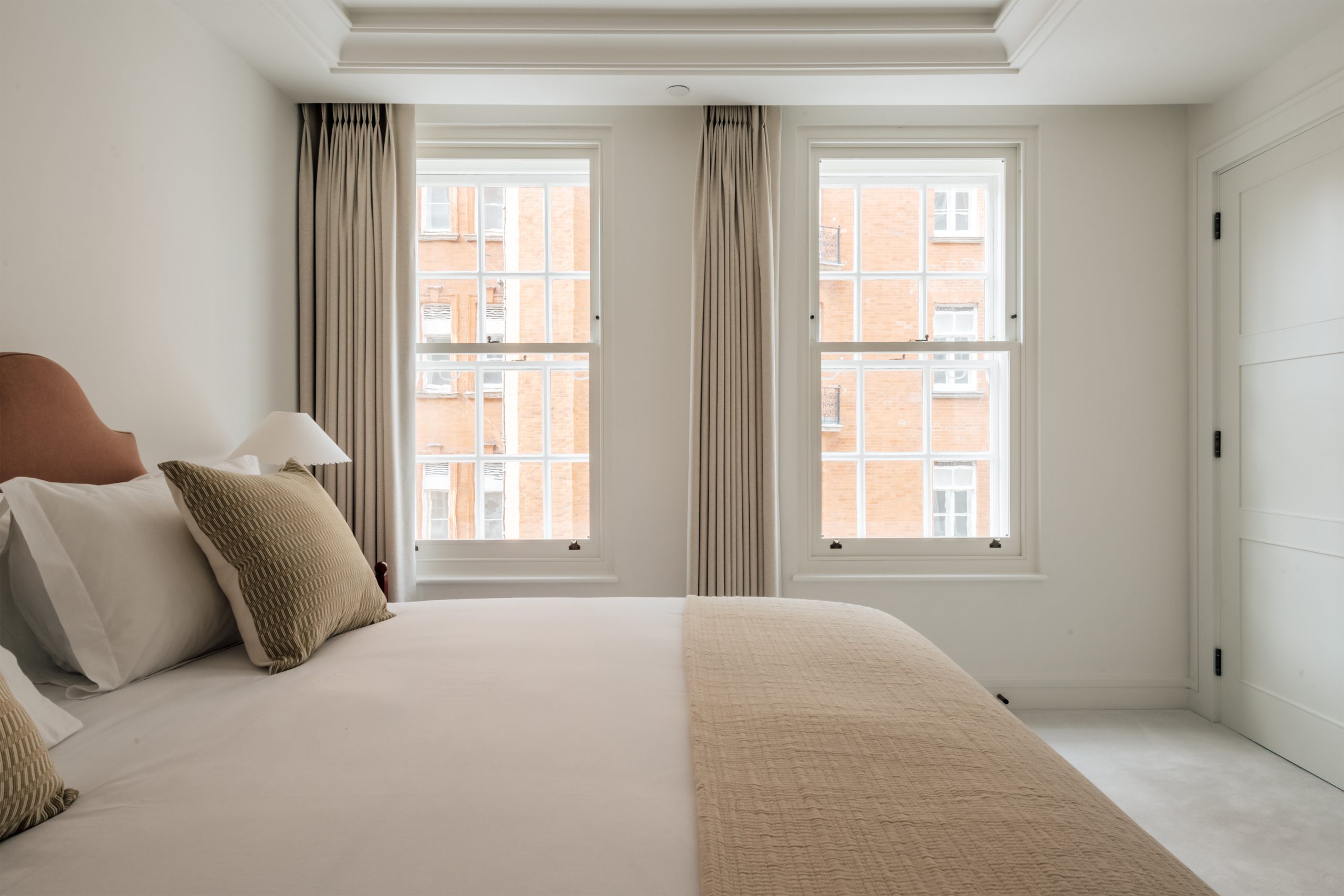
When she returned in September 2024 to study at Hult International Business School, she approached the search differently. Being active is an important part of her routine, and during her first year she had realised how much she wanted a gym in her building, particularly through a London winter. So she went looking for one, and her search led her to Student Luxe.
This time, one person, Edoardo, handled everything from her first enquiry, and he did it in Italian. The apartment was ready when she arrived, with bills included.
“It also reassured my mother,” she says. During that first year, her mother had been dealing with rent, bills and practical problems from abroad. Living abroad also means keeping an eye on what family back home needs while you cover a deposit and your first month’s rent. If you support relatives in the Philippines, choosing a regular day after payday to send funds from the UK to the Philippines keeps that task from getting lost among the costs of settling in.
Don’t choose your London life from a photograph
“The first time, I concentrated mainly on the location and the online presentation of the apartment,” Alessandra says. “Having now lived in London, I would look much more closely at the overall experience: the support available if something goes wrong, what is included in the rent, the daily commute, and whether the building and surrounding area suit my lifestyle.”
Student Luxe sees a similar shift among its guests. At the beginning of a search, people tend to focus on price, proximity to university or work, location and how an apartment looks. Once they have lived in the city, transport connections, nearby supermarkets and cafés and the wider neighbourhood carry much more weight.
So think about more than the apartment itself. Think about the Tuesday morning you’ll eventually spend living in it.
It also helps to remember that you don’t yet know what your London life looks like. The neighbourhood you’ll love, the commute you’ll tolerate and the places you’ll visit every weekend can’t be worked out from Google Maps before you arrive. Alessandra’s second search was easier because she had already lived the first version.
For someone coming to London for a term, an internship, a placement or a fixed-term role, there is even less reason to treat that first address as a forever decision. Flexible accommodation gives you time to learn the city before you commit to a corner of it.
Your postcode isn’t your personality
There are certain London neighbourhoods that travel internationally before you do. Mayfair. Covent Garden. Chelsea. Shoreditch.
That familiarity can make them an obvious starting point for someone searching from another country. But London is really dozens of neighbourhoods with very different rhythms, and the place that sounds most exciting from afar isn’t automatically the one that will make your everyday life easiest.
Alessandra already knew people around South Kensington and Marylebone, which helped with her first decision. For someone who has never visited London, she acknowledges that the choice can be overwhelming. So start with the life rather than the postcode.
Where will you be travelling most days? Which transport connections will you actually use? Do you want restaurants and nightlife outside your door, or would you rather come home somewhere quieter? Is having a gym nearby important? Green space? Friends within walking distance?
Student Luxe says it often encourages international residents to look beyond the handful of areas they already recognise. Fitzrovia, Bloomsbury and Holborn rarely make the international shortlist, yet they put you within walking distance of UCL, LSE and King’s. Once people have lived here, they tend to become more open-minded about location as they discover how well different neighbourhoods connect to the rest of the city.
The boring details become luxuries when you’re far from home
Nobody fantasises about moving to London because their new apartment comes with towels.
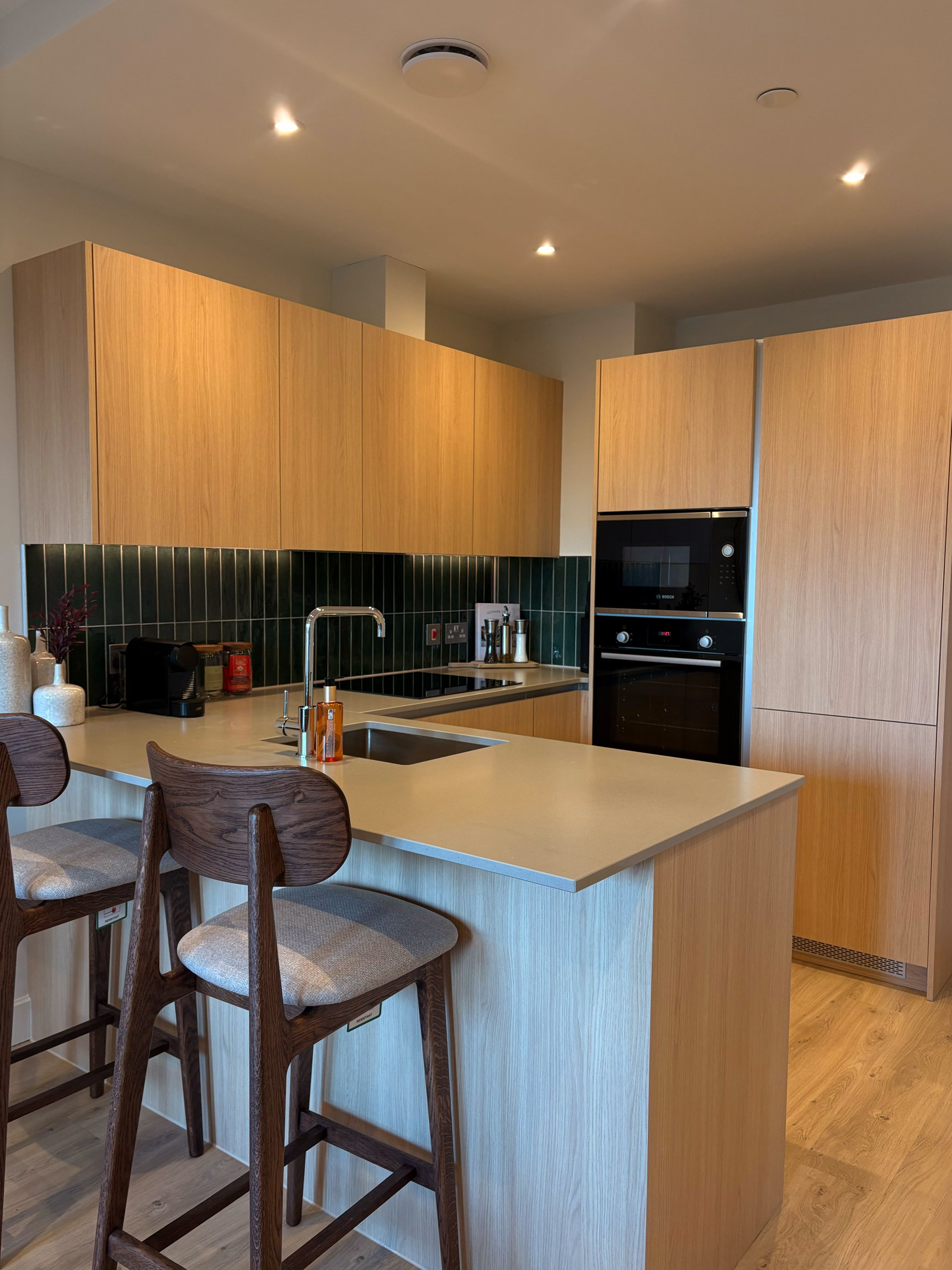
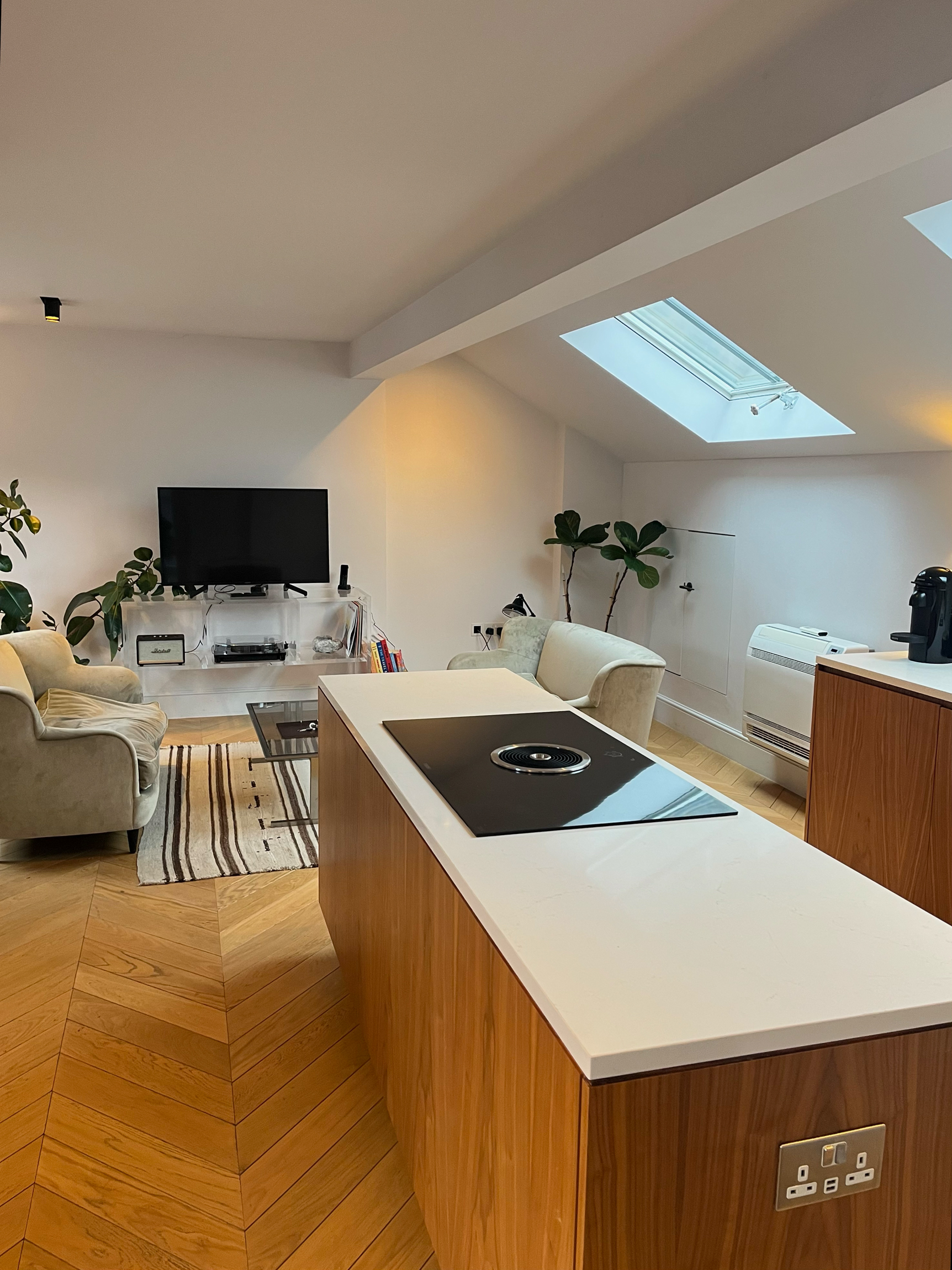
And yet, when you’re arriving with suitcases after an international flight, discovering that your Wi-Fi works, the kitchen has what you need and there’s someone to contact if something goes wrong can be a huge relief.
There are bank accounts and phone numbers to sort. New transport systems to learn. Supermarkets to find. Appliances that inexplicably seem to require a degree to operate. Perhaps you’re studying or starting a new job at the same time. And underneath all of it, you’re trying to establish a normal routine while almost everything around you is unfamiliar.
When Alessandra first arrived, she describes feeling both excited and overwhelmed.
“London seemed enormous, everything worked differently from Italy and I was away from my family, friends and usual routine.”
And then, one day, it starts feeling like home
For Alessandra, there wasn’t a dramatic moment when London suddenly became hers. It happened gradually, through repetition: the favourite restaurant, the supermarket near her apartment, the place she liked going for breakfast at the weekend, her Lagree studio, her gym, becoming confident on public transport and, most importantly, building a circle of people around her. It helped that the reception team at her Student Luxe building soon knew her well enough to help fasten a Halloween corset she couldn’t do up alone.
You can research neighbourhoods, compare apartments and organise every practical detail before your plane touches down. But you can’t schedule the point at which a foreign city starts to feel familiar.
“Don’t worry if London doesn’t feel like home immediately,” Alessandra says. “Give yourself time to find your people, your places and your routine.”