
Timothée Chalamet and Jacob Elordi have a new side hustle selling Danish furniture… Except, of course, they don’t.
The two suspiciously familiar faces are Miles Mitchell and Tunahan Aydin, lookalikes of Chalamet and Elordi who have found themselves part of one of the internet’s stranger recent phenomena: people becoming famous for looking like someone who’s already famous.
Mitchell knows this world particularly well. He won a Timothée Chalamet lookalike competition, joining the wave of celebrity doppelgänger contests that have turned up everywhere from New York to London and briefly made standing in a park looking vaguely like an actor a viable route to internet fame.
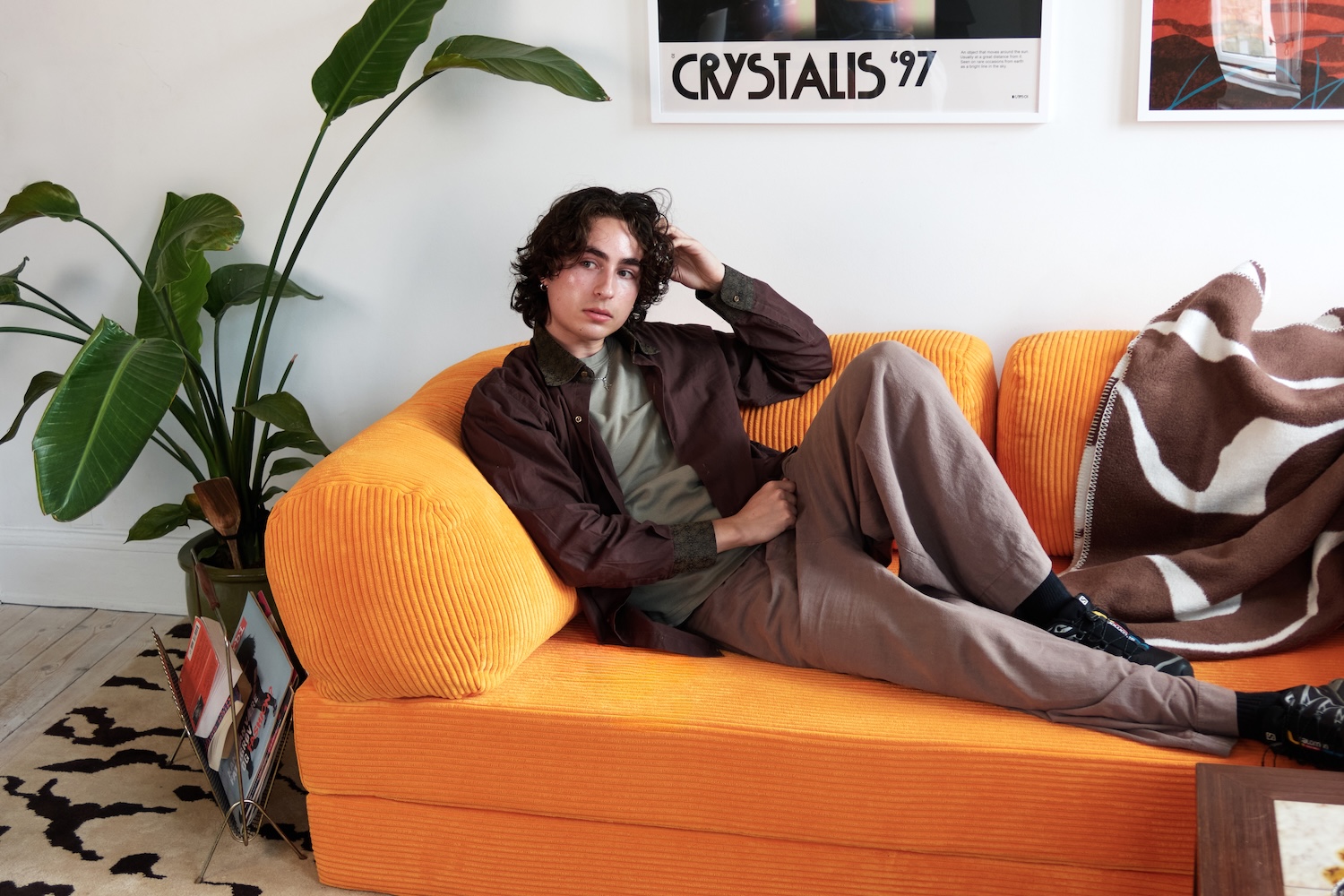
Now he and Aydin have been given another job. They’re selling a fake sofa. Or, more accurately, a real fake sofa. Confused? That’s sort of the point.
The pair have been recruited as “dupefluencers” for a new campaign built around the internet’s growing obsession with dupes – cheaper products designed to look remarkably similar to more expensive originals. But rather than another anonymous manufacturer copying somebody else’s design, this particular dupe has been created by the company responsible for the original.
Danish furniture company OMHU makes the TEDDY, a low-slung modular sofa that has become widely copied online. Instead of pretending those copies don’t exist, the company has decided to join them, producing a cheaper lookalike of its own sofa called TEDY. One fewer D. Considerably less money — £599.99 instead of £1,495.
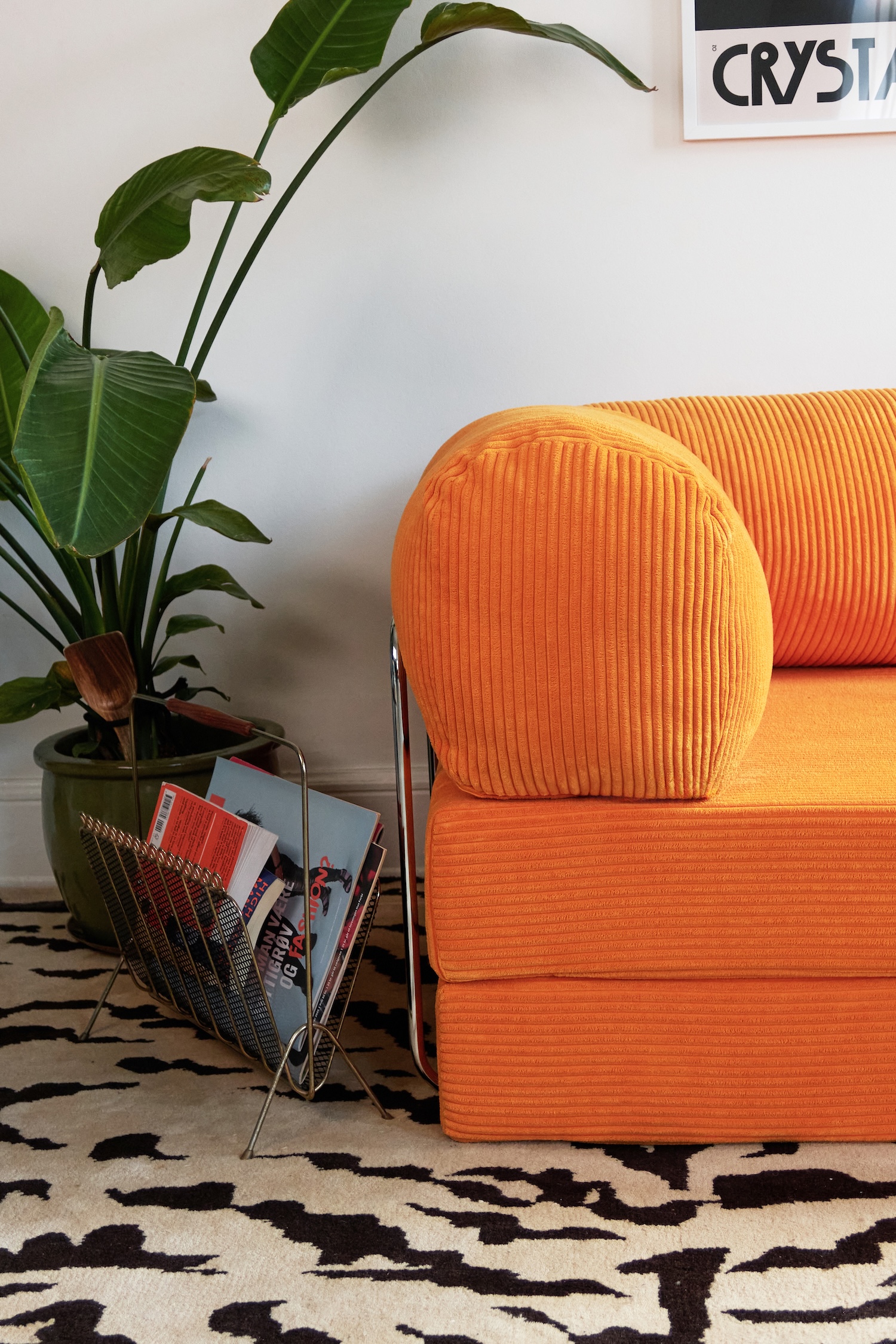
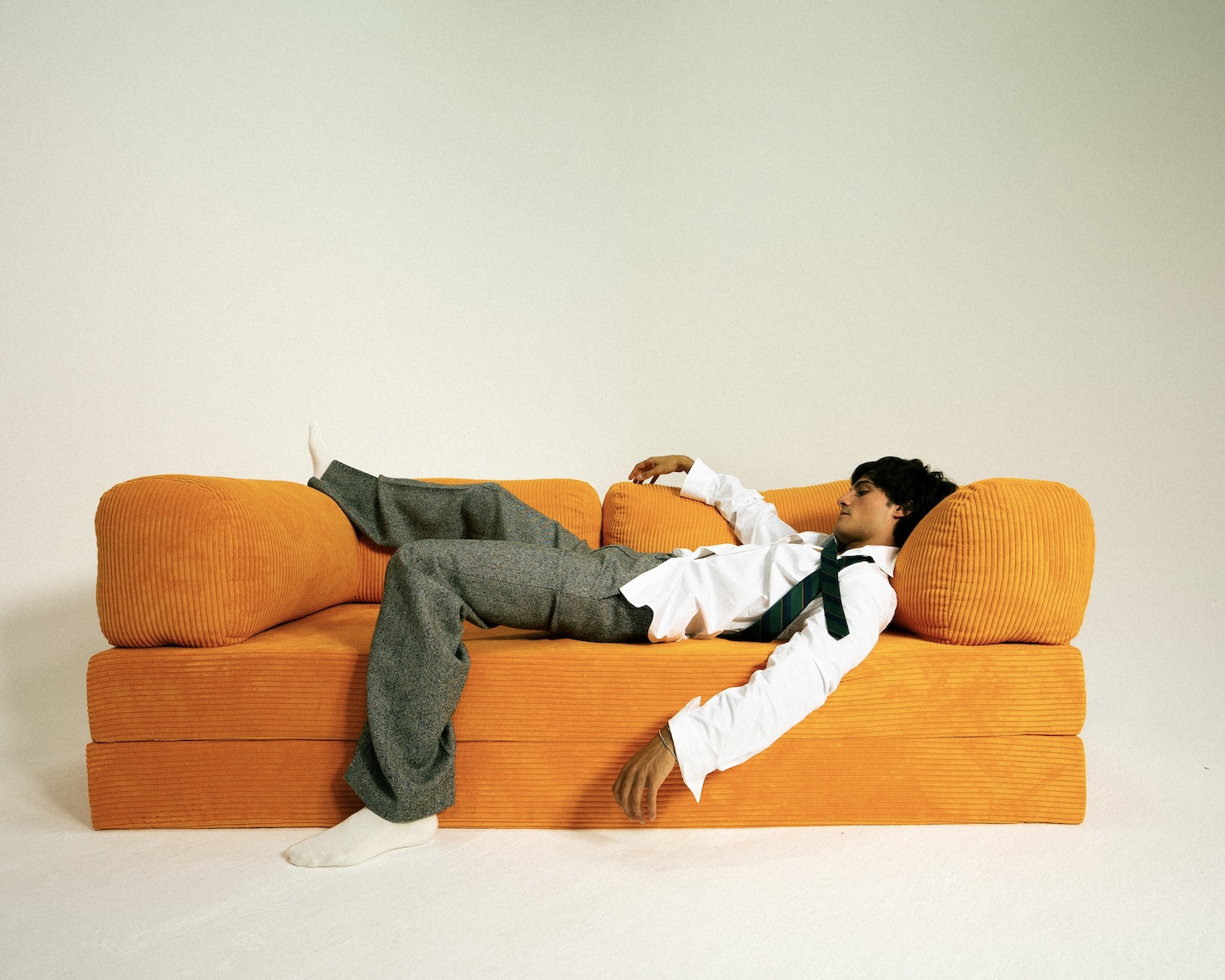
And apparently the logical people to sell a lookalike sofa are lookalike celebrities.
It’s an enjoyably stupid idea that also happens to land in the middle of a much bigger cultural shift.
Not long ago, admitting you’d bought a knock-off wasn’t necessarily something to advertise. The internet changed that. TikTok and Instagram are filled with people enthusiastically sharing alternatives to expensive clothes, cosmetics, furniture and accessories. Search for almost any desirable product and someone, somewhere, will tell you they’ve found something that looks almost identical for half the price.
The language changed with it. A “fake” sounds embarrassing. A “dupe” sounds clever. There’s an entire culture built around finding them.
Celebrity lookalikes have undergone something similar. What was once novelty entertainment has become its own strange internet ecosystem, fuelled by viral competitions, memes and the possibility that looking sufficiently like Timothée Chalamet might suddenly put your face in front of millions of people.
Put the two together and you arrive at Mitchell and Aydin posing with a sofa that is itself pretending to be another sofa. It’s difficult to know where the original ends anymore.
And perhaps that’s the more interesting part. We live in a cultural moment where almost everything can be replicated: furniture, clothes, aesthetics, faces, voices, content. Sometimes the imitation is frowned upon. Sometimes it becomes more viral than whatever inspired it. The internet doesn’t seem particularly bothered by the distinction. It just wants to know which version is more interesting.
For one weekend at least, that might be two fake Hollywood actors sitting on a fake version of a Danish sofa.
Very 2026.
Discover more about The Iconic Dupe and the story behind TEDY at iconicdupe.com — or, ironically, get the sofa on Temu, Etsy and dupe.com.