You can put the controller down. Close the laptop. Even turn the TV off entirely. But most of the time, our brains can’t do the same. Sleep feels miles away while our chests remain tight.
Your brain doesn’t have an off switch
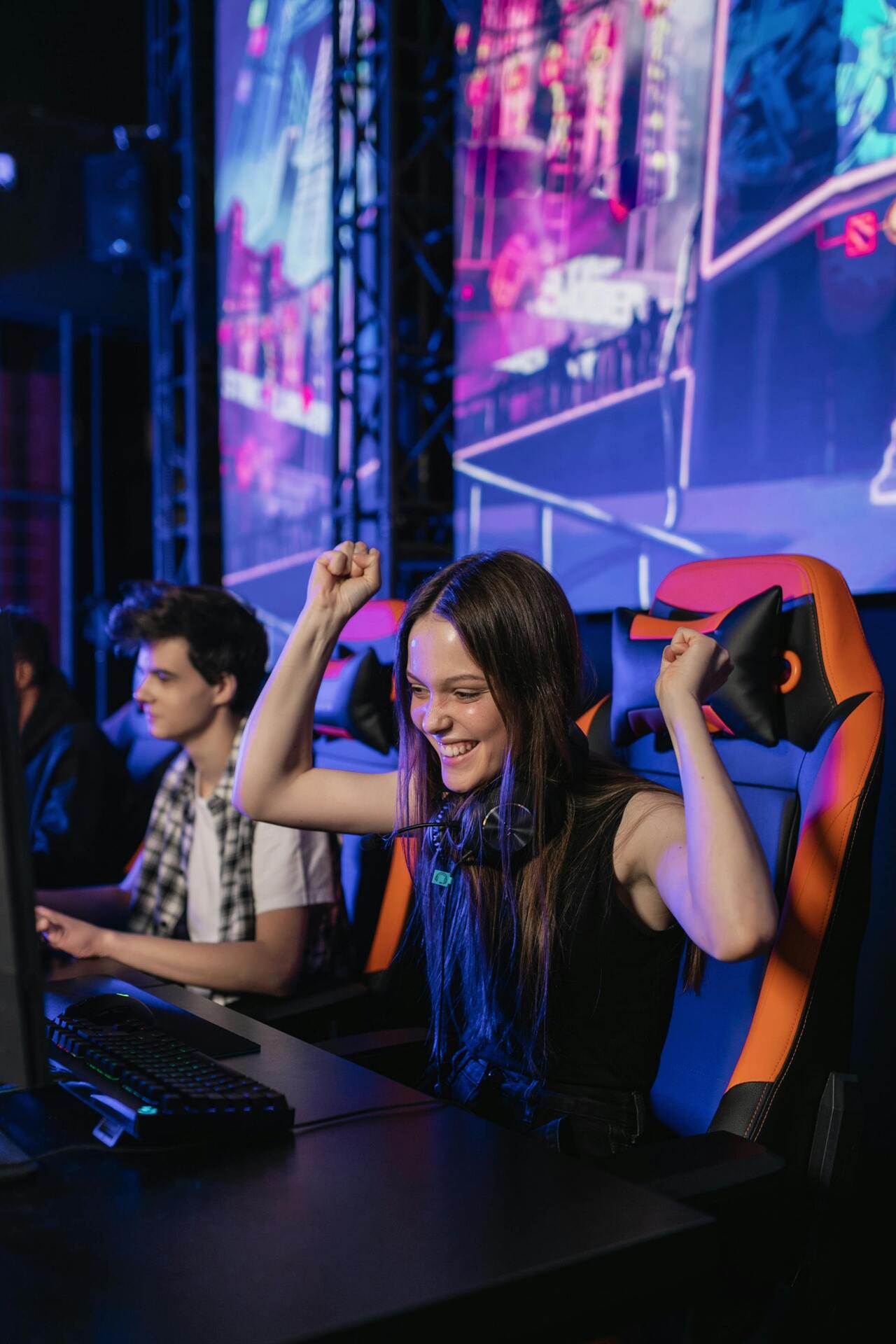
Gaming needs a very active mind. It’s far from passive, like watching TV, because it needs quick decision-making and a lot of attention. Sometimes you’re completely on edge, awaiting danger, adrenaline is spiking, and your sympathetic nervous system is in full throttle. The issue is that there’s no quick way back from this, because it’s the same mechanism as seeing a brown bear on your trail walk.
Your prefrontal cortex (impulse control, planning, emotional regulation) stays after you log off. Researchers have found this as cognitive arousal persistence, and a 2020 study found associations between evening gaming and elevated arousal that delayed sleep onset.
Of course, not all games are equal. Wingspan (birding card game) is not going to light up your amygdala as much as, say, Valorant or Call of Duty. In fact, the former may be more similar to reading a book or playing chess (though you’re still getting blue light from the screen).
The role of cortisol
As touched on already, your brain doesn’t distinguish well between a real threat and a virtual one. When your game depends on not letting down teammates, survival, and your competitive self – in that moment, when you’re being chased down by a level you’re so close to getting through – it’s the same. Cortisol rises, just like if you’re chased in real life.
We here about this from stand up comedians and athletes. The body needs time to metabolise stress hormones, so evening events can often get in the way of sleep. But even in the day – it’s hard to come off stage, lie down, and begin reading a book. The mind is racing and keeps replaying scenarios.
Ways people try to wind down from game mode
There are two main options to wind down, and they should ideally be done in conjunction with one another.
Firstly, we can make use of external compounds. While some use alcohol, this is not health, or advised. A healthier option is hemp-based options, such as CBD flowers in the UK, which interact with the endocannabinoid system (helps regulate stress) to bring you down a level. Magnesium can also help here, and maybe even herbal remedies like valerian root.
Secondly, there are physiological things we can do to our body. The best is box breathing (4-7-8 technique) to nudge our parasympathetic nervous system back on (rest and digest). Slow walking can also help metabolise cortisol. But, you may also want to try a hot bath (this doubles as bring your core temp up, giving it room to fall when sleeping, which is necessary for sleep).
When it becomes a pattern worth paying attention to
One late night is one thing but if you’re unable to decompress after gaming on a daily basis, stress will mount and it’ll take its toll – especially if you are already stressed at work. This is supposed to be an escape.
Gaming is unusually sticky when it comes to putting us in a survival mode. It’s just so immersive and reactive, but also its social nature. Ideally, you will end your sessions earlier, and practice winding down with CBD and box breathing. That way, we may actually train our nervous system to be good at regulating itself.