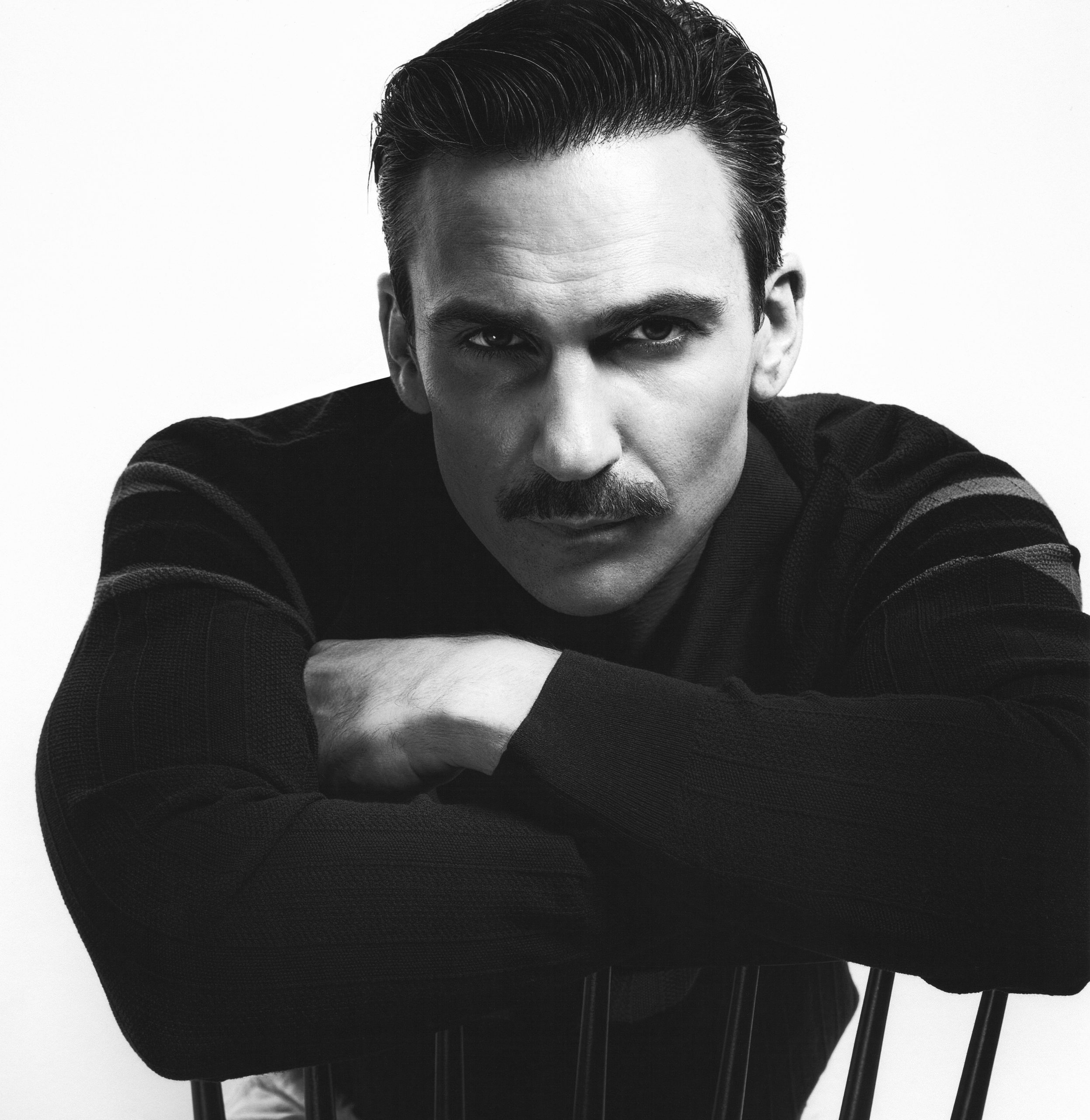
Misha Brown has over 6 million besties. He might be your bestie already. If not, he is almost certainly about to be.
Known online as @YourBestieMisha or DontCrossAGayMan, Misha has built a devoted following through stories that are funny, fearless, theatrical, and often inspirational. Whether he is calling out casual cruelty, sharing moments of everyday connection, or reminding people that self-worth is not something to be earned from others, his voice has become a source of comfort, confidence, and much-needed sass for millions.
That voice now extends beyond social media. His debut book, Be Your Own Bestie, became a New York Times and USA Today bestseller, turning the message at the heart of his platform into something deeper, more personal, and more practical. Part memoir, part self-help guide, and part loving kick up the arse (or ass) for his besties, the book traces Misha’s journey through rejection, sobriety, self-reflection, reinvention, and the decision to finally become the kind of friend to himself that he had always tried to be for everyone else.
When we sat down with Misha during Pride Month, it felt like the perfect time to talk about the work he is doing, not only in queer visibility, but in helping people feel safer, louder, softer, braver, and more themselves. Misha discusses the success of Be Your Own Bestie, the person behind the platform, the dream he had to loosen his grip on, using his voice to make others feel safer, and why none of us need to have all of our shit together to start loving ourselves now.
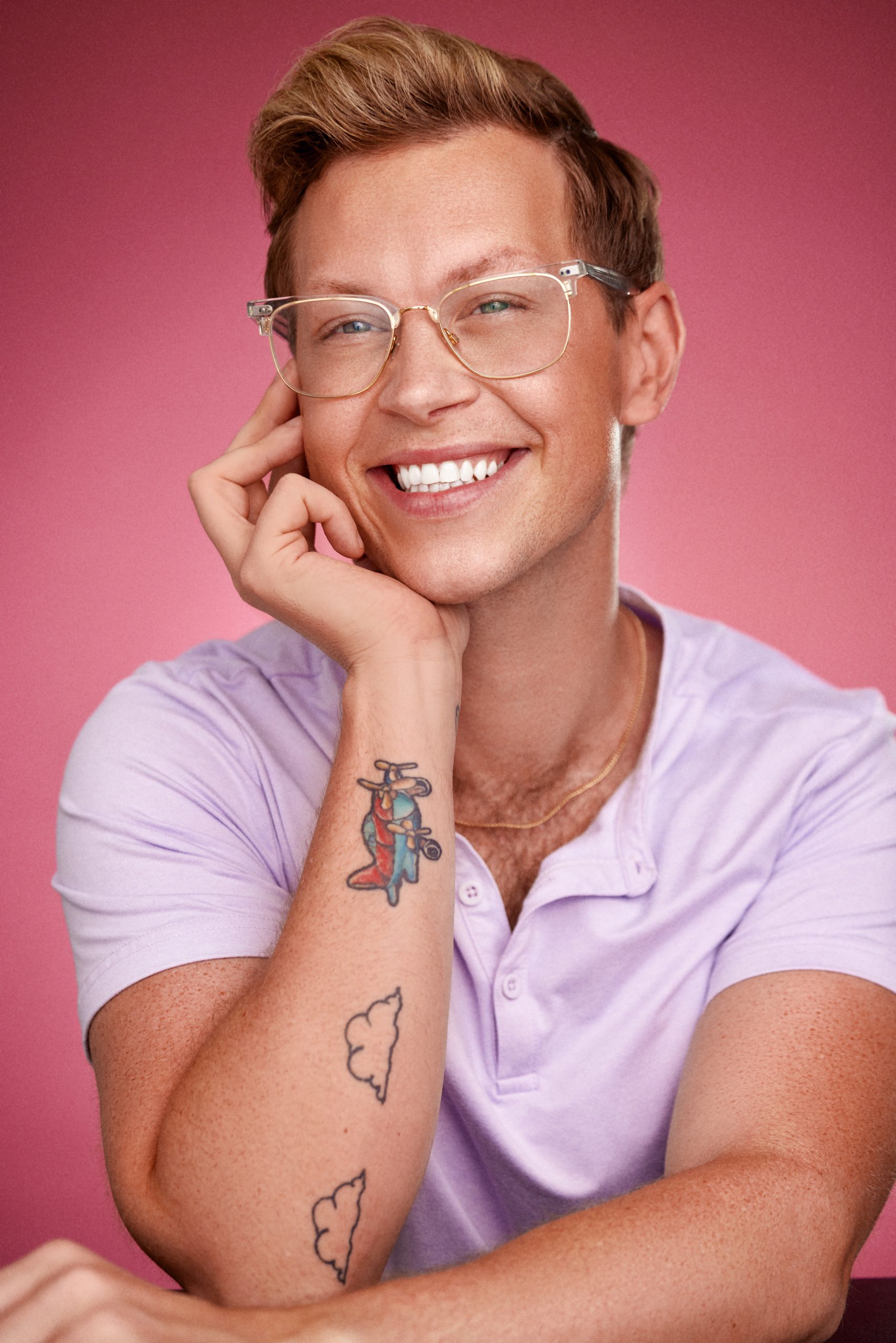
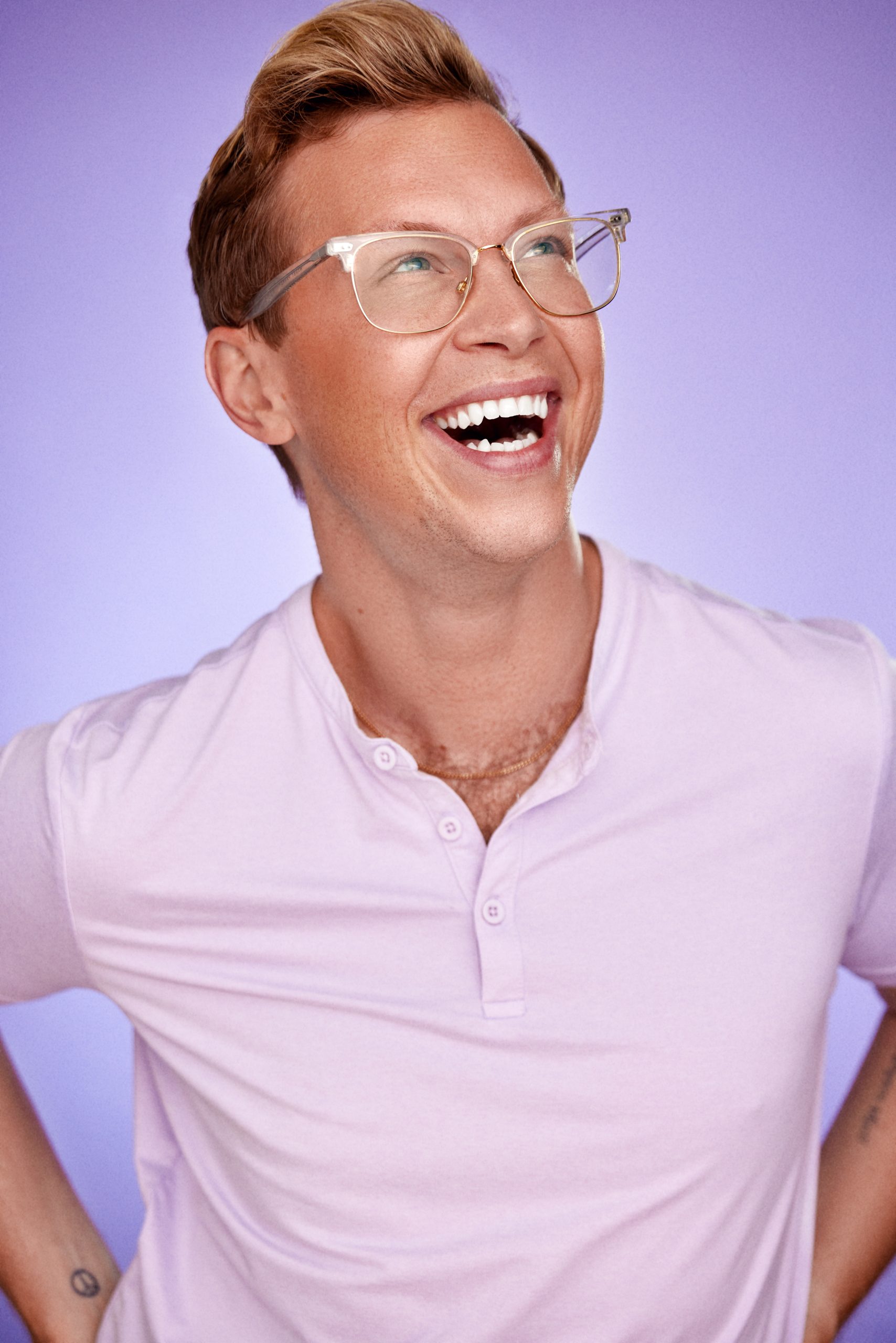
Firstly, I’ve listened to Be Your Own Bestie twice, and I absolutely love it. You’re now a New York Times and USA Today bestselling author. When you launched the book, did you even imagine that was a possibility?
I definitely dreamed it. I talk about in the book that I think it’s healthy, and that we should have these audacious dreams.
After I wrote the book, my publishers, my editor, and my team really hyped me up and said, ‘this is really good, you’re actually really, really talented at this’. Once I had that validation, and I had poured so much love into it, I really wanted it. So yeah, I did imagine it, but I still hold myself planted to the ground. My head is in the clouds, but my feet are still right here on earth. I hoped for the best, but I didn’t expect it.
When it did happen, it was obviously really incredible. It’s a testament to all of the people who are ready to do the work and who got the book.
And a testament to you for writing it!
Well, I am the leader of the Bestiehood, after all.
The book opens with you in that New Jersey hotel room, looking across at New York and realising how far your life had drifted from the one you had imagined. When you look back at yourself in that room now, what do you understand about him that he could not understand about himself?
I realise just how much pain I was in, and a lot of it was my own doing. There were external factors contributing to the fact that my life didn’t look the way I wanted it to, but I was in this constant performance, and I didn’t let anybody in. It was really isolating. The amount that I was struggling felt very lonely.
I know that person was making bad choices and self-sabotaging, but he wasn’t trying to hurt himself. It was survival mode, and it got to a point where we weren’t surviving anymore. I needed to do something about it. When I looked in the mirror and said, ‘why can’t you be your own friend? Why can’t you be your own bestie?’ I went to bed that night with two opposing thoughts in my head. I could keep going on the same path and hope for a mediocre life at best, or I could try something new. Maybe it wouldn’t work out, and maybe it would.
Spoiler… it totally did!
Now, on the other side of it, I can see the value of being vulnerable, opening up, sharing, allowing people in, and the power of being seen.
You describe sobriety as one of the first genuine acts of being your own bestie. What did you have to confront once alcohol was no longer there to numb the disappointment, loneliness, and fear?
I had to face that I wasn’t perfect. I had to face the fact that I did not have my shit together, and that I was accountable for all of this. I allowed things to snowball out of control. I had to face the fact that I was very anxious, and nervous around people. I always used alcohol as a way to be the clown, the performer, and the centre of attention, but it wasn’t genuine.
It was a whole personality shift. I felt like a stranger to myself for those first few months, and that’s really hard. That’s why the first part is titled Self-reflection is a bitch, because it was not easy. It wasn’t a fun process, but I forced myself to do it. It was the first time I really followed through on something that I genuinely wanted. How much more can you love yourself than to give yourself that gift?
The book makes confidence feel practical rather than mystical. What do you say to someone who understands the message, but still feels too depressed, scared, or trapped to act on it?
It’s really hard to confront ourselves because it can feel like we are betraying our past, or betraying who we have been.
It comes down to taking that breath, taking that pause, and not being so reactive to our thoughts. That inner saboteur becomes the norm. It’s really easy for us to fall into this cyclical pattern of allowing our negative self-talk to take over and realising that we don’t have to spiral into shame.
Everybody who looks like they have their shit together is still a work in progress. It’s a never-ending journey. There is always something we can improve upon. I mean the way we believe in ourselves, our confidence, our joy, and letting go of things we have held on to for too long.
People ask me this all the time at my live shows. They’ll say, ‘I understood your message, but I don’t know how to start.’ I tell them, it’s ‘fake it till you make it’, but I’ve reframed that as borrowing confidence.
There are places in your life where you are an absolute badass, where nobody can tell you anything. Tune in to how you carry your body and how you talk to yourself in your head, and transfer that over to a place in your life that needs a little bit of extra love.
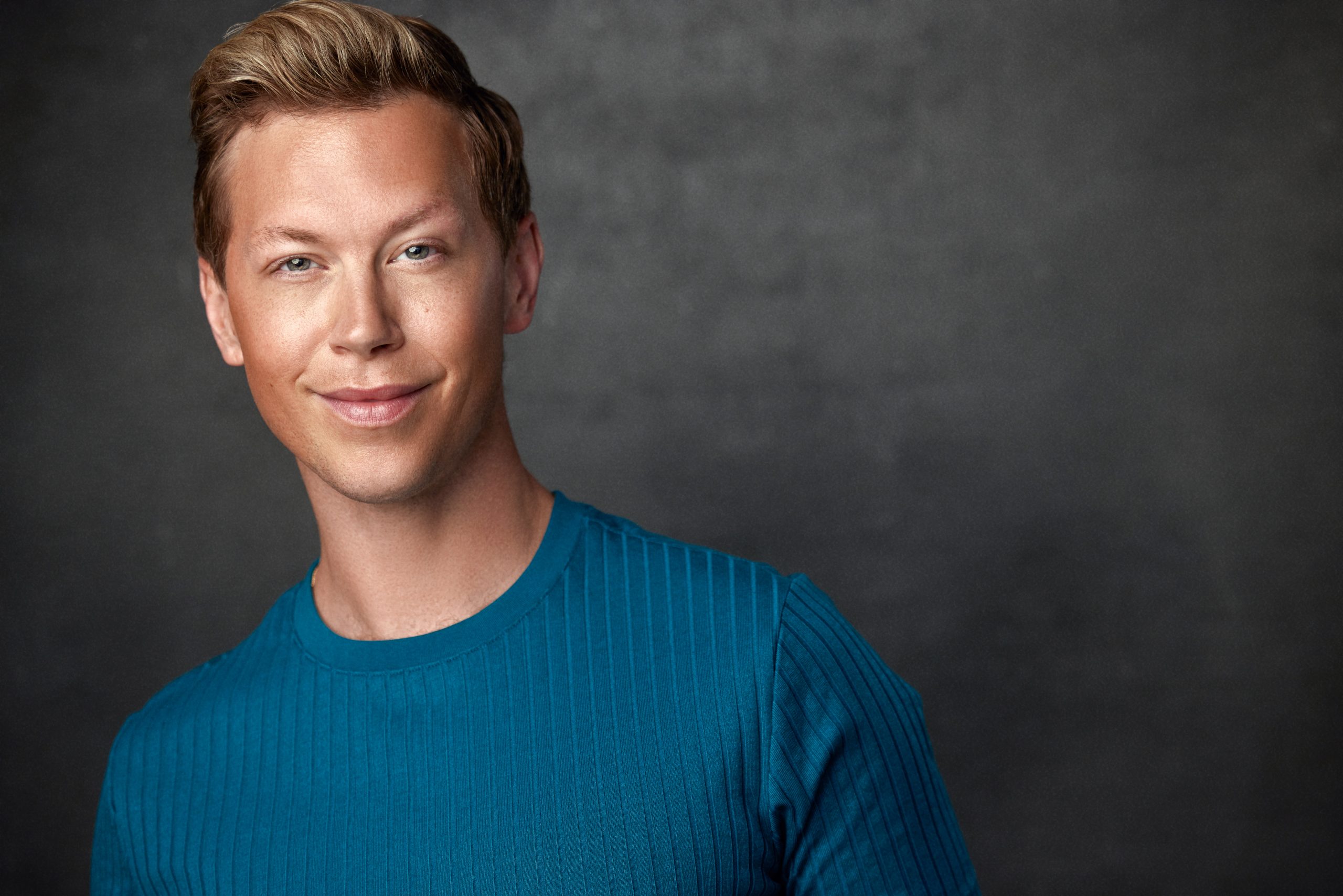
You spent years pursuing musical theatre, working on cruise ships, and trying to build the performance career you had always pictured. How difficult was it to accept that the dream was not going to happen in the way you imagined, and that a completely different future was waiting instead?
It felt like giving up, because I’d put in the work.
I still, to this day, feel that I am talented enough to be on Broadway. It is still a dream that I hold. But the hard part was realising that I had put all of my eggs in this one basket. Every time I got a no, it chipped away at my self-esteem, my confidence, and how much I loved myself, because my entire identity was wrapped up in this dream.
It became a monster. Rather than a dream, it became my nightmare, honestly.
When I randomly went viral on social media and this new avenue of joy and opportunity presented itself, I was able to lean into that opportunity rather than shy away from it because it wasn’t this one dream.
It’s such a blessing that it happened when it did, because I feel like the work I’m doing is important. I feel value in myself. It still feels creative. It really does feed my soul. I realised that it didn’t take away from my first dream. It was just in addition to it. I didn’t have to give up on that dream. It just didn’t have to be the only thing that existed in my life.
When you first started posting on TikTok, did you already have an idea who @YourBestieMisha was going to be, or did that voice and identity just emerge as the audience grew?
All of this is a complete accident. There was no plan.
There was always a message to it, but at first it was more about my bite. It was more about boundaries and the cutting blade that I can have sometimes. I am kind of immalleable when it comes to my ethics, my morals, and what I think is right or wrong.
Over time, people knew that part of my personality. Then I wanted to show that I didn’t have to just do those kinds of videos. There is so much joy here. There is so much love. I talk to people all the time. So I started sharing a lot more of that.
At first, because algorithms don’t like when you do things outside of what you’re known for, those videos didn’t perform well. But I didn’t care. I thought, I’m an angular person. This is a piece of me, and I quite literally don’t give a fuck.
So I kept posting it, and slowly over time, those became way more popular. At first, it wasn’t intentional, but as I wanted it to become my career, I was definitely more intentional with what I was putting out.
Your friendship with Georgia is such a precious part of your story. It began when you noticed she needed help and nobody else seemed to notice or care. Looking back, what did caring for her, and being cared for by her, bring into your life?
We could not have been more opposite on paper.
She was in her 80s, I was in my 30s. She was African-American, I’m white. She went to church, I did not grow up going to church at all. She was from the South, I’m originally from the North.
She was a Baptist and you’re gay…
Right. Mostly, I was confronted with the fact that there were a lot of things I was ignorant about and still had to learn. There was a lot of joy, and she taught me so many things. I took so much away from it, but mostly the fact that you can’t judge a book by its cover.
We were genuinely good friends. It wasn’t just me doing things for her. We hung out, we went shopping, we went out for meals, and we just chatted.
She found herself isolated in her own way. I found myself in that situation much earlier on in my life, in my alcoholism, but she found it later in life when her husband had died and her kids had moved away.
It was a give-and-take relationship. It was really, really lovely. It taught me that the right way to live, for me, is making sure that my eyes are up and I’m noticing the world around me.
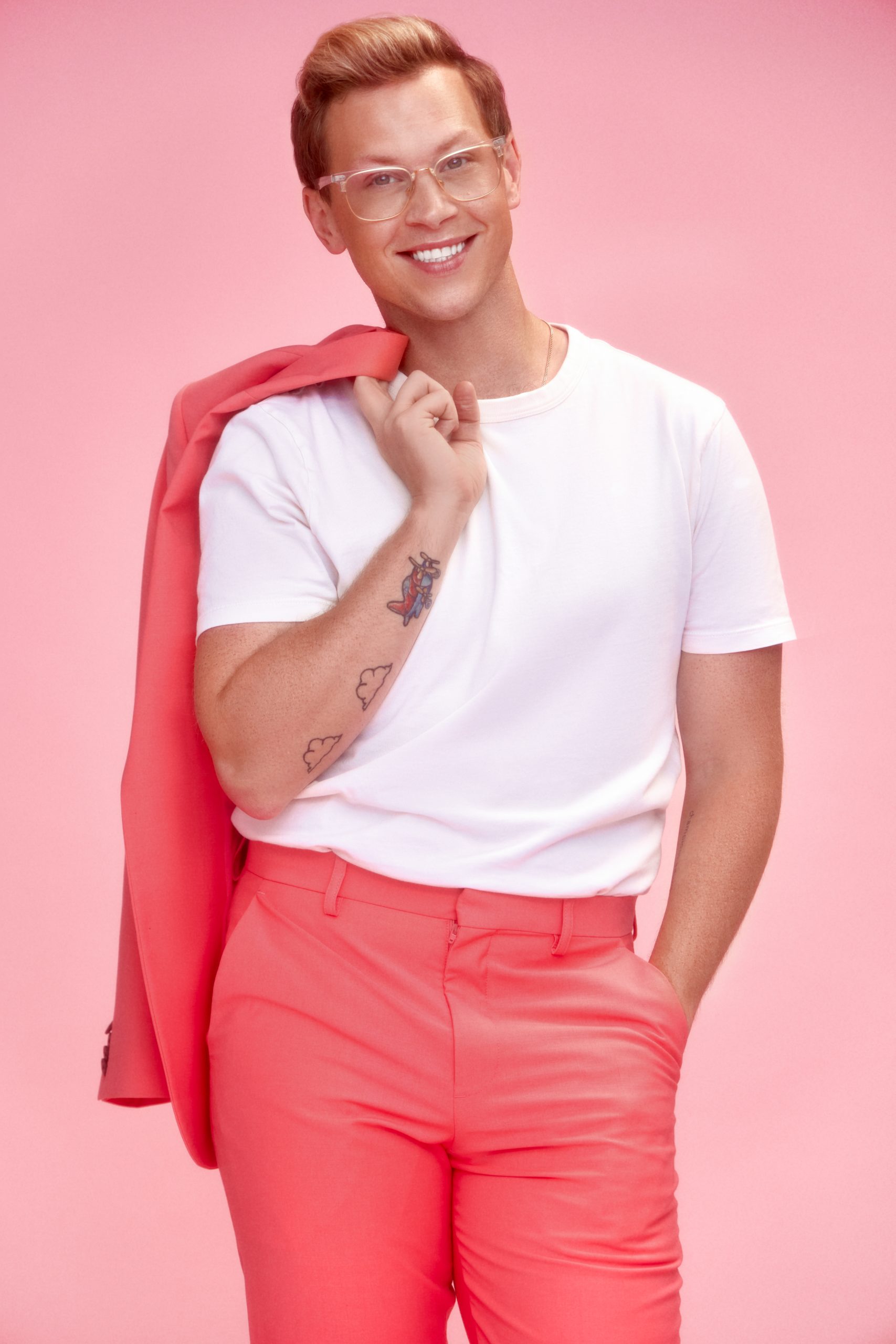
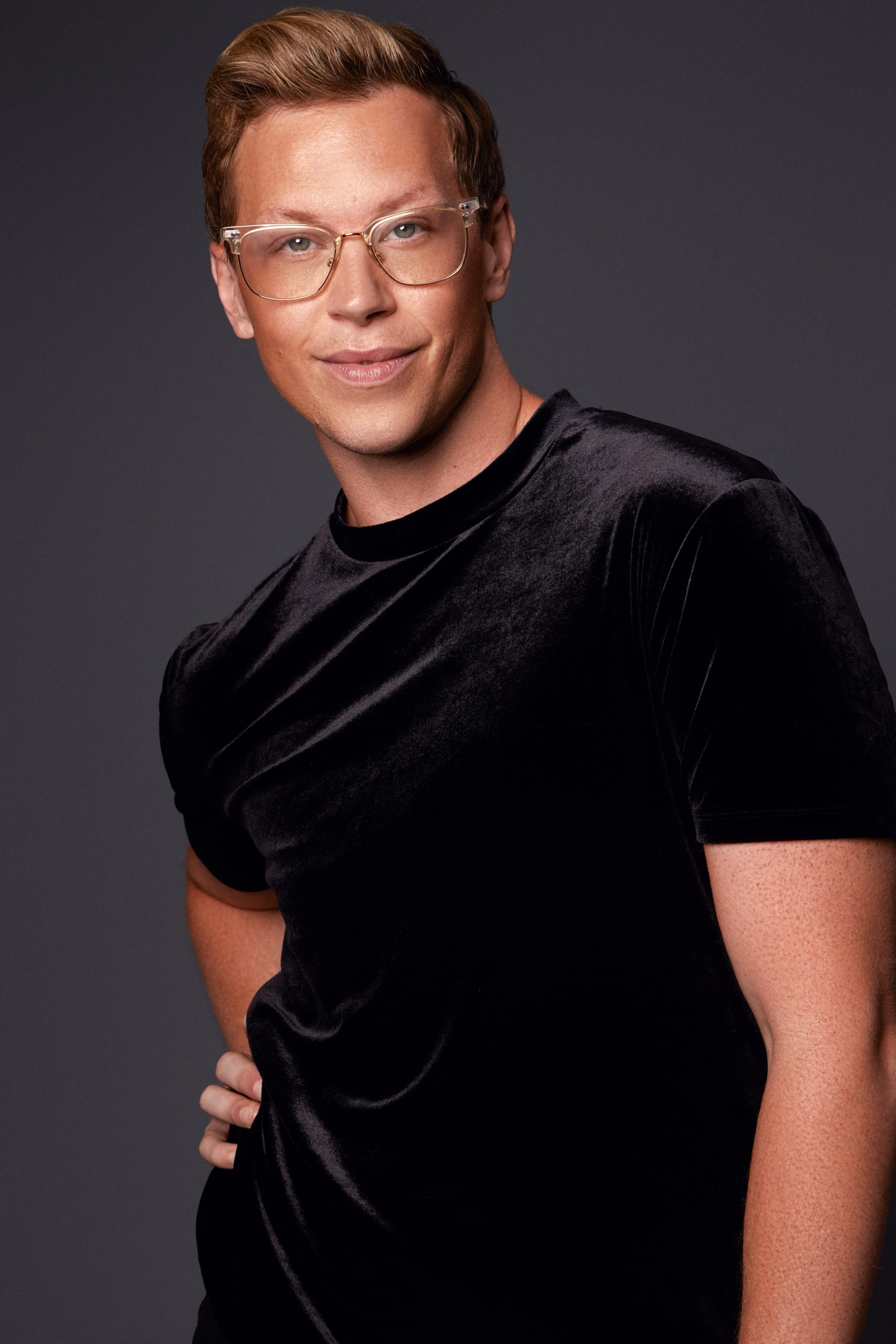
Many of your most powerful stories are not about defending yourself but refusing to watch somebody else be humiliated. Where does that instinct come from, and how do you decide whether someone needs compassion, education, a boundary, or simply to ‘find out’?
That comes from my childhood. I’m from a tiny little town. There weren’t any people that acted, looked, or loved like me. I definitely wasn’t popular. I had the theatre girls on my side, but beyond that I found myself lonely, and always wishing somebody was there to stand up for me.
It happened on occasion, but not every day, because it’s scary to put yourself in the middle of a confrontation. I think desperately looking around, wishing somebody would have protected me or stood up for me, is probably the reason I am the way I am.
There are always levels. Sometimes there’s real danger, so walk away. If somebody says a derogatory, bigoted, racist, or homophobic slur at somebody, obviously hold the mirror up. That’s where my sharp tongue comes in.
But there are other days when somebody is just slightly rude, and you can step in and interrupt what is happening, but they might be having a horrible day. You don’t have to go for the jugular in every single instance. It’s about reacting to the situation that’s going on.
Your former babysitter, who you mention in the book, recently contacted you after reading the chapter about how she shamed you for wearing heels. What did it feel like to receive that apology and learn that your videos had helped her to change?
I also had another mega-viral video about my high-school bully reaching out and apologising to me. I talk about that in my live show because there is a lot of discourse in the comment sections of those videos about whether these people deserved the forgiveness that I gave them.
My answer is, in both instances, they seemed genuine, so I’m going to give them that. I also give myself a lot of grace, so I try to offer that to other people. Their apologies to me don’t dictate my value. I’ve got to a place where I have poured so much work and love into myself that I didn’t need their apology to validate me in any way.
It felt good, but I felt more for them than I honestly felt for myself, because the way they treated me is something they have to live with. Many years ago, it might have felt more monumental. Now, honestly, it was like, ‘oh, I appreciate that’.
I felt happy that maybe they are on a journey of their own growth, that they can find more happiness and fulfilment, and expand their worldviews. It was good, but my focus is more on them in this moment, because I’m not sad about it anymore.
A straight father recently told you that following your videos helped him respond with love when his teenage son came out. What does it mean to know your work is making queer children safer in families you will never meet?
I’ve probably got that seven times in the past few years, not just from dads, but from grandmas and moms. It is really, really incredible.
That’s where my work feels important, because when I was a kid, I felt like I needed somebody to reach out and help me, lift me up, and protect me. If I can do that, even though most of my content is made for adults, if I can help even a handful of young kids growing up feeling different not feel so alone, who wouldn’t feel great doing that?
I don’t take any of these messages or interactions – especially when I’m meeting people in person – for granted. It has changed the very fabric of who I am and what I feel like I’m meant to do.
I’m very lucky that social media chose me one day on the algorithm to be successful, because there is a lot of luck involved. Beyond that, I feel really, really grateful.
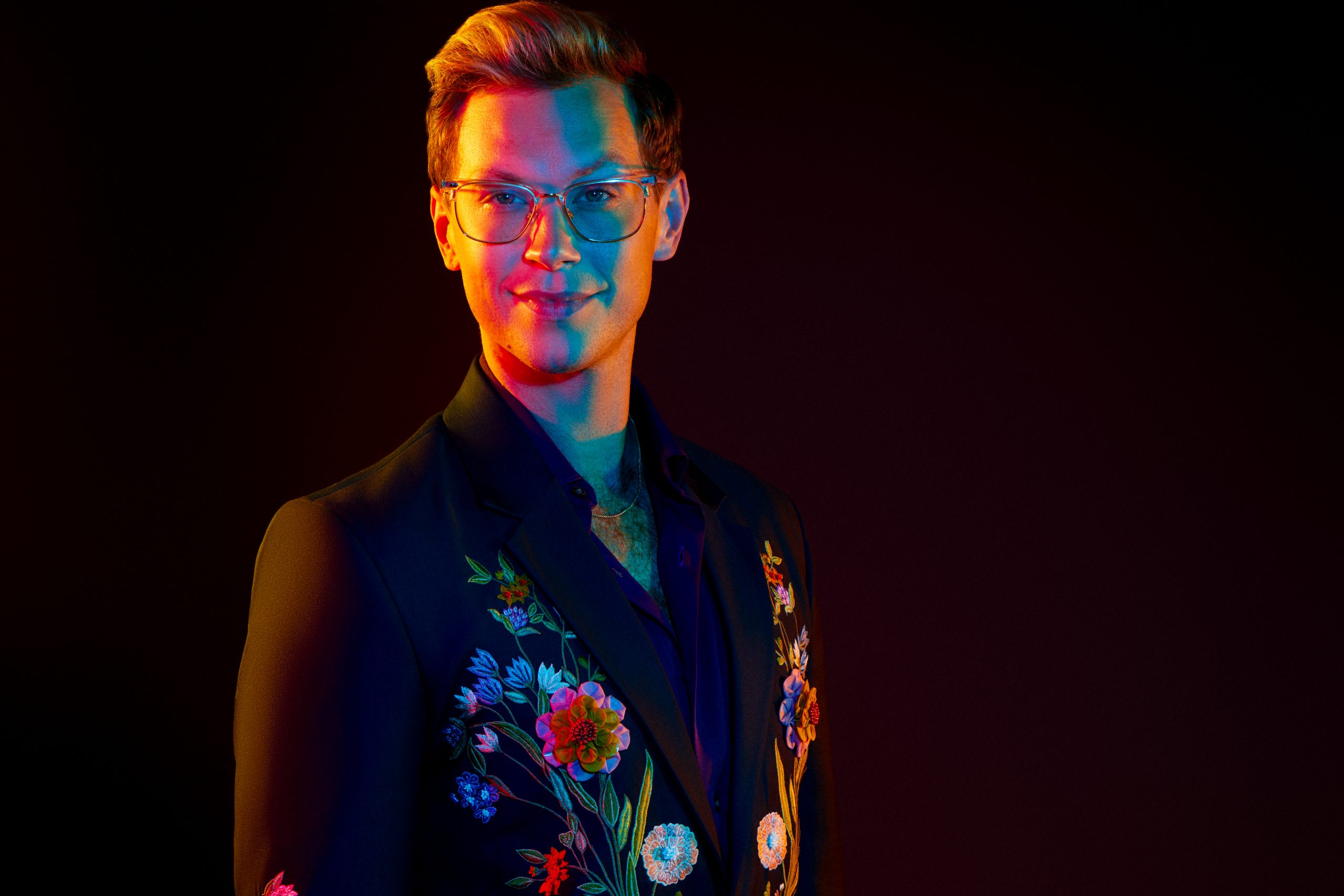
You and your husband Shane recently decided you want to have a child. What shifted and made parenthood feel like the future you wanted together?
My whole life I said no, but it was because I didn’t see how a child could fit into my life. I didn’t even see how a dog could fit into my life.
When I was doing theatre, when I was doing ships and away for eight months at a time, how was that sustainable? I couldn’t get a man to love me for long enough. I didn’t see a world in which that fit.
Then this kept growing. My life is stable. We got married. I love being home. I’m not running away from anything anymore. I’ve learned what it means to not feel like being in place is a sacrifice. Being here is something I genuinely want, love, and cherish.
Success brings stability. Now we find ourselves in a position where we can financially do this. Emotionally, we can do this. We are building something that seems much larger than the two of us, so what are we doing that for?
We kept having the conversations until it was unavoidable that our hearts were telling us this is what we want. We’re going to get started on that process very, very soon.
You have been very clear that you believe you will host your own talk show, and you recently shared footage of yourself recording something in a studio. What are you currently building towards, and is there already another book on the way?
I’m currently working on an audio project with Hay House, my publisher. It is kind of the next step.
It’s a shorter audio-only project that takes the concept of what people keep asking me at these live shows. They say, ‘I understood your method, I understood what you want me to do, but I still feel stuck at the beginning. How do I start?’
We are currently working on that. It’s meant to come out in just a couple of months.
The talk show, I just mean a show in some way. Right now, I’m working to keep making myself a name in the self-help space. Then I’m doing these tours in comedy clubs, and I’m still trying to be silly and sassy on the internet, so that the bulk of the content and the entertainment all come together, and I can get my own show.
When all is said and done, what do you hope every person who has ever called you their bestie feels differently about themselves because of the impact you have had in their life?
I hope, honestly, and I say this every night, that watching my videos, seeing me in a show, and reading my book means they don’t put too much pressure on themselves to have all of their shit together. I don’t think any of us really do. We try our best. I hope that they give themselves a lot more grace along that journey.
Growth means different things to different people. I have a lot of people say they wish they could be like me, or they want to emulate me, and I don’t think that’s the answer. What I hope I’m doing is inspiring people to take my stories and translate those into their own lives. We’re not all alcoholic actors. We’re all very different people.
I hope that people give themselves a lot of love and realise that we are never going to have all the answers. It’s just how we move through this journey we call life.
Be Your Own Bestie by Misha Brown is published by Hay House and is out now!
Find Misha’s links and all his socials via https://linktr.ee/yourbestiemisha
Words by Nick Barr
Photography by Arthur Marroquin