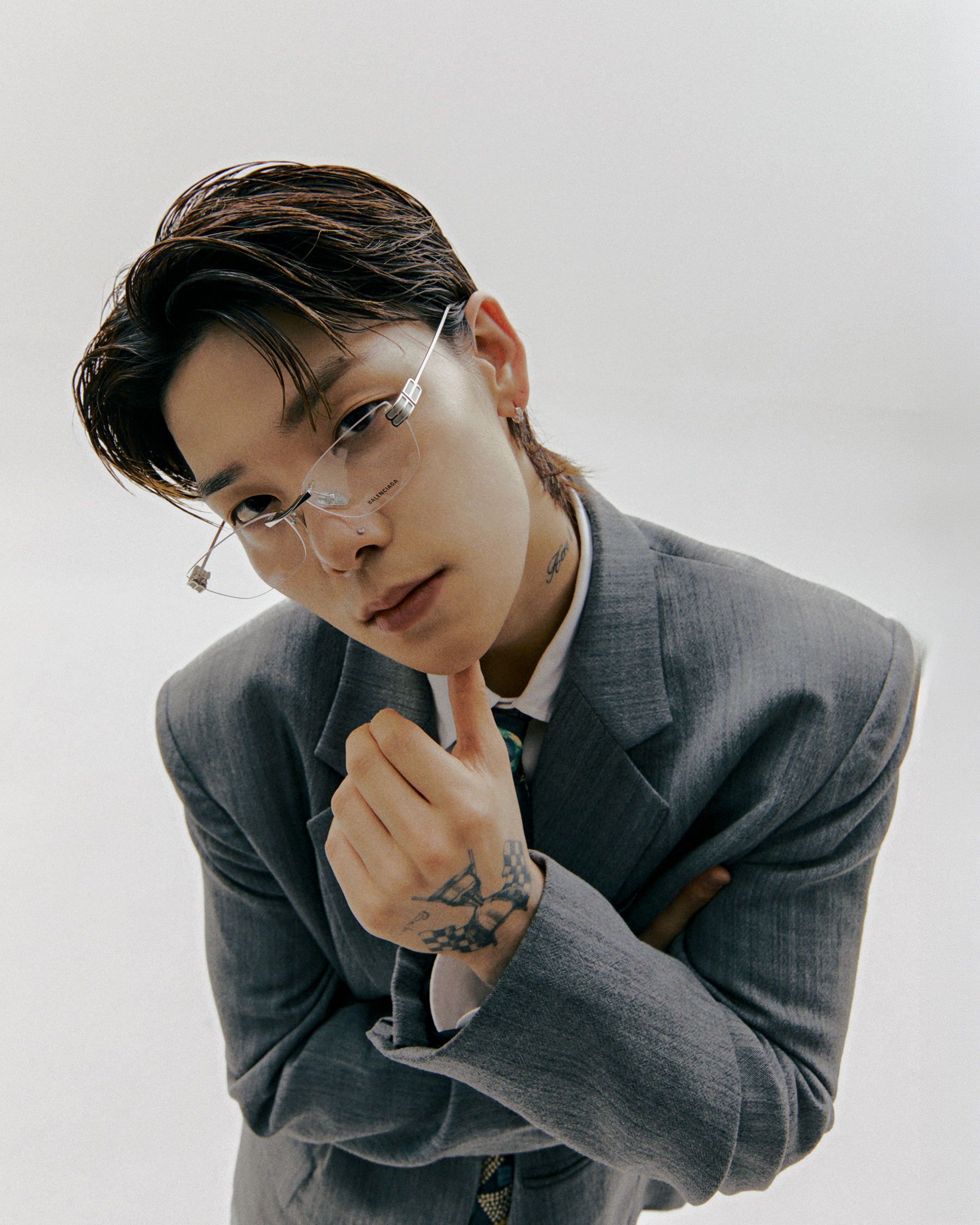
Genre has lost its old meaning in music, digitalisation has blurred every boundary, and ZELO’s recent releases prove that one label simply cannot contain one song. The 29-year-old found his way into Latin pop through his singles “Cola Comigo,” out 31 March 2026, and “ELA,” released 29 July 2026 — a sound he first encountered during his years in the legendary boy group B.A.P.
Leaving the group in 2018 shattered thousands of fans’ hearts, but the split forced him to grow as an artist, and since then he’s thrown himself into every genre he could find, making his solo debut in 2019 with the mini album Distance, a raw showcase of his evolution as a songwriter and an independent force. In 2026, ZELO signed with independent label VLACKSQUAD, a move that launched a new chapter in his quest to expand his artistic identity and reach audiences worldwide, with his Latin pop-charged single “Cola Comigo” marking the first bold strike in that direction.
For any casual K-pop listener, Latin pop has saturated the scene with its high-energy beats, danceable grooves and TikTok-ready hooks, and ZELO’s “ELA” and “Cola Comigo” fit that mould perfectly, especially since he co-wrote both tracks himself. The Mokpo native also revealed that throughout the creative process, he tapped into deeper emotions that fuel his songwriting — proof that the old stereotype of idols as mere agency-manufactured products no longer holds, as a growing number now write and produce their own music, meaning fans get to grow right alongside them.
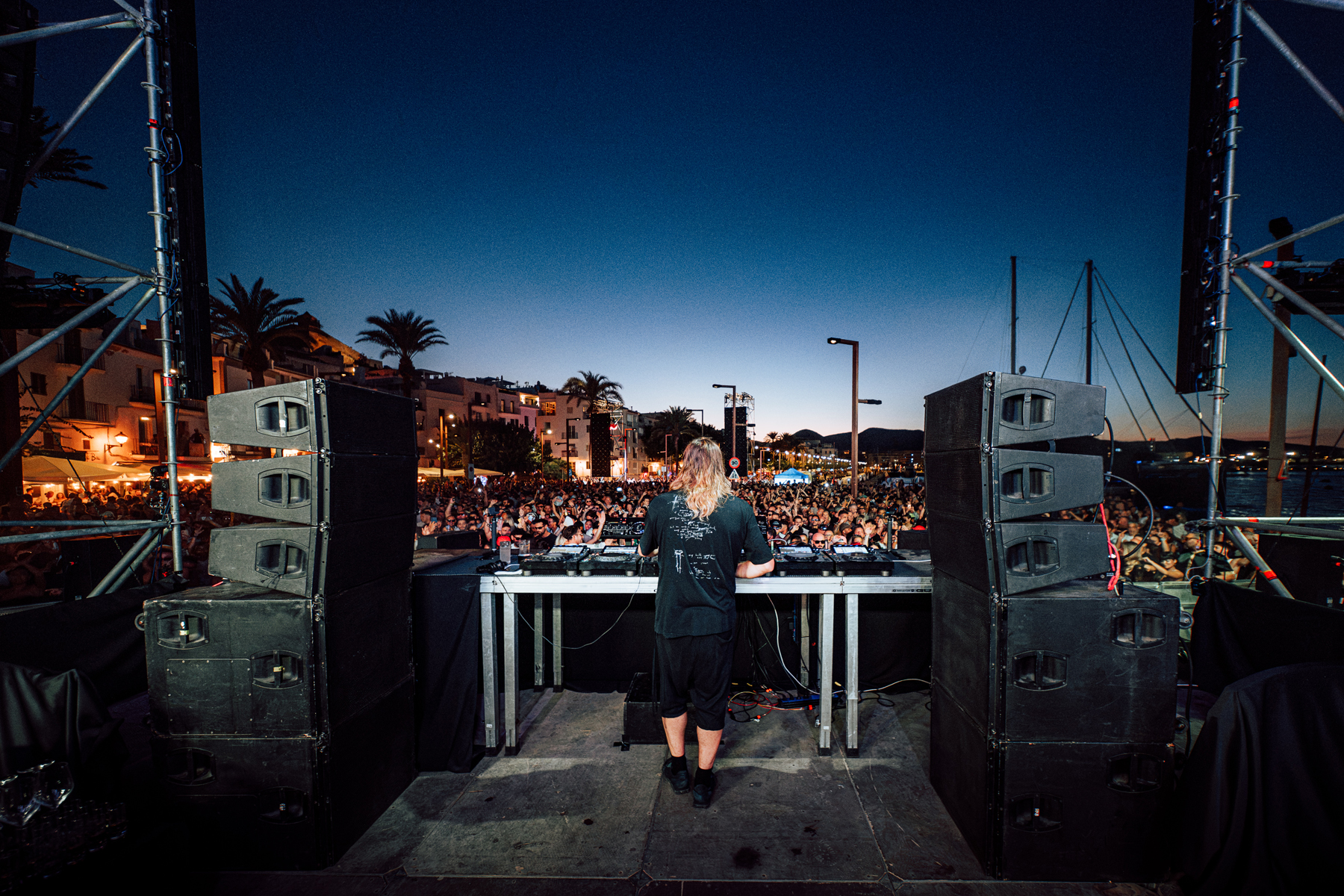
Throughout the casual chat, ZELO opened up about everything from performing at WATERBOMB, one of summer’s biggest music festivals and a career milestone every K-pop idol dreams of, to the personal growth he experiences right in front of his fans.
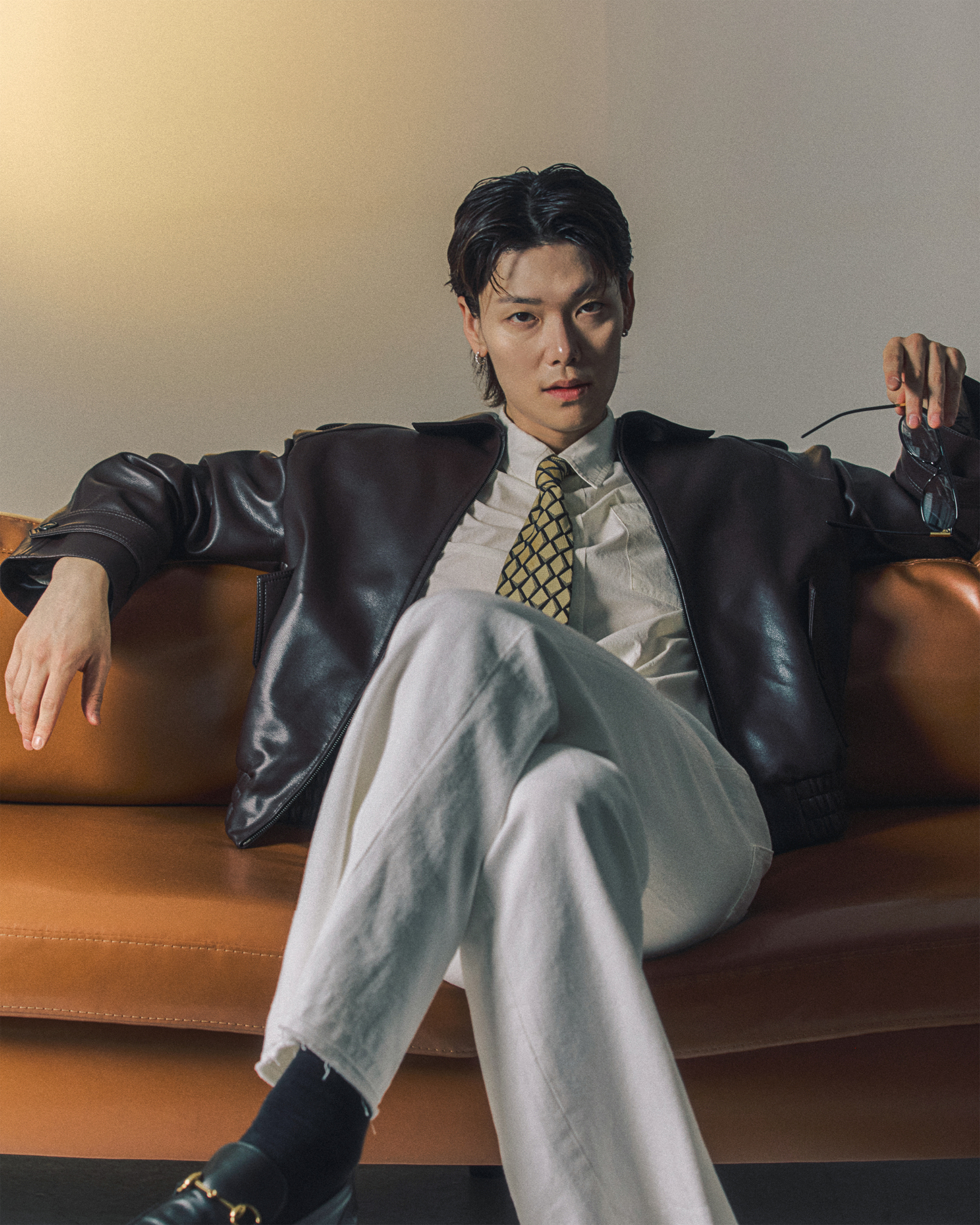
WATERBOMB is beautiful chaos — thousands of people packed tight, summer heat bearing down, water flying everywhere — so what was going through your mind when you dropped “ELA” live for the first time in that madness, knowing no one in the crowd had ever heard it before?
It was a festival, so I felt a flicker of worry at first. People come to those places to cut loose and burn energy, and I wondered if “ELA” might feel too subdued for that kind of chaos. But the moment I stepped on stage, it hit me — music doesn’t need to be loud or frantic to pull something out of a crowd.
It felt special because so many people were seeing me for the first time, and it felt great to introduce myself through a song I truly wanted to make. But of course there was pressure too — the floor was dangerously slippery from all that water, and it had been ages since I’d stood in front of a crowd that didn’t really know me, so I reckon I was more nervous than usual, haha…
Even with that nervousness, it was a moment I won’t forget. The crowd’s energy, the water, the heat — it all came together to create something beautifully chaotic. Looking back, I know choosing “ELA” to introduce this new chapter was the right call.
“Cola Comigo” and now “ELA” both carry that warm, sun-soaked feel — so what drew you to Latin pop specifically, and was there a particular moment or song that sparked that shift?
I think I was naturally drawn to the freedom Latin pop carries. It’s music you feel in your bones, music that pulls you to move, and I wanted to capture that same energy with both “Cola Comigo” and “ELA” — a sound that feels bright, wild and natural, but still carries real emotion beneath the surface.
I first got into Latin pop back in high school, during a B.A.P world tour stop in South America. There was this one song that just hit me, and from there it stuck. It wasn’t some massive lightbulb moment, more like finding a sound that clicked with how I felt.
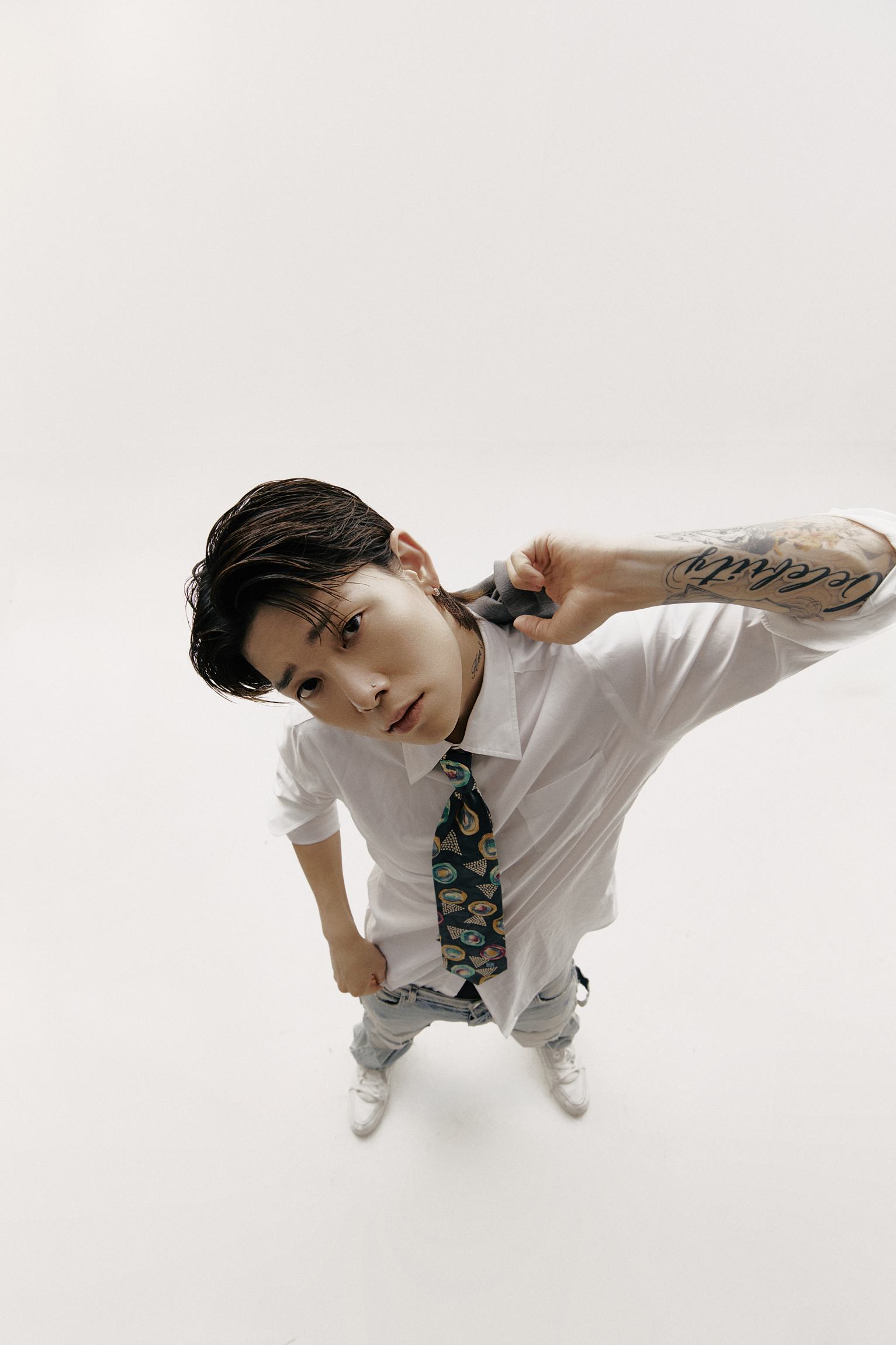
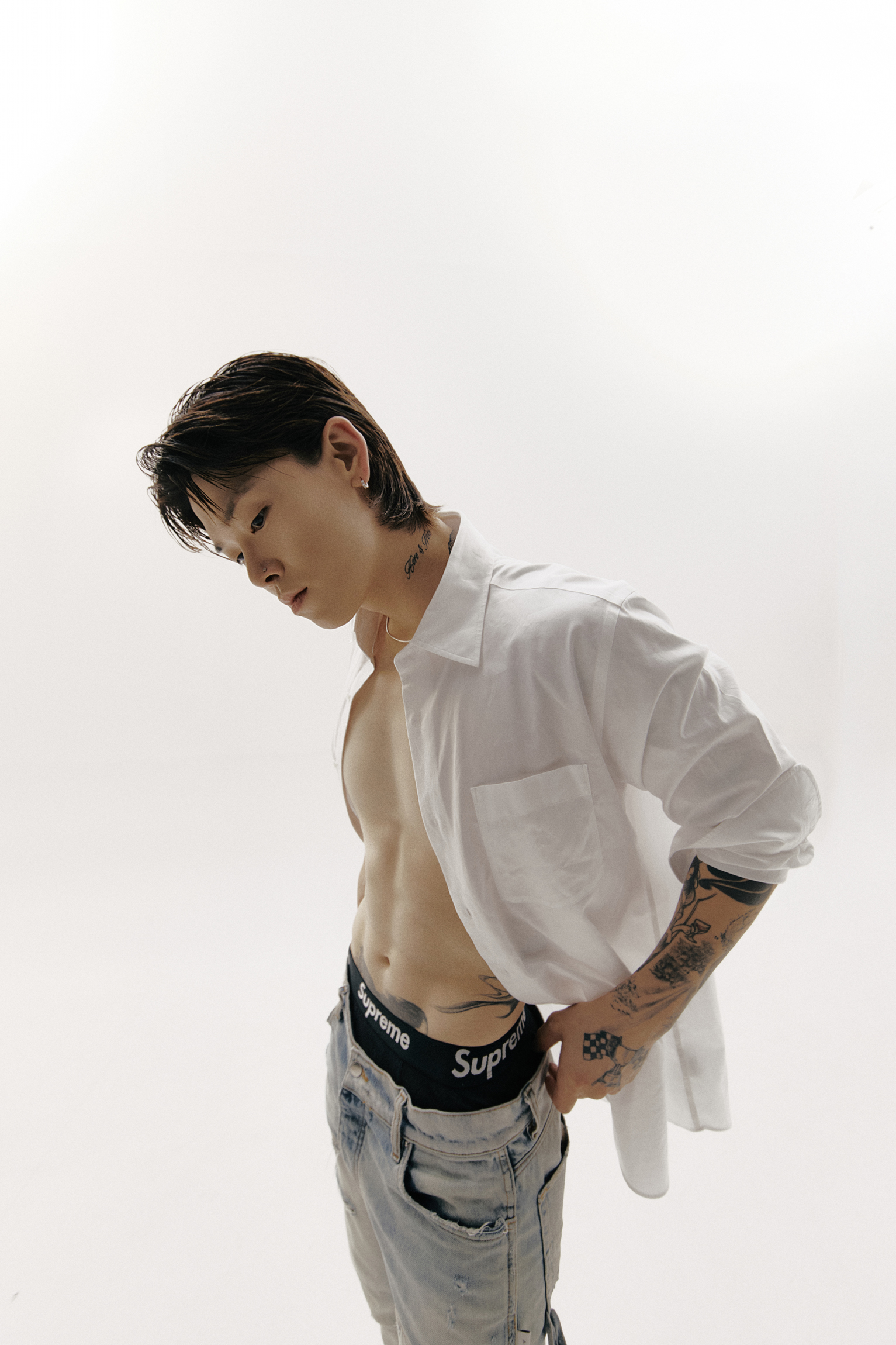
You’ve been an artist since your teens, so what does “starting a new chapter” actually feel like on the inside, and how does that differ from what fans see on the outside — the new single, the fresh photoshoot, the polished interviews?
From the outside, a new chapter looks exciting and clean, but on the inside it feels far messier. There’s excitement, sure, but it also forces me to keep asking myself, “Who am I right now?” and “What story do I actually want to tell?” I’ve been in the public eye since my teens, so my entire growth has played out in front of everyone. Trends in Korea shift fast, and every generation brings its own current. But this chapter feels different — it’s not about becoming what people expect, rather about rediscovering who I actually am as an artist.
What is something about your artistic identity now that your teenage self wouldn’t have stood a chance of reaching, no matter how hard he tried back then?
Back then, I was always performing and pushing out music, but part of me was also wondering if I was just squeezing myself into the shape people wanted. I was still figuring out who I even was, and all those voices around me bled into how I saw myself as an artist too.
Now I understand my emotions and musical instincts far better, and I no longer feel the need to prove I belong in any particular box. I just make music that honestly reflects how I feel, and that kind of freedom, I think, only comes with time and experience.
Solo work means every decision lands on your shoulders — so what’s been the toughest creative call you’ve had to make on this project so far?
The hardest bit has actually been figuring out what to leave out. When you’ve got loads of ideas, you just keep piling more on, terrified something might be missing. But sometimes pulling back and letting the song breathe on its own takes a lot more guts and nerve. With “ELA,” I wanted the emotions to feel natural, so I had to let go of some bits I genuinely liked. Stepping back from your own ideas is never easy — it forces you to be honest with yourself. And that honesty, that’s what growth as an artist looks like to me.
When you’re not on stage, what does an ordinary day look like for you these days?
These days, an ordinary day is simple. Coffee to wake me up, the boxing gym to keep me grounded, a few ideas if they decide to show up, and quiet time alone just to breathe. Some days I blink and lose hours in a café. Then there are days when I do nothing productive, and I think those quiet, empty days matter just as much. Not every day needs to turn into a story worth telling.
Is there a side of ZELO the public hasn’t seen yet, and what would you want them to know about that version of you?
I definitely think there is. I’ve put plenty of versions of myself out there over the years, but there are still corners of me I haven’t properly shown — whether that’s the louder, chattier side or the one that just shuts up and sits still.
I’m more introverted than people probably expect, the type to overthink small things for hours, and I’m also pretty impressionable, easily shaped by whoever I’m around, so my energy shifts depending on the room. On stage, I bring the fire, but behind that, I hope people know there’s this bloke who’s always watching, always thinking, and always trying to figure himself out.
You’ve performed for thousands and also, presumably, sung alone in an empty room with no one listening — so which of those versions actually feels more like the real you?
I think it’s hard to pick just one. On stage, I still express my true self, but when I’m alone in a room, I can look at myself with no filters. Both are honest versions, just in different ways. If performing is about sharing who I am with others, then singing alone is about discovering who I am when no one’s watching. I think I need both sides to feel balanced.
What does “home” even mean to you now — is it a place, a sound, a person, or something you can’t quite name?
For me right now, home feels more like a feeling than a place. Sure, there are physical spaces that give me that comfort, but in the end, home is anywhere I can just exist without having to perform a version of myself. That feeling could come from a person, a familiar sound, or just a quiet moment after a long day. Wherever I am, I always practise how to create that sense of home for myself, and I learn to carry it wherever I go.
“Ela” is out now, follow via @byzelo
Interview Belinda Yohana