
Not long ago, finding your favourite perfume brand was often the end of the search. You discovered a fragrance you loved, bought another from the same house, and before long, most of your collection came from a handful of familiar names.
There’s still something appealing about that kind of loyalty. But spend a little time around fragrance enthusiasts today, and you’ll notice how much things have changed.
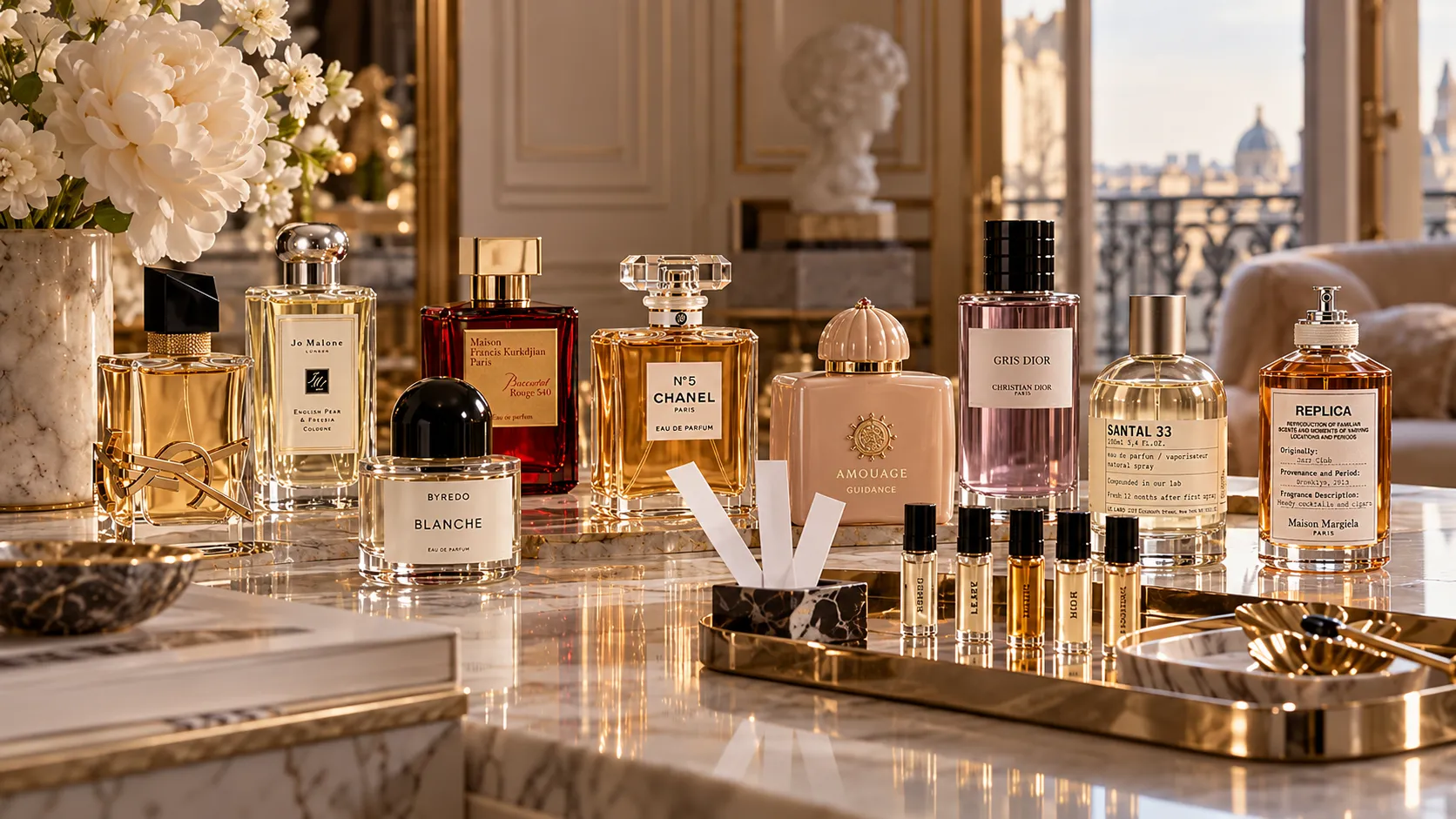
Open someone’s perfume cabinet and you might find a classic French designer fragrance sitting alongside an independent niche creation, a Middle Eastern release and an affordable bottle they discovered through a YouTube review.
These perfumes might have very little in common, apart from the fact that their owner genuinely enjoys wearing them.
For many collectors, that’s becoming the real attraction. Rather than sticking with one brand, they’re exploring different styles, discovering unfamiliar perfume houses and becoming more interested in what a fragrance offers than the name printed on its bottle.
The Traditional Fragrance Hierarchy Is Losing Its Influence
For years, the perfume industry operated within fairly familiar boundaries.
Designer fragrances were associated with major fashion houses and mainstream appeal. Niche perfumery occupied a smaller, often more expensive corner of the market, where creativity and individuality were central selling points. Middle Eastern perfumes, despite their long history and distinctive traditions, were historically less visible to many Western shoppers.
Those divisions haven’t disappeared, but they’re not nearly as clear-cut as they once were.
Designer brands now release exclusive collections with prices to rival niche houses. Independent perfumers can reach international customers without relying on department stores. Meanwhile, Middle Eastern fragrance brands have attracted audiences well beyond their home markets, offering everything from traditional oud-based perfumes to modern vanilla, amber and gourmand compositions.
It’s become much harder to judge a fragrance simply by the category it belongs to.
A collector might enjoy a polished designer scent for work, reach for something experimental at the weekend and discover an inexpensive Middle Eastern perfume that becomes a personal favourite.
There’s no contradiction in any of that. Good perfume doesn’t have to come from one particular part of the industry.
The Pleasure of Discovering Something Unexpected
Owning a beautiful perfume bottle has always been part of the appeal of fragrance. The packaging, presentation and history behind a luxury house can make the purchase feel special.
But there’s another kind of satisfaction that collectors know well: finding a perfume you weren’t expecting to love.
Maybe it’s a fragrance from a brand you’ve never encountered. Perhaps it’s built around a note you normally avoid, yet somehow the combination works. Sometimes a relatively inexpensive discovery ends up getting more attention than the most expensive bottle on your shelf.
Experiences like these are what encourage enthusiasts to look beyond familiar names and seek out designer, niche and Middle Eastern fragrances
They also change how we think about luxury.
A prestigious label might make a fragrance desirable before you’ve even smelled it, but that doesn’t guarantee a memorable experience once it’s on your skin.
And occasionally, the perfume that impresses you most is the one you almost overlooked.
Social Media Has Changed How We Find Perfumes
There was a time when discovering a new fragrance usually involved visiting a department store, browsing a catalogue or noticing an advertising campaign.
Naturally, that gave established brands a considerable advantage. If a perfume wasn’t stocked locally or supported by a large marketing budget, there was a good chance you’d never hear about it.
Today, a fragrance can attract attention without following that traditional route.
YouTube reviewers, TikTok creators, Instagram accounts, Reddit communities and dedicated fragrance forums have introduced enthusiasts to thousands of perfumes they might otherwise have missed.
An independent perfume house can appear in the same video as a major luxury brand. A fragrance released years ago can suddenly become popular again. Middle Eastern brands can build international followings through recommendations and word of mouth rather than expensive retail campaigns.
For Australian perfume lovers, this shift has been particularly useful.
Many niche and Middle Eastern fragrances still aren’t easy to find in physical stores across Australia, especially outside major cities. Online communities and specialist retailers have helped bridge that gap, giving people access to brands and scent styles that local shopping centres may not carry.
You no longer need a fragrance counter nearby to hear about an interesting new release.
Of course, discovering a perfume online and knowing whether you’ll actually enjoy wearing it are two different things.
Collectors Are Paying More Attention to What’s Inside the Bottle
Ask a casual perfume shopper why they chose a particular fragrance, and the answer might be as simple as liking the brand or recognising the bottle.
Speak to someone who’s spent time exploring fragrances, though, and the conversation often goes much further.
They might want to know who created the perfume, which accords stand out, how the opening develops or whether the base notes become more noticeable after a few hours.
Performance is another frequent topic. How long does the fragrance last? Does it project strongly, or is it something that stays close to the skin? Does it change noticeably throughout the day?
These aren’t questions reserved for professional perfumers anymore.
Terms such as longevity, projection, dry-down and concentration regularly appear in online reviews and everyday discussions between fragrance enthusiasts.
That growing interest in the actual scent gives lesser-known houses a better opportunity to compete for attention.
A brand doesn’t necessarily need decades of heritage or a famous fashion label behind it to develop a loyal following. If people enjoy the fragrance, talk about it and recommend it to others, the perfume can earn recognition on its own merits.
Why Blind Buying Doesn’t Always Live Up to the Hype
One of the strange things about buying perfume online is how much information you can find without ever knowing what the fragrance actually smells like.
You can read the entire note breakdown, watch several reviews, compare performance ratings and look through dozens of photographs.
By the time you’ve finished researching, you might feel as though you already know the perfume.
Then it arrives, you spray it for the first time, and it’s nothing like you expected.
Anyone who’s bought fragrances without testing them knows that disappointment.
A perfume described as warm, creamy and comforting might smell far too sweet to your nose. A popular oud fragrance could be fascinating to an experienced collector but overwhelming to someone trying oud for the first time.
Even when reviews are accurate, scent is personal. Our memories, preferences, surroundings and skin can all influence how we experience a fragrance.
That’s one reason perfume samples and decants are such a practical option for people who like exploring unfamiliar scents.
Instead of paying for a full bottle based entirely on descriptions, you can try a smaller quantity first. Wear it to work, test it on a warmer day or see how it develops over an entire evening.
You may discover that the opening you initially loved becomes less appealing after a few hours. Or a fragrance that seemed unremarkable at first might reveal a beautiful dry-down.
Neither experience is something a note pyramid can fully predict.
Sampling Makes Fragrance Purchases More Thoughtful
Sampling is often discussed as a money-saving strategy, and understandably so. Full-size bottles can be expensive, especially when you’re curious about several fragrances at once.
But saving money isn’t the only benefit.
Trying a perfume before buying it gives you time to decide whether the excitement of discovering something new will turn into genuine enjoyment.
It’s easy to be impressed by a fragrance during a quick test. Living with it for an entire day is different.
You might realise that something you loved initially becomes too heavy after several hours. You might also discover that a quieter fragrance suits your everyday routine far better than the bold, attention-grabbing scent you originally planned to purchase.
That extra time can change your buying decisions.
And when you eventually decide to invest in a full bottle, there’s a different kind of satisfaction in knowing you’ve already worn it, enjoyed it and genuinely want it in your collection.
You’re no longer buying a fragrance based on what you hope it will smell like.
You know what you’re getting.
Do You Really Need One Signature Scent?
The idea of having a signature scent still appeals to plenty of people.
There’s something nice about wearing a particular perfume so consistently that friends or family begin to associate it with you.
But for collectors who enjoy variety, choosing just one fragrance can feel unnecessarily limiting.
Think about the clothes in your wardrobe. You probably don’t wear exactly the same outfit to work, dinner, the gym and a special occasion.
Perfume can work much the same way.
A fresh citrus or aquatic fragrance might feel perfect on a hot summer afternoon. Something woody and understated could be ideal for the office. On a cold evening, you might prefer the warmth of amber, vanilla or spices.
Then there are the perfumes you wear simply because you’re in the mood for them, regardless of the weather or occasion.
Some collectors build entire fragrance wardrobes around these differences. Others naturally accumulate bottles that suit different parts of their lives.
Either way, the focus shifts from finding one perfect scent to having several fragrances that each offer something worthwhile.
And when every bottle serves a different purpose, sticking to a single brand becomes far less important.
A Higher Price Doesn’t Always Mean a Better Perfume
One lesson many fragrance enthusiasts learn through experience is that price and personal enjoyment don’t always go together.
An expensive niche perfume might feature unusual ingredients, beautiful packaging and an impressive story. None of that guarantees you’ll enjoy wearing it.
Meanwhile, a much more affordable fragrance might suit your taste so well that you find yourself reaching for it almost every day.
That’s not to dismiss luxury perfumery. Some expensive fragrances offer remarkable compositions and experiences that collectors genuinely value.
But the industry has become too varied to assume that higher prices automatically mean greater enjoyment.
Designer houses offer both everyday fragrances and exclusive collections. Independent brands range from relatively accessible to extraordinarily expensive. Middle Eastern houses have also shown that elaborate presentation and distinctive scent profiles aren’t necessarily limited to traditional luxury price points.
Price can reflect branding, ingredients, production costs, presentation and market positioning.
What it can’t measure is how much a particular person will enjoy the scent.
For someone building a collection, that distinction is worth remembering. A shelf filled with expensive bottles isn’t automatically more interesting than one containing a thoughtful mix of affordable favourites and occasional luxury purchases.
The Best Fragrance Collections Tell a Personal Story
Look closely at an enthusiast’s collection and you’ll often find that each bottle has a story.
There might be the designer fragrance they wore for years, a niche perfume they spent weeks researching or a Middle Eastern scent they bought out of curiosity and ended up loving.
Some purchases will have been carefully planned. Others might have been spontaneous discoveries. There may even be bottles that rarely get worn but still remind their owner of a particular time or place.
Not every purchase will be a success, either. Discovering what you don’t enjoy is part of developing your taste.
Over time, those experiences shape a collection that reflects the person wearing the fragrances rather than a particular brand’s catalogue.
Brand loyalty still has value, of course. Finding a perfume house whose style consistently appeals to you is a good reason to keep exploring its releases.
But enjoying one house doesn’t mean ignoring everything else.
There’s room for designer classics, unusual niche compositions, Middle Eastern discoveries and affordable everyday favourites on the same shelf.
And perhaps that’s what makes fragrance collecting so enjoyable today. You don’t have to choose between heritage and experimentation, or between luxury and value.
You can simply follow your nose, discover what you love and let your collection grow from there.



